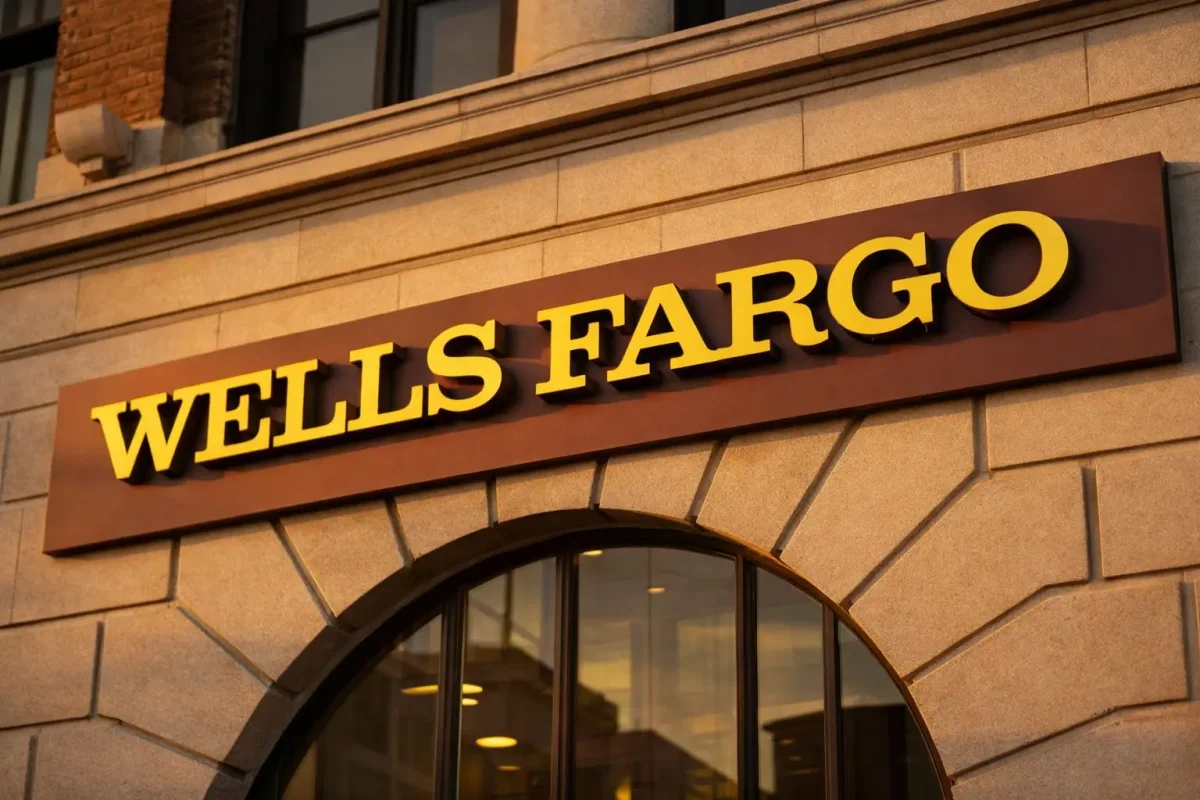
U.S. bank stocks faced a sharp selloff to close the week, with Wells Fargo & Co. at the epicenter of a sudden risk-off move triggered by a credit event overseas and persistent inflation worries. The selloff underscores mounting investor anxiety over bank exposure to potential loan losses and the timing of Federal Reserve interest rate cuts.
UK Lender Collapse Sparks Contagion Fears
Shares of Wells Fargo plunged 5.62% on Friday, February 28, 2026, closing at $81.45. The decline significantly underperformed its major peers, with Bank of America sliding 4.72% and JPMorgan Chase falling 1.90%. The catalyst was the collapse of London-based mortgage lender Market Financial Solutions (MFS), which had borrowed over £2 billion (approximately $2.69 billion). Court filings related to the insolvency named Wells Fargo among the firm's creditors, immediately raising questions about the scale and nature of the bank's exposure.
The court documents also sounded an alarm over potential "double pledging" of collateral—a practice where identical assets are used to secure multiple loans. The filings pointed to a potential shortfall of up to £930 million. "We're starting to continue to see these types of things pop up, which is definitely a problem," noted Joe Saluzzi, co-head of equity trading at Themis Trading. While analysts at Citigroup pointed out that syndicating a loan is not equivalent to holding the full risk on a bank's balance sheet, the news was enough to spook the market.
Broad-Based Banking Pressure
The fallout was not isolated to Wells Fargo. The KBW Nasdaq Bank Index slumped almost 5% on the day, marking its steepest single-day decline since April of the previous year. The selloff reflected a confluence of credit concerns and broader macroeconomic unease, with investors also weighing the implications of artificial intelligence on future job markets and economic growth.
The S&P 500 finished the session down 0.43%, but the financial sector bore the brunt of the selling pressure. With U.S. markets closed for the weekend, traders are left to ponder whether Friday's action represents a contained, one-off credit shock or the beginning of broader fallout in the private credit and commercial real estate lending spaces. This distinction is critical, as bank stocks are highly sensitive to shifts in investor perception of loan book quality.
Inflation Data Dampens Rate Cut Hopes
Compounding the sector's woes, new inflation data offered no relief for those hoping for imminent monetary policy easing. The U.S. Producer Price Index (PPI), which tracks wholesale inflation, climbed 0.5% in January. The core PPI, which excludes food and energy, posted an even sharper increase of 0.8%. These readings reinforced the view that Federal Reserve officials are likely to hold off on interest rate cuts at least until their June 16-17 policy meeting.
"Given still-buoyant core inflation and the recent firming of job gains, we expect the Fed to remain on pause during its upcoming March meeting," said Ben Ayers, senior economist at Nationwide. Investors are now awaiting the delayed release of the January Personal Consumption Expenditures (PCE) price index—the Fed's preferred inflation gauge—slated for March 13.
Treasury Rally Squeezes Bank Margins
Despite the hotter-than-expected wholesale inflation print, buyers moved heavily into U.S. Treasuries on Friday, sending the yield on the benchmark 10-year note down to roughly 3.97%. This counterintuitive move may reflect growing market caution over economic growth prospects. However, lower long-term yields typically pressure lenders' net interest margins—the crucial difference between the interest income generated from loans and the amount of interest paid out to depositors. This dynamic added another layer of pressure to bank stock valuations during the session.
Path Forward for Wells Fargo and Peers
The immediate storm over MFS may subside if affected banks can quickly demonstrate that their exposure is limited, adequately hedged, or already written down. Conversely, if the MFS case sets a precedent and sparks a wave of similar collateral disputes or reveals deeper cracks in the private credit market, banks and investors may be forced to fundamentally reassess what truly constitutes a "secured" loan.
Wells Fargo has scheduled the release of its first-quarter 2026 results for April 14. In the interim, the stock's trajectory will likely hinge on two factors: fresh information clarifying the bank's exposure to the MFS collapse and related credit risks, and whether Friday's dramatic selloff proves to be a temporary blip or the start of a more sustained downturn for financial shares. The coming sessions will test investor confidence in the sector's resilience amid evolving credit and interest rate challenges.