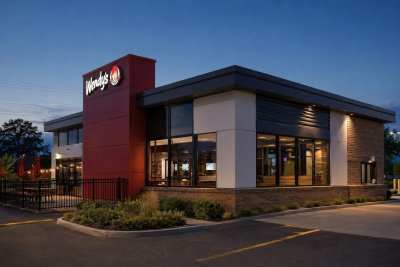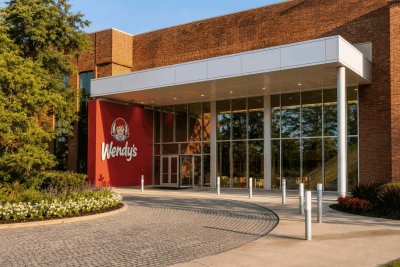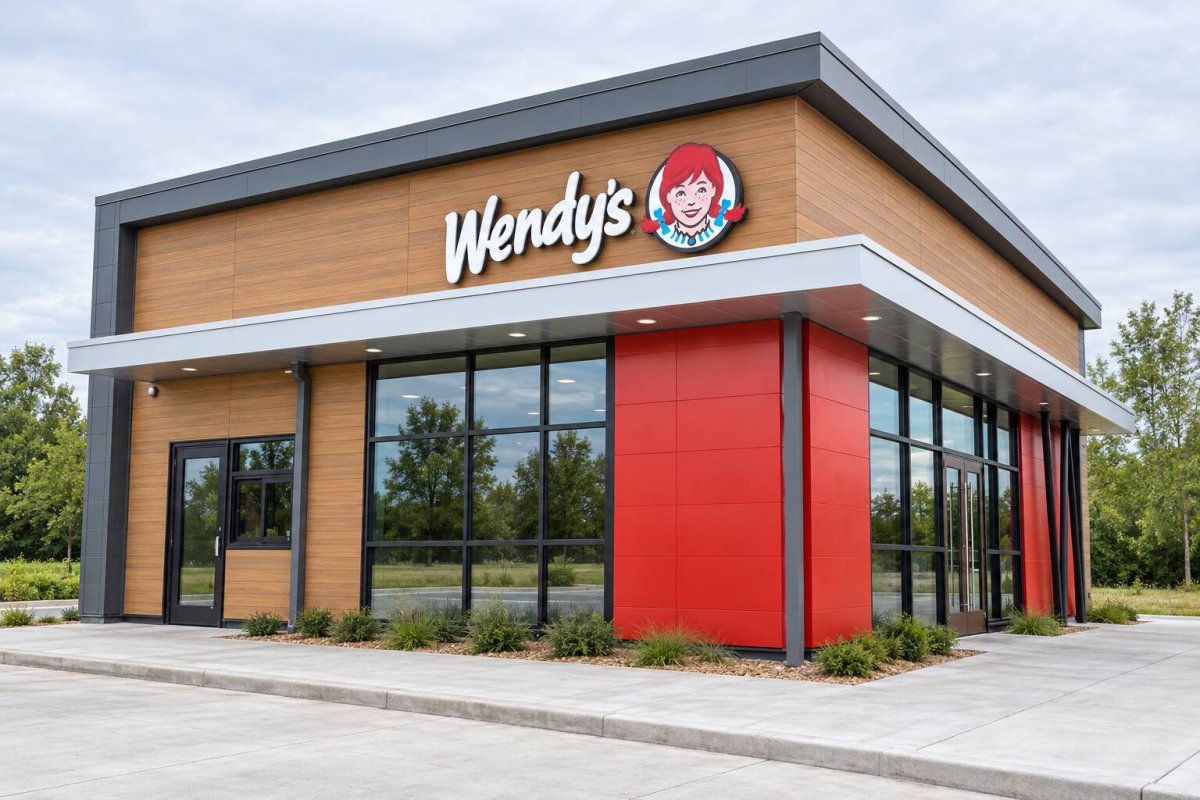
Wendy's shares tumbled 3.6% on Friday after Meritage Hospitality Group, the operator of 314 Wendy's restaurants, filed for Chapter 11 bankruptcy protection. The move, while isolated to the franchisee and not the parent company, has sparked concerns among investors about the health of Wendy's broader franchise network.
Meritage's Bankruptcy Filing
Meritage Hospitality Group, based in Grand Rapids, Michigan, filed voluntary Chapter 11 petitions on Thursday in the U.S. Bankruptcy Court for the Western District of Michigan. The company operates 314 Wendy's locations, representing about 5.5% of Wendy's 5,724 U.S. restaurants as of the end of the second quarter. Meritage also owns one Bojangles restaurant and five independent concepts across 15 states.
The franchisee stated that it expects its restaurants to continue operating and its approximately 9,000 employees to keep receiving wages and benefits, subject to court approval. A reorganization or sale to a stronger operator could preserve much of the royalty stream that Wendy's relies on.
Market Reaction
Wendy's stock closed at $6.74 on Friday, down 25 cents, or 3.58%, after touching an intraday low of $6.60. Trading volume surged to 16.05 million shares, more than three times Thursday's 5.06 million, according to S&P Global Market Intelligence data. The broader S&P 500 gained 0.2% on the day, making Wendy's decline stand out.
The stock has now lost 11.7% since its September 11 close of $7.63. At Friday's close, the company's annualized dividend of 28 cents per share implies a yield of about 4.2%, though Wendy's already cut its quarterly payment to seven cents in August to preserve cash for its turnaround efforts.
Financial Exposure and Creditor Claims
The direct financial exposure for Wendy's is smaller than the headline suggests. Meritage's operating debts do not automatically transfer to Wendy's balance sheet because the restaurants are not corporate-owned. However, the connection runs through franchise fees, royalties, and the continued use of the brand.
Court documents show that Quality Is Our Recipe LLC, Wendy's U.S. franchising subsidiary, is the largest unsecured creditor in the case, with a $24.9 million deferred-fee claim. This is a gross claim, not a forecast loss—its recovery depends on the court process. If Meritage successfully reorganizes or sells the restaurants to a financially stronger operator, much of the royalty stream could be preserved.
Wendy's Struggling U.S. Economics
Wendy's entered this situation with weak U.S. restaurant economics already visible. In the quarter ended June 28, U.S. same-restaurant sales fell 7.0%, and U.S. systemwide sales dropped 8.2%. The company also reported a net decline of 81 U.S. restaurants during the quarter.
Adjusted EBITDA fell 15.4% to $124.1 million, and company-operated restaurant margin contracted by 2.4 percentage points to 13.8%. Management withdrew its 2026 outlook, citing ongoing uncertainty.
Franchise royalty revenue declined 6.5% to $123.6 million in the second quarter, and the company noted that lower royalties and a higher provision for doubtful accounts weighed on adjusted EBITDA. The franchised model shields Wendy's from many direct operating costs, but it does not protect the company from falling restaurant sales, which directly impact royalty revenue.
What's Next for Wendy's
The bankruptcy case will be the first test of whether Meritage can keep all 314 locations operating, cure deferred obligations, and retain or transfer franchise agreements without disrupting sales. For Wendy's, the broader question is whether U.S. traffic and same-restaurant sales can stabilize before another large operator needs financial relief.
Investors will be watching Wendy's next quarterly filing for signs of improvement in U.S. same-restaurant sales, royalty revenue, franchise-fee collections, and any further provisions for doubtful accounts. If those metrics improve, Meritage may be viewed as an overleveraged exception. However, another decline in sales, more restaurant closures, or a rising credit-loss provision could signal that Friday's 3.6% drop was not just confusion over which company filed, but a repricing of the franchise system's risks.