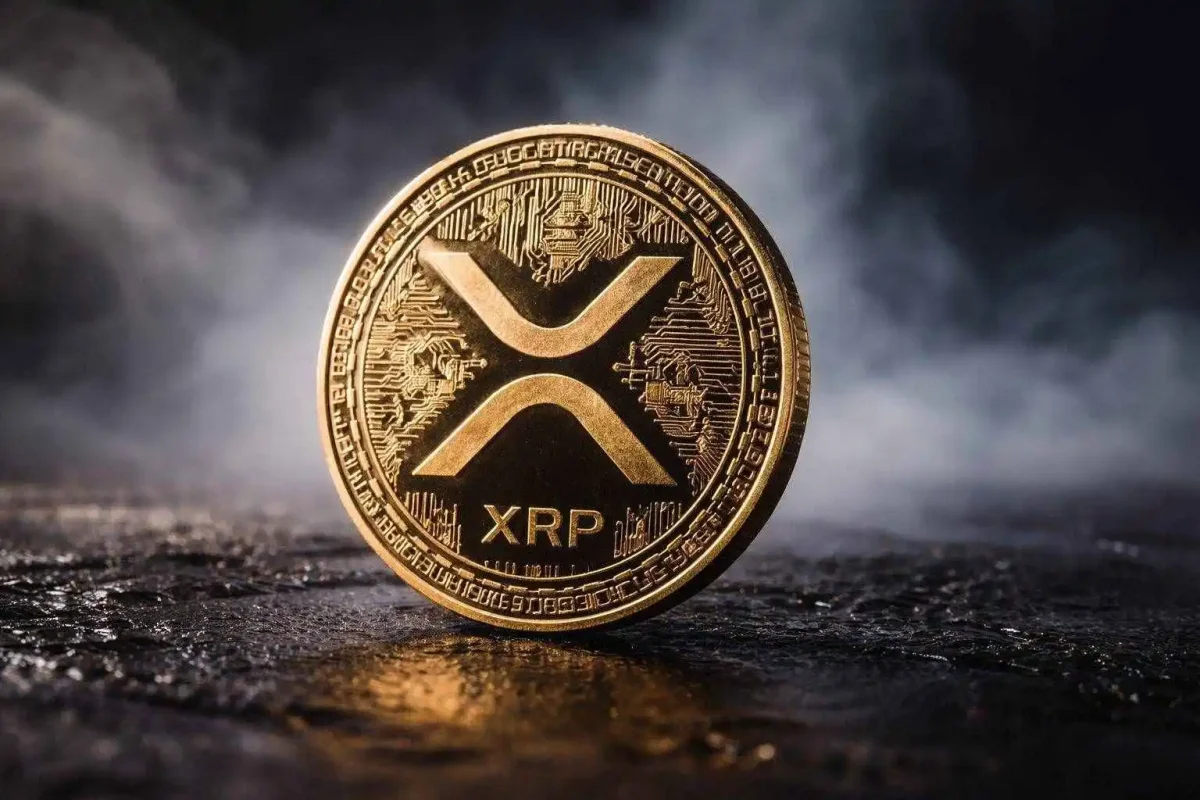
The digital asset XRP traded close to the $1.38 level on Wednesday, March 11, 2026, after retreating from a session high of $1.44. The token's movement reflected a cautious market digesting strategic corporate developments and bracing for significant macroeconomic data.
Strategic Expansion and Regulatory Milestones
Driving part of the narrative was Ripple's announcement of its plan to acquire BC Payments Australia, a move designed to secure an Australian Financial Services License (AFSL). Fiona Murray, Ripple's Managing Director for Asia Pacific, emphasized that licensing is a cornerstone of the company's strategy, labeling Australia as a pivotal market for its cross-border payment solutions. The firm reported that its payments volume in the Asia-Pacific region nearly doubled during 2025, and it now holds more than 75 regulatory licenses globally.
Macroeconomic Headwinds and Market Sentiment
Investor attention is intensely focused on the impending release of the U.S. Consumer Price Index (CPI) report for February. This key inflation gauge is forecast to show a 0.3% monthly increase for the headline figure, with core CPI—which excludes volatile food and energy prices—expected to rise 0.2%. The data holds substantial power to influence expectations for future interest rate decisions and, by extension, risk appetite for assets like cryptocurrencies.
Analysts noted a palpable sense of hesitation among traders. Chris Weston of Pepperstone described market participants as "largely sitting on their hands," while Kristina Clifton, a strategist at Commonwealth Bank, provided a sobering outlook on geopolitical tensions, suggesting the Middle East conflict could persist for "months, not weeks."
Broader Crypto Market Retreat
The pressure was not isolated to XRP. The broader digital asset market experienced a pullback, relinquishing a portion of the gains from Tuesday's relief rally. Bitcoin hovered around $69,548, while ether slipped to approximately $2,019. This collective downturn underscored the market's sensitivity to upcoming economic indicators and geopolitical developments.
Diverging Signals: Network Activity vs. Price
In a notable divergence, on-chain data revealed a significant surge in activity on the XRP Ledger, with transactions jumping to 2.7 million. Despite this increase in network usage, the token's price remained confined to a narrow range, highlighting that heightened on-chain activity has not yet been sufficient to catalyze a decisive price breakout.
Commodity Markets and Risk Appetite
Elsewhere in financial markets, oil prices staged a sharp reversal. Both Brent and U.S. crude benchmarks plummeted over 11% on Tuesday following remarks from former President Donald Trump suggesting the Middle East conflict might conclude soon. This development briefly revived risk appetite across some asset classes.
Fundamental Distinction and Investor Considerations
It is crucial for investors to understand that XRP is a digital token, not a corporate equity. As clarified in a 21Shares filing with the U.S. Securities and Exchange Commission (SEC), holding XRP does not confer ownership rights, a claim to profits, or any income distributions. Ripple highlights the token's utility in facilitating its payments, liquidity, and treasury services. Consequently, the value proposition for XRP is primarily tied to regulatory developments, capital flows, and adoption metrics for its underlying network, rather than traditional corporate earnings.
With the CPI report looming, analysts are monitoring key technical levels, noting potential support for XRP near the $1.34 mark. The market environment remains fragile, susceptible to renewed pressure from any upside surprise in inflation data or a resurgence in oil prices.