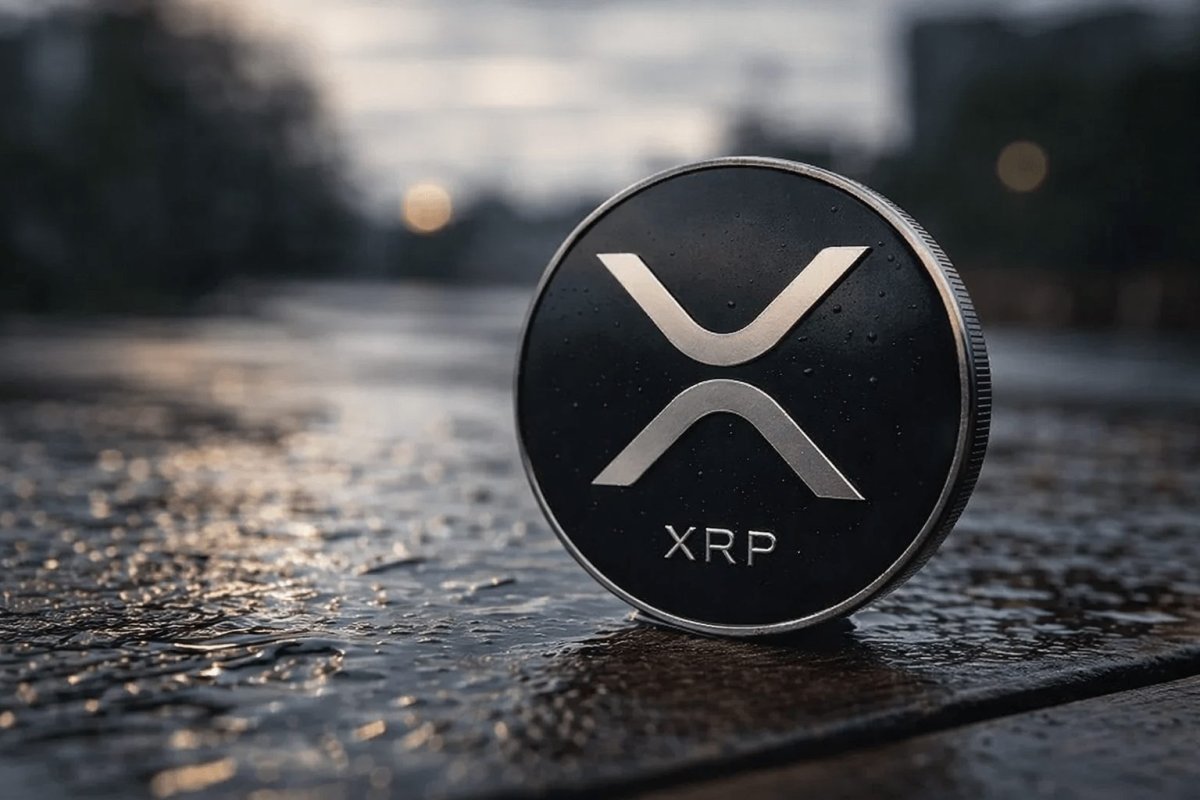
XRP, the digital asset associated with Ripple Labs, experienced a challenging week in the markets, closing Saturday near $1.35. While the token managed a 1.6% gain over the preceding 24 hours, it registered a significant 6.3% decline over the full seven-day period. This performance lagged behind the broader cryptocurrency sector, which saw a more moderate 4.2% drop. XRP's market capitalization stood at approximately $82.5 billion.
Broader Risk Aversion Weighs on Markets
The downturn was not isolated to XRP. A climate of risk aversion gripped financial markets, impacting assets from equities to digital currencies. Bitcoin traded around $66,808, while Ether hovered near $2,019. Analysts pointed to a confluence of factors driving the cautious sentiment, including geopolitical tensions, rising oil prices, and renewed concerns about potential interest rate hikes by the U.S. Federal Reserve. This environment prompted investors to retreat from riskier holdings.
Key Tailwinds Fade for XRP
Compounding the broader market pressures, XRP faced the dissipation of two critical supportive factors. First, the steady inflows into spot XRP exchange-traded funds (ETFs) came to a halt. Data from Thursday showed these investment vehicles recorded zero net flows, indicating a pause in institutional buying interest that had previously provided a floor for the asset's price.
Second, optimism for imminent U.S. regulatory clarity faded. Ripple CEO Brad Garlinghouse stated in a Friday interview that the anticipated Digital Asset Market Clarity Act is likely to miss its end-of-April legislative timetable. While expressing confidence that progress would continue, Garlinghouse acknowledged the process was moving slower than the industry had hoped. This delay extends the period of regulatory uncertainty that has long surrounded crypto assets.
Technical Breakdown and Leverage Build-Up
The week's price action was notably weak for XRP. After peaking at $1.4651 on March 23, the token slumped for four consecutive sessions. A modest recovery attempt on Saturday clawed back only 1.79% of the losses. Crucially, a late-week selloff pushed XRP below the $1.36 level, a key technical support threshold watched closely by traders.
As prices weakened, leverage in the derivatives market appeared to increase. Open interest in XRP futures contracts climbed to $2.65 billion by Friday, up from $2.33 billion at the start of the week. This rise in open interest during a decline can sometimes signal building speculative pressure. Analysts identified subsequent support levels at $1.33 and $1.30, with resistance expected near $1.39 and $1.48.
Investor Sentiment Remains Fragile
Market participants highlighted the fragile state of conviction. "There are very few risk-off assets," noted Rajeev De Mello, chief investment officer at GAMA Asset Management. State Street strategist Marvin Loh observed that an increasing number of investors were adjusting their positions ahead of the weekend, a behavior often interpreted as a lack of confidence in the market's near-term direction.
The shifting tone from Washington regulators is considered a pivotal mood-setter. Regulatory developments have been a key support for the crypto sector through more volatile periods in 2026. On March 17, both the Securities and Exchange Commission (SEC) and the Commodity Futures Trading Commission (CFTC) outlined how existing federal rules apply to digital assets, emphasizing that most tokens are not considered securities. However, analysts like Citi's Alex Saunders warned that the "window of opportunity" for comprehensive legislation—which could spur greater adoption and ETF inflows—is closing rapidly.
XRP's Unique Position and Regulatory History
XRP occupies a distinct niche within the cryptocurrency landscape, largely shaped by Ripple's efforts to position it as a fast, low-cost solution for cross-border payments. Its regulatory journey has been a focal point for the industry. In a landmark 2023 ruling, a U.S. judge determined that sales of XRP on digital asset exchanges did not constitute securities transactions, though the court found Ripple's institutional sales of the token had crossed that line.
This history keeps XRP at the forefront of discussions about expanded ETF offerings. A Reuters report from September indicated that pending adjustments to SEC rules could pave the way for spot ETFs based on cryptocurrencies beyond Bitcoin and Ether, with Solana and XRP frequently mentioned as the leading candidates for such products. The current stagnation in XRP ETF flows underscores the market's wait-and-see approach pending clearer regulatory signals and broader market stability.