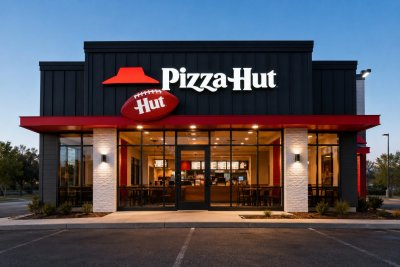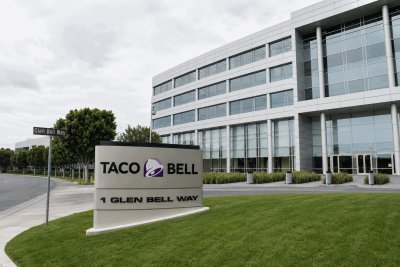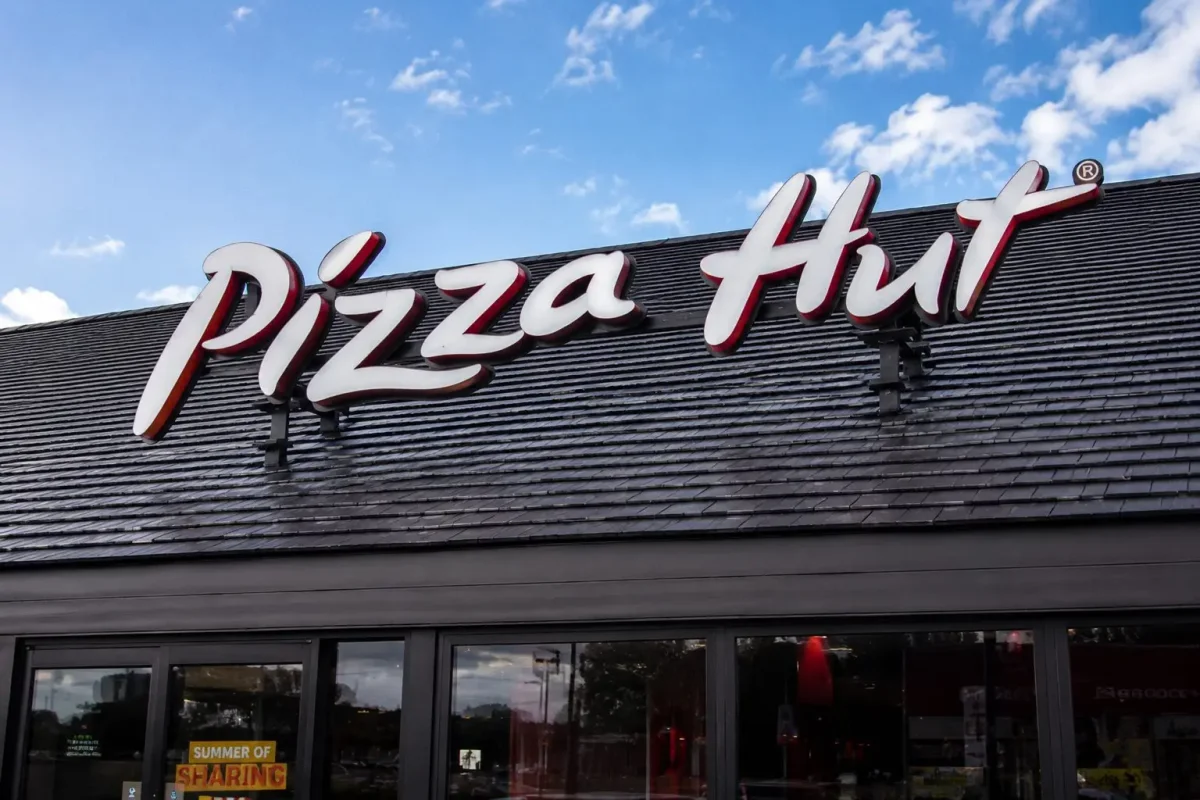
Yum! Brands, the parent company of KFC, Taco Bell, and Habit Burger & Grill, has finalized agreements to sell its Pizza Hut business in two separate transactions totaling $2.7 billion. The move marks a strategic pivot as the Louisville, Kentucky-based fast-food giant sheds a brand that has underperformed relative to its portfolio.
Under the terms of the deal, LongRange Capital will acquire Pizza Hut operations outside of mainland China for approximately $1.5 billion. Meanwhile, Yum China Holdings will take over the mainland China business for roughly $1.2 billion. Yum expects both transactions to close in the third quarter of 2026, pending regulatory approvals and customary closing conditions.
Financial Details and Shareholder Returns
Yum! Brands projects net proceeds of about $2.3 billion after accounting for taxes, transaction fees, and closing adjustments. Additionally, the company could receive up to $75 million in earn-out payments from LongRange Capital by 2030, though this amount is not included in the current net proceeds estimate. The company's board has also authorized a $4 billion share buyback program, signaling confidence in the company's future direction and commitment to returning capital to shareholders.
Strategic Rationale
CEO Chris Turner stated that the divestiture “enables Yum! to be a more focused company,” allowing management to concentrate resources on its higher-growth brands such as KFC, Taco Bell, and Habit Burger & Grill. Pizza Hut has long been considered the weak link in Yum’s portfolio, with same-store sales in the U.S. under pressure from inflation, rising commodity costs, and more cautious consumer spending.
Pizza Hut's Challenges
Pizza Hut has faced significant headwinds in its home market. The chain has struggled with aging store infrastructure, soft sales, and intensifying competition from rivals that have invested heavily in delivery technology, digital marketing, and menu innovation. According to industry analysts, Pizza Hut has been “playing catch-up on nearly every front” in the fast-growing pizza segment. The company had previously announced plans to close approximately 250 underperforming U.S. locations.
Neil Saunders, managing director at GlobalData, noted that fixing Pizza Hut would require substantial time and capital that Yum was unwilling to invest, making a sale the most viable option. Private ownership under LongRange Capital could provide the brand with more flexibility to undertake a turnaround without the quarterly earnings pressure of a publicly traded parent.
Yum China's Expansion Plans
As part of the deal, Yum China gains full control of the Pizza Hut brand in the world’s second-largest economy. Yum China currently operates and franchises over 18,000 stores in China, with KFC accounting for roughly 13,000 of those locations. The company has set an ambitious target of operating more than 6,000 Pizza Hut stores in China by 2028, up from its current count. Yum will continue to collaborate with Yum China on KFC sales incentives and plans to further expand Taco Bell's presence on the mainland.
Transition and Technology
Following the closing of the transactions, Yum! Brands will no longer report Pizza Hut as a separate operating division. However, the company will continue to operate its Byte by Yum technology platform and provide transitional services to Pizza Hut locations outside of China during the separation period. This ensures operational continuity while the brand transitions to its new owners.
Market Implications
The divestiture allows Yum to sharpen its focus on its core brands, which have demonstrated stronger growth trajectories. The $4 billion buyback program is likely to provide support for YUM shares in the near term. For investors, the sale removes a drag on earnings and frees up capital for reinvestment in higher-return businesses. The transactions are expected to close in Q3 2026, subject to regulatory approval.