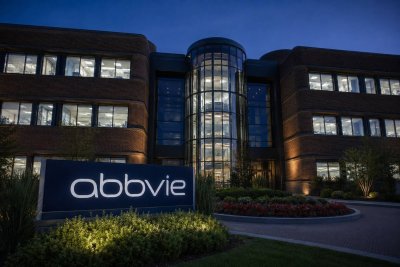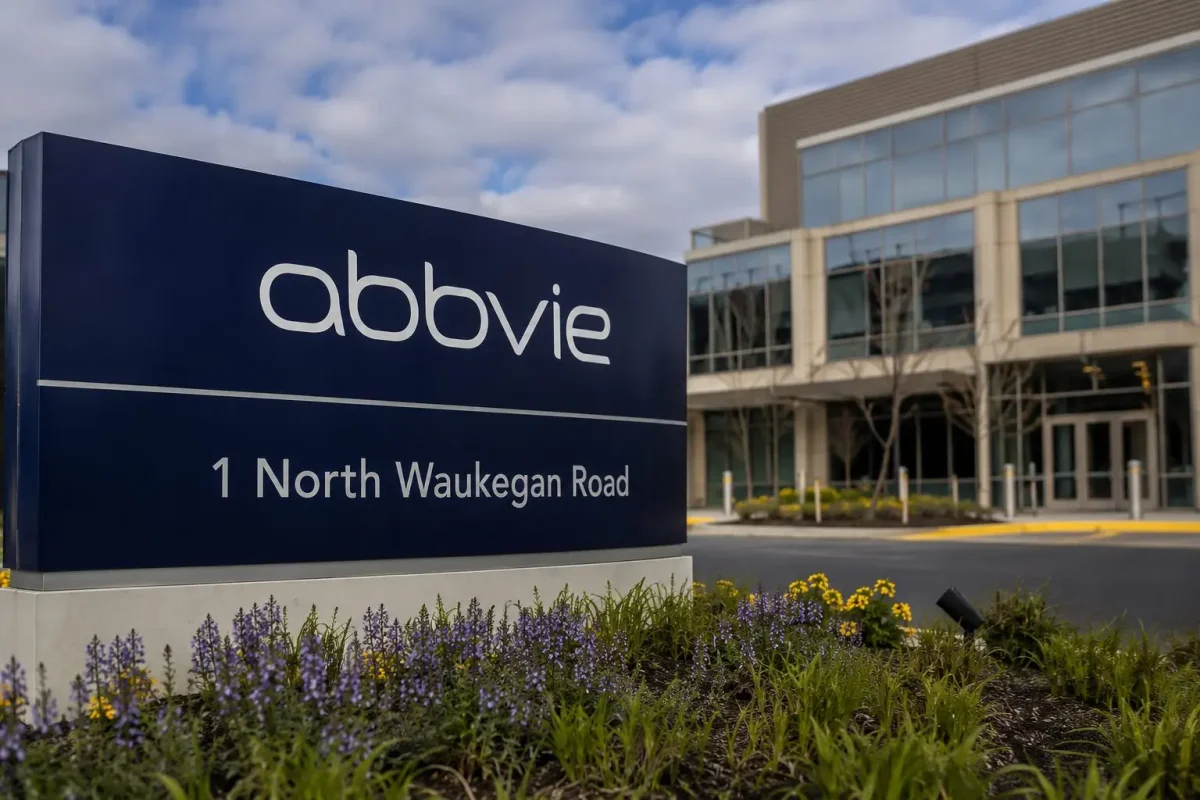
AbbVie (NYSE: ABBV) has agreed to acquire Apogee Therapeutics (NASDAQ: APGE) in an all-cash deal valued at $10.9 billion, marking the pharmaceutical giant's largest acquisition in over five years. The transaction, announced Monday, underscores AbbVie's strategic push to replenish its drug portfolio as it contends with patent expirations and biosimilar competition for its blockbuster immunology drug Humira.
Under the terms of the agreement, AbbVie will pay $135.11 per share, representing a 49% premium over Apogee's closing price on June 18. Both companies' boards have unanimously approved the deal, which is expected to close in the third quarter of 2026. AbbVie shares surged 6.9% to $231.44 in afternoon trading, while Apogee shares jumped 46.8% to $132.64.
Strategic Rationale and Pipeline Impact
The acquisition centers on Apogee's lead candidate, zumilokibart, a late-stage monoclonal antibody targeting IL-13, a key immune protein involved in eczema and asthma. The drug has shown promising results in clinical trials, with 75% of patients achieving at least a 75% reduction in eczema severity at week 16 maintaining that response for a year with quarterly dosing. For patients receiving injections every six months, the sustained response rate reached 85%. Phase 3 trials are scheduled to begin later this year.
This treatment could offer a significant advantage over current therapies such as Sanofi and Regeneron's Dupixent, which requires injections every two weeks. AbbVie's CEO Robert Michael described the deal as an "excellent fit" for the company's immunology franchise, which generated over $30 billion in revenue in 2025. However, Humira sales declined 49% last year due to biosimilar competition, and AbbVie also faces looming patent cliffs for its other top immunology drugs, Skyrizi and Rinvoq.
Market Context and Deal Financing
The acquisition is part of a broader wave of biotech mergers and acquisitions in 2026. According to STAT, there have been 33 biotech deals valued at $1 billion or more this year, totaling nearly $134 billion—already surpassing last year's 26 deals worth $112 billion. Just two weeks ago, GSK (NYSE: GSK) announced a $10.6 billion acquisition of Nuvalent (NASDAQ: NUVL), betting on two lung-cancer drugs under regulatory review.
To finance the deal, AbbVie will utilize existing cash and debt. Apogee had previously secured up to $1.3 billion in financing from Blackstone Life Sciences, including a synthetic royalty arrangement and senior debt. The change-of-control clause in that agreement allows AbbVie to repurchase a significant portion of the royalty, reducing the effective purchase price to approximately $10.1 billion when factoring in acquired cash and securities.
Financial Outlook and Risks
AbbVie projects combined peak annual sales from the acquisition could exceed $10 billion, but the transaction is not expected to be accretive to earnings per share until 2032. The company anticipates a $0.46 per share hit to adjusted earnings in 2027. J.P. Morgan analyst Chris Schott noted strong investor appetite for late-stage growth assets, while RBC's Brian Abrahams called AbbVie "an ideal acquirer."
However, risks remain. Apogee has cautioned that early positive data may not hold up in larger Phase 3 trials, and a longer-acting antibody could prolong side effects. If Phase 3 results disappoint, enrollment lags, or regulatory approval faces delays, AbbVie could be left servicing new debt without the anticipated revenue boost. The current merger spread of $2.48 (1.9%) implies an annualized gross return of about 7% if the deal closes by September, but any regulatory or shareholder hurdles could widen that spread significantly.
Broader Industry Trends
The deal reflects a shift in pharmaceutical M&A strategy from early-stage, low-cost biotech investments to more expensive, late-stage assets with proven clinical data and clear competitive advantages. Buyers are increasingly focused on drugs that offer dosing convenience and broader indications, driving up acquisition prices. This trend means that the industry's next major product launches will hinge on a few critical trial readouts, amplifying both the potential rewards and risks for acquirers like AbbVie.