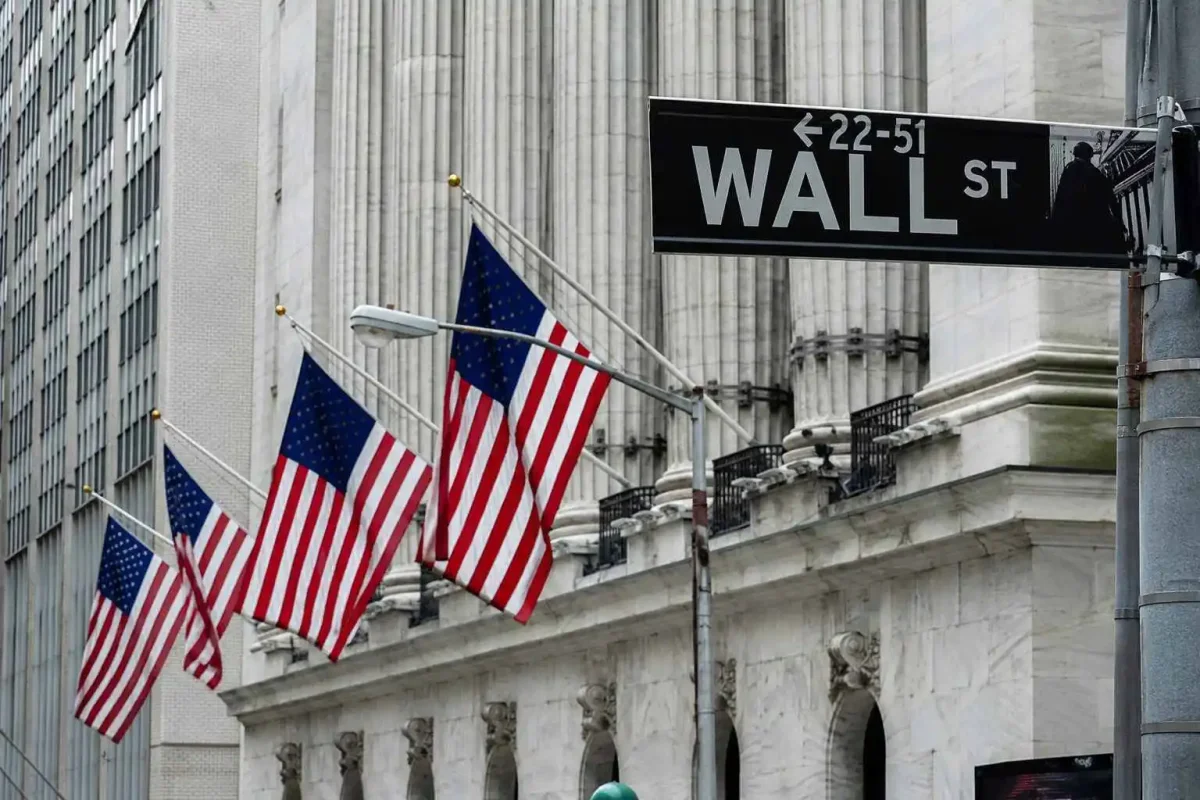
U.S. equities closed higher on Friday, with the S&P 500 advancing 0.70% and the Nasdaq Composite climbing 1.00%, driven by a surge in artificial intelligence-related stocks. However, the rally was narrowly concentrated, as the Russell 2000 slipped 0.36%, and declining issues outnumbered advancers by a slim margin on the New York Stock Exchange.
The divergence between large-cap technology and small-cap stocks widened to 1.06 percentage points on the day, underscoring that investor enthusiasm remains focused on mega-cap names with clear AI exposure. Despite the mixed breadth, all four major benchmarks ended the week in positive territory, with the Russell 2000 still leading the year-to-date gains at +18.27%.
Amazon, Apple, and the AI Spending Debate
Amazon.com (NASDAQ:AMZN) surged 15.32% after reporting a 37% jump in AWS revenue to $42.2 billion, with an order backlog of $496 billion. The company raised its 2026 capital investment forecast to approximately $220 billion, signaling confidence in continued AI infrastructure demand. CEO Andy Jassy noted that demand still exceeds supply, a sentiment echoed by analysts who saw the results as easing fears of an AI spending bubble.
Microsoft (NASDAQ:MSFT) also gained 3.02% after its cloud division posted a 27% revenue increase to $59.3 billion, reinforcing the narrative that hyperscalers are seeing strong returns on their AI investments. In contrast, Apple (NASDAQ:AAPL) fell 7.35% after projecting September-quarter revenue growth of just 9% to 11%, below analyst estimates, citing short-term supply constraints.
Market Breadth and Valuation Concerns
The narrow nature of the rally raises questions about its sustainability. Late in the session, decliners outnumbered advancers by 1.1 to 1, even as the S&P 500 climbed. The index is trading at roughly 20 times forward earnings, above its 10-year average of 19 times, leaving little room for disappointment.
Treasury yields also moved higher, with the 10-year note reaching 4.739%, its highest level since January 2025, and the 30-year yield at 5.2713%. Rising yields, driven by inflation concerns, could pressure equity valuations if they continue to climb.
Fed Policy and Upcoming Data
The Federal Reserve left interest rates unchanged at 3.50%-3.75% this week, but three policymakers dissented in favor of a hike. Futures markets now price in roughly a two-thirds chance of a September increase. Investors are bracing for a busy week of economic data, starting with Monday's ISM manufacturing survey and culminating in Friday's July employment report.
Economists polled by Reuters expect 91,000 new jobs and an unemployment rate of 4.3%. Strong payroll numbers could push yields higher, while weaker data might renew growth concerns. The bond market's reaction will be critical, as Art Hogan of B. Riley Wealth noted that markets remain “held hostage” by oil prices and the 10-year yield.
Corporate Earnings and the Path Forward
With over a quarter of S&P 500 companies reporting next week, corporate guidance will be closely watched for signs that AI-related capital expenditures are translating into profits. Amazon's negative trailing free cash flow of $7.6 billion, versus a positive $18.2 billion a year ago, highlights the heavy investment phase, but investors seem willing to look past it for now.
The key test remains whether cloud revenue can continue to outpace financing costs. If AI spending disappoints or yields spike, Friday's gains could quickly evaporate, leaving the market vulnerable to a sharp pullback.