TOKYO (StockTi.com) — The influence of artificial intelligence is extending beyond chip stocks, now prompting investors to reassess the value of Japan's gaming, character, and licensing companies. As capital rotates toward semiconductors, data centers, and automation, traditional consumer franchises like Nintendo and Sanrio face new scrutiny over their premium valuations.
The Nikkei 225 rebounded on Tuesday, gaining 2.17% to close at 65,416.63, recouping some losses after a sharp 3.85% decline on Monday — the steepest single-day drop in three months. However, market participants remain cautious about the sustainability of the recovery. Kazuaki Shimada, chief strategist at IwaiCosmo Securities, noted that while enthusiasm for AI-related shares persists, there is wariness about the market's rapid recent run-up.
Investor sentiment is also reflected in capital flows. According to Ministry of Finance data, Japanese investors pulled 2.72 trillion yen ($16.98 billion) from foreign equities in May, the largest monthly withdrawal since April 2021. At the same time, they purchased 2.9 trillion yen worth of foreign bonds, the highest level since May 2025, indicating a preference for fixed income amid equity market uncertainty.
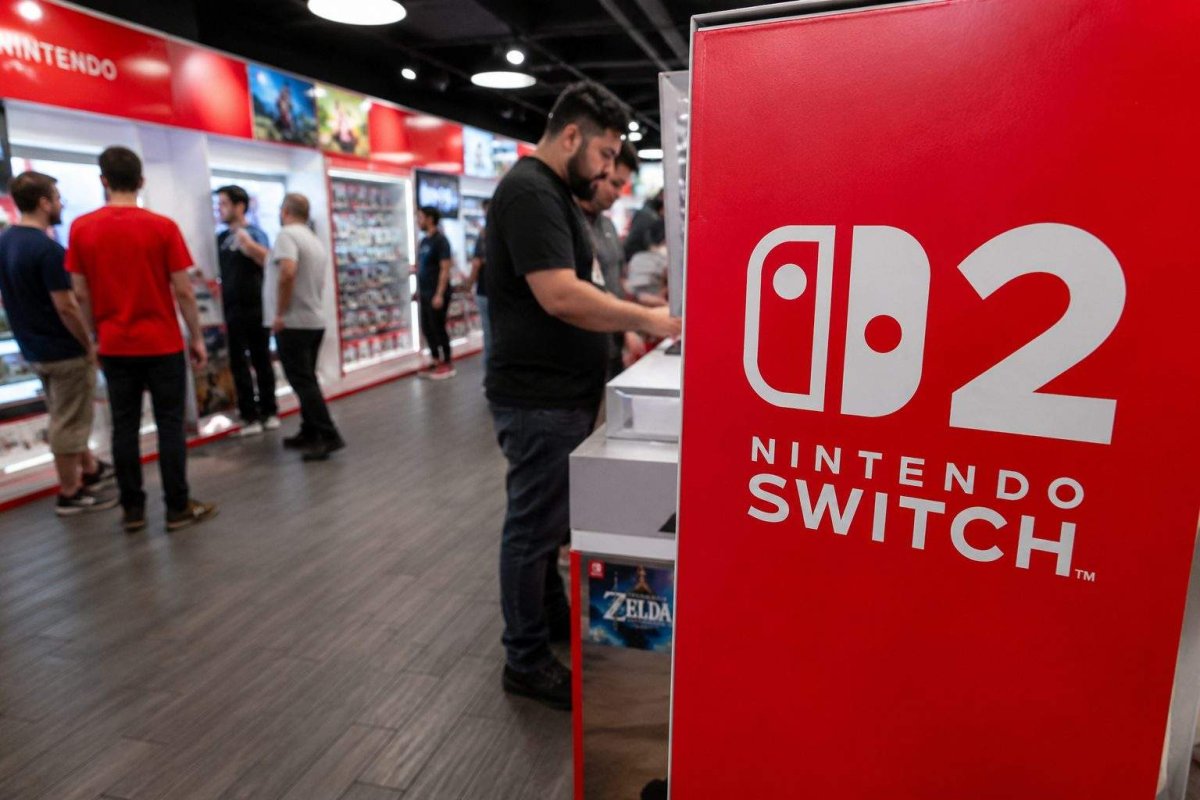
Nintendo is directly feeling the pressure from rising component costs. In May, the company announced price increases for its Nintendo Switch 2 console: the Japanese version will rise to 59,980 yen from 49,980 yen, while the U.S. price will climb to $499.99 from $449.99, effective September 1. Nintendo cited medium- to long-term changes in market conditions, including higher memory costs and tariffs expected to add approximately 100 billion yen to annual expenses.
Morningstar analyst Kazunori Ito said the price hike indicates that Nintendo cannot absorb the added memory expenses internally. Serkan Toto of Kantan Games added that Nintendo needs to deliver more first-party titles to sustain demand. The risk is twofold: higher console prices could help maintain margins, but they may also deter casual gamers, who are typically the most price-sensitive segment of Nintendo's audience.
For Sanrio, the Hello Kitty brand owner, the challenge is different. Not being tied to hardware prices, the company's licensing business still faces pressure as investors increasingly compare its growth prospects to faster-expanding AI-driven companies. The broader market shift is forcing investors to ask whether intellectual property, beloved characters, and loyal fan bases can continue to command premium valuations in an environment where capital is flowing heavily into AI infrastructure.
Sony is also under strain. The company expects annual gaming sales to drop 6% to 4.42 trillion yen, as the PS5 ages and memory costs rise. However, Sony forecasts gaming profit to jump 30%, partly due to its own price hike on the PS5, which rose by $100 in the U.S. in March. The broader gaming industry is also adapting: a survey by the Computer Entertainment Supplier's Association found that 51% of Japanese game companies now use AI or generative AI in development, for tasks such as image creation, storywriting, and programming assistance.
Barclays has identified Japan's Nikkei as a relatively safer bet compared to South Korea's Kospi, describing Japan as a haven within Asia's volatile AI trade. Nevertheless, stock selection remains challenging. For Nintendo and Sanrio, the central question is whether their iconic intellectual properties and loyal customer bases can continue to attract investor capital while AI stocks dominate the market. Their brands remain strong, but the market is demanding more evidence of sustainable growth.