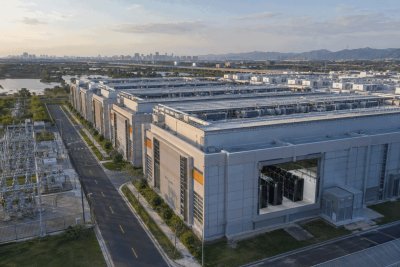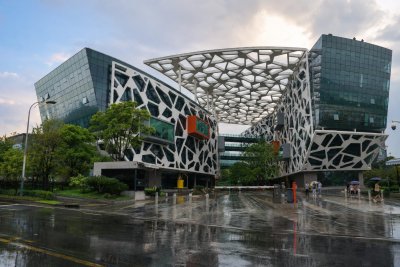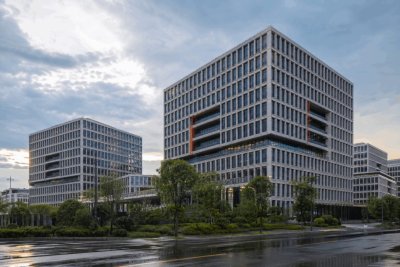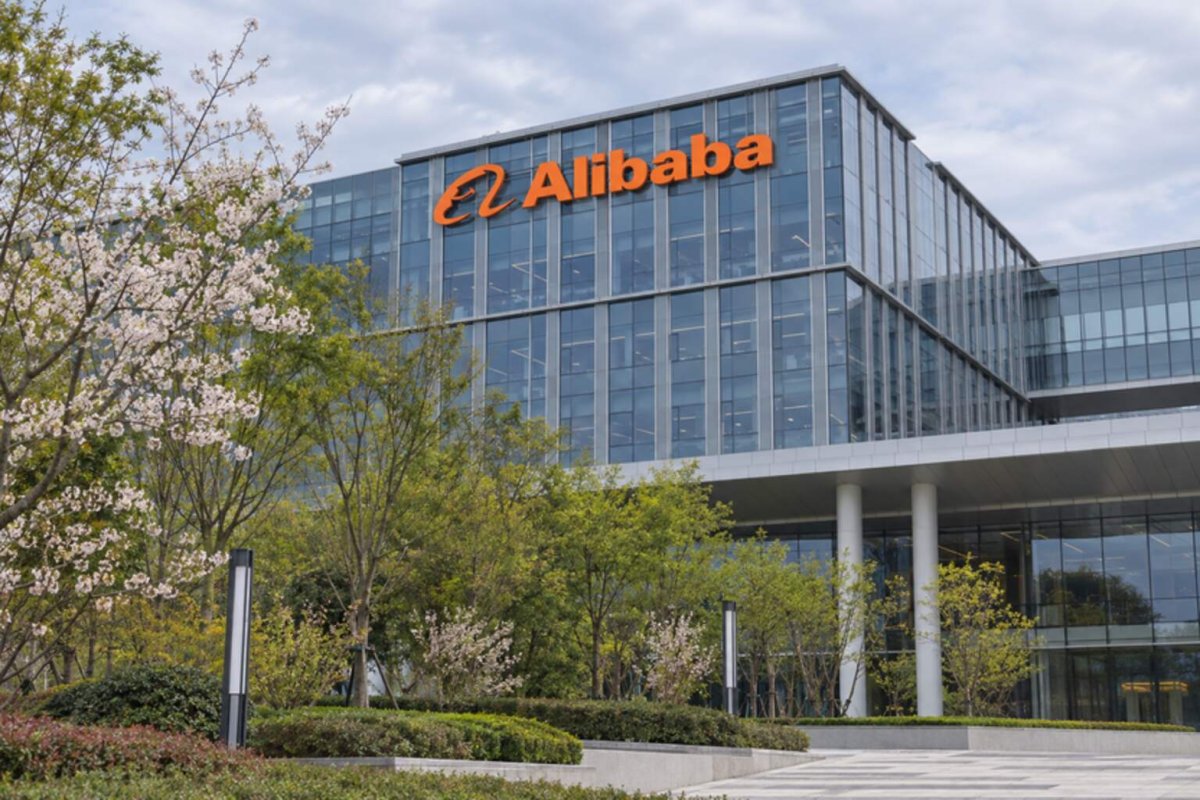
Alibaba Group Holding Limited (HKG:9988; NYSE:BABA) saw its Hong Kong-listed shares advance 2.3% to HK$115.20 by 13:59 HKT on September 22, 2026, with trading volume reaching 94.42 million shares. The uptick came as investors digested new AI infrastructure targets announced by CEO Eddie Wu, who outlined plans to expand global cloud capacity to more than 20 gigawatts by 2032.
The announcement converts Alibaba's previously open-ended AI push into a measurable commitment. However, the financial implications are substantial. In the June quarter, capital expenditures reached RMB67.68 billion, a 75% year-over-year increase, while free cash flow swung to a negative RMB44.67 billion, widening from a RMB18.82 billion outflow in the same period last year.
AI Cloud Growth vs. Capital Strain
Alibaba's AI Cloud segment continues to show strong momentum. Revenue for the June quarter rose 45% year-over-year to RMB48.44 billion, and adjusted EBITA surged 133% to RMB5.63 billion, with the margin improving to 11.62% from 7.24%. Yet group net income plummeted 75% to RMB10.44 billion, underscoring the heavy investment burden.
Capital spending now equates to roughly 1.4 times quarterly AI Cloud revenue, a ratio that highlights the scale of Alibaba's bet on AI infrastructure. The company ended June with RMB474.51 billion in cash and liquid investments, providing a cushion for the planned expansion, but the negative free cash flow signals the potential for prolonged outflows.
New AI Chip and Model Roadmap
Beyond capacity, Alibaba unveiled plans for a next-generation AI accelerator, the V900, which the company claims delivers three times the performance of its predecessor, the M890 released in May 2026. The V900 is slated for commercial release in the first quarter of 2027, with clusters supporting up to 500,000 chips. Additionally, Alibaba is developing a frontier model with 5–10 trillion parameters, a significant jump from the current Qwen 3.8 Max's 2.4 trillion.
These commitments come alongside a note from UOB Kay Hian that placed the V900 release in the third quarter of 2027, though Alibaba's own timetable suggests an earlier rollout. The discrepancy highlights the fluid nature of Alibaba's AI roadmap.
Investor Sentiment and Analyst Views
Despite the heavy spending, Alibaba's stock has attracted bullish calls from major financial institutions. Goldman Sachs, Bernstein, Susquehanna, and JPMorgan all maintain buy or overweight ratings, with price targets ranging from US$165 to US$210 per ADS. The targets imply upside of 42.5% to 81.4% from the September 21 U.S. close of US$115.75.
However, Bernstein's lower target followed an equity raise that revived concerns about management's capital returns strategy. The company's failure to disclose its current gigawatt base also complicates modeling of the expansion's cost and pace.
Risks and Outlook
The 20-GW build-out carries significant risks. If cloud demand slows, cash outflows could extend well beyond current projections. Supply chain constraints or delays in the V900 launch would also weaken Alibaba's cost advantage. Conversely, custom silicon could lower compute costs and reduce reliance on restricted foreign supply, potentially improving the economics.
Wu emphasized that medium-term industry demand “far outpaces our supply capabilities,” suggesting the company is betting on sustained AI adoption. The Apsara conference, running through September 24, may provide further clarity on capacity baselines and the V900 timeline.
Investors will be watching closely for signs that Alibaba can balance its AI ambitions with financial discipline, as the company's ability to convert infrastructure promises into revenue growth remains the key test.