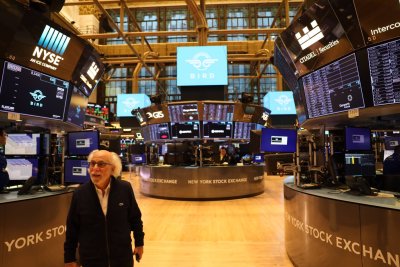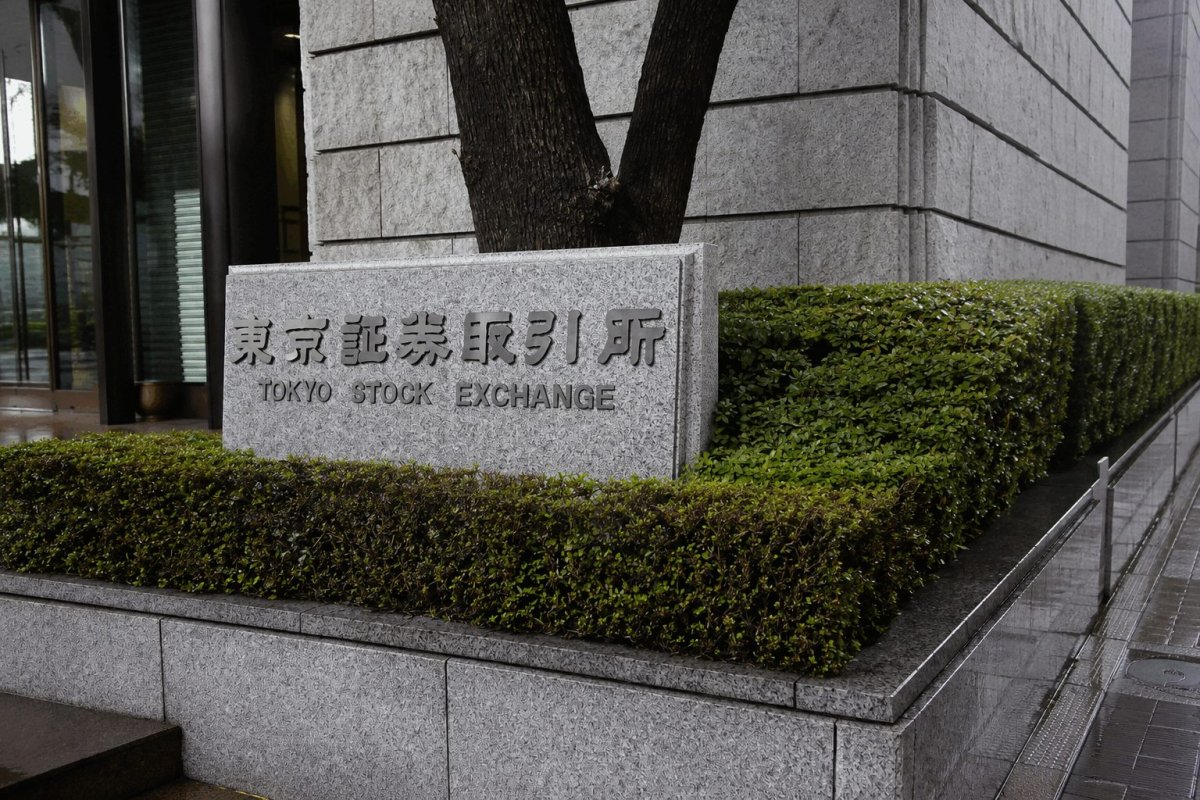
Asian equities closed the trading week with a pronounced divergence, as a spike in global bond yields and crude oil prices created winners and losers across the region. Hong Kong's Hang Seng Index surged approximately 4%, while Japan's Nikkei 225 tumbled nearly 4%, underscoring the varied impact of the recent rate shock.
The yield shock was the dominant theme: U.S. 10-year Treasury yields reached 4.73%, and 30-year yields climbed to 5.266% in intraday trading on August 21. Brent crude hovered near $94 per barrel, up more than 5% on the week. This combination raised discount rates and import-cost concerns across Asia, hitting markets with high duration and energy import dependence.
Hong Kong Leads, Japan Lags
Hong Kong emerged as the clear outperformer, with the Hang Seng gaining about 4% for the week, closing Friday at 26,009.46, up 1.21% on the day. Tencent and HSBC each rose more than 1% on Friday, while AIA advanced over 3%, helping the index to a fifth consecutive day of gains. The strength was underpinned by robust activity: HKEX reported first-half revenue and other income of HK$16.7 billion, up 19% year on year.
In contrast, Japan's Nikkei 225 lost nearly 4% for the week, closing Friday at 66,016.36, down 0.30% at 15:30 JST. Fast Retailing and SoftBank each fell roughly 4% and 3% on Friday, as higher energy costs and bond yields amplified valuation pressure on growth stocks. The TOPIX, however, managed a slight gain of 0.19%, closing at 4,067.29.
Korea and China: Mixed Results
South Korea's KOSPI rose 0.88% on Friday to 6,912.95, helped by Samsung Electronics gaining about 4% and SK Hynix adding more than 2%. However, the KOSDAQ fell 4.63% as capital rotated out of smaller growth names, indicating a market that is bifurcated between large-cap tech and speculative names.
China's CSI 300 and Shanghai Composite both ended Friday higher, up 0.57% and 0.04% respectively, while Taiwan's TAIEX gained 0.65%. India's Nifty 50 added 0.08%, and Singapore's Straits Times rose 0.30%.
Cross-Asset Pressure and Week Ahead
The combination of higher U.S. yields and firm oil prices presents a dual challenge for Asian markets. A weaker dollar provides some cushion, but the rise in long-term yields remains a cleaner risk to equity valuations, particularly for high-duration sectors. Japan, Korea, and India remain most exposed to imported inflation, with oil prices near $94 a barrel.
Looking ahead to the week of August 24-28, markets will reopen on Monday, with scheduled earnings from XPeng and key data releases. Japan will report core CPI on Tuesday, services prices on Wednesday, and labor market data on Friday. The Bank of Japan's Himino speech on Thursday will be closely watched for its impact on the yen and duration-sensitive equities. U.S. core PCE, GDP revision, and durable goods orders are due Wednesday, while NVIDIA results are expected Thursday.
Investors will also monitor the USD/JPY level near 160, the U.S. 30-year yield at 5.3%, and whether the Hang Seng can hold above 26,000. A stabilizing yield environment and a benign BOJ speech could ease pressure on Japanese equities, while a further rise in yields or oil could exacerbate the divergence.