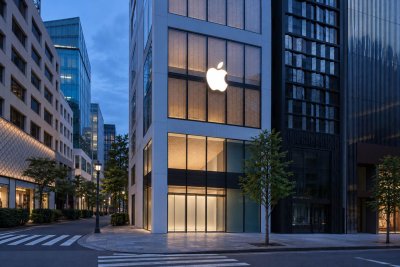
Shares of Alibaba Group Holding Limited (NYSE: BABA) soared 6.2% in late-morning trading on Wednesday, adding approximately $16.7 billion to its market capitalization. The surge followed China's regulatory approval for Apple Intelligence to operate locally, coupled with Alibaba's announcement that its Qwen AI model will be integrated across Apple's main operating systems in China, including iOS, iPadOS, macOS, and visionOS.
Alibaba's American depositary receipts climbed $6.95, based on the company's 2.40 billion shares outstanding. The jump represents nearly 73% of Alibaba's projected cloud revenue for fiscal 2026, which is estimated at $22.92 billion, and over eight times the cloud segment's adjusted EBITA of $2.07 billion. Despite the market enthusiasm, neither company disclosed a launch date or commercial terms, leaving the path to monetization uncertain.
Market Context and Implications
Apple shipped approximately 11.9 million iPhones in mainland China during the second quarter of 2026, according to IDC's early data, capturing an 18.1% market share. This provides a potential user base of about 12 million iPhones for Qwen, though it remains unclear which devices will support the AI features and how many users will opt in. Apple's stock also rose 3.1% on the news, while Baidu, another AI supplier for Apple in China, gained 2.8%.
The regulatory approval for Apple Intelligence, registered but without a launch date, allows Alibaba to claim a major reference customer. However, the market's immediate reaction may be overdone. The $16.7 billion valuation jump far exceeds the cloud segment's annual adjusted EBITA of $2.07 billion, suggesting that investors are pricing in significant future revenue that has yet to materialize.
Revenue Potential and Investor Scrutiny
Alibaba's management is under pressure to demonstrate that its substantial AI investments are generating tangible business results. Cloud revenue for the March quarter rose 38%, with external customer revenue up 40% and AI-related products accounting for 30% of those external sales. CEO Eddie Wu stated in May that the company's technology investments are beginning to pay off commercially. Alibaba also plans to increase its capital expenditure beyond the previously announced 380 billion yuan (approximately $56 billion) over three years.
However, the commercialization model for the Apple deal remains ambiguous. Potential revenue streams include licensing fees for the Qwen model, increased cloud server load from AI services, or brand recognition benefits. If the AI features run primarily on-device, the financial impact may be limited to enhanced credibility with developers rather than direct revenue. The lack of clarity on this front leaves room for skepticism.
Financial Health and Risks
Alibaba's adjusted EBITA for the March quarter dropped 84%, and free cash flow turned negative by $2.51 billion due to increased spending on technology and quick-commerce. This tightens the company's financial flexibility, making it crucial that the Apple deal translates into measurable revenue rather than just user engagement. Investors will need to see actual paid calls to the Qwen model, license revenue, or a clear uptick in cloud demand to justify the current valuation.
Apple's iPhone shipments in China bounced back, but IDC analyst Arthur Guo noted that AI was not the primary driver. Instead, Apple maintained steady pricing while competitors raised theirs, boosting its market share from 13.9% to 18.1%. The overall smartphone market in China declined 4.3%, highlighting the competitive pressure Alibaba faces in monetizing its AI capabilities.
The long-term success of this partnership hinges on execution and clear revenue generation. While the deal looks promising on paper, the market will be watching closely for concrete financial outcomes in the coming quarters.