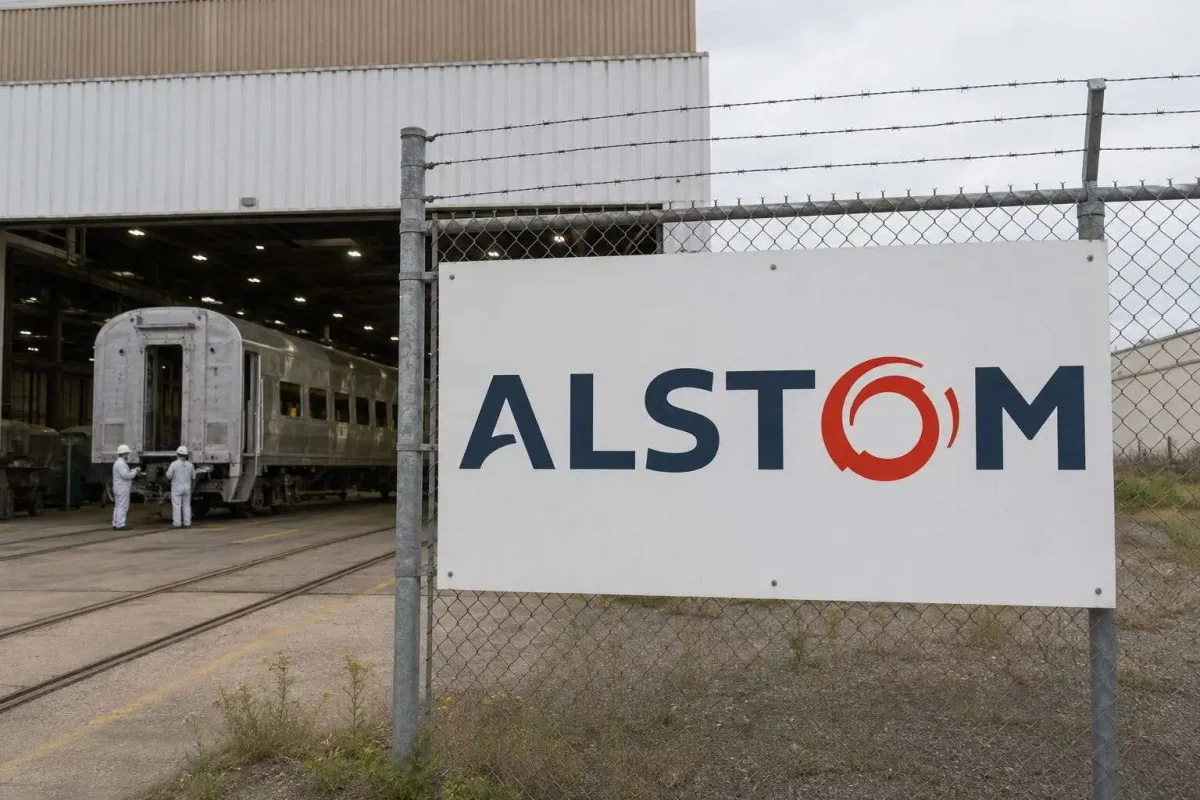
Alstom SA (EPA:ALO) saw its shares rise 3.8% on Wednesday, reaching €16.275 in Paris trading, after the Canadian government announced a historic C$4.7 billion investment in VIA Rail that will see the French rail manufacturer supply 313 new passenger coaches. The contract, which includes both manufacturing and long-term maintenance, represents a significant win for Alstom as it looks to recover from a weak start to the fiscal year.
The Canadian government's commitment, revealed on September 3, 2026, is valued at over C$4.7 billion, which translates to approximately €2.93 billion based on the Bank of Canada's official exchange rate of C$1.6065 per euro on Wednesday. This figure stands 14.3% higher than Alstom's total order intake in the first quarter of its fiscal year, which ended June 30, 2026, and amounts to 61.8% of the company's quarterly sales of €4.73 billion.
Market Reaction and Trading Details
Investors responded swiftly to the news, with Alstom's share price climbing from approximately €15.72 at 16:20 CEST to €16.27 by 17:00, before settling at €16.275 by the close of trading at 17:21 CEST. The stock's gain of 3.8% came against a previous close of €15.675, reflecting renewed optimism about the company's commercial momentum.
The contract award is particularly notable given Alstom's recent order performance. In the first quarter, the company reported order intake of €2.56 billion, a 37% decrease year-over-year, resulting in a book-to-bill ratio of just 0.5. However, sales grew by 4.9% to €4.73 billion during the same period, suggesting that the company's existing backlog remains robust.
Contract Details and Economic Impact
The VIA Rail contract encompasses the design, manufacturing, and maintenance of 313 passenger coaches, including dining, panorama, and sleeper cars. These vehicles will operate on eight routes beyond the Québec City-Windsor corridor, which carried over 216,000 passengers in 2025. The manufacturing will take place at Alstom's facilities in Thunder Bay and La Pocatière, with engineering operations based in Saint-Bruno-de-Montarville, Quebec.
The Canadian government anticipates the project will create close to 700 jobs and generate over C$1.6 billion in economic impact. This investment underscores Canada's commitment to modernizing its passenger rail network and positions Alstom as a key partner in that effort.
Financial Implications and Challenges
While the headline figure is impressive, investors should note that the C$4.7 billion does not represent immediate revenue. The contract covers acquisition and maintenance costs, with revenue recognized as deliveries are made and maintenance milestones are met. Alstom has not disclosed the breakdown between manufacturing and services, nor the timing of order bookings.
The company's backlog stood at €102.8 billion as of June 30, 2026, representing approximately 5.4 times its fiscal 2025/26 sales. However, execution remains a concern, particularly in the Americas, where revenue dropped 19% year-over-year in the first quarter. Cash generation has also been challenging, with free cash flow falling 33% to €336 million in the past year, and the adjusted operating margin declining to 6.1%.
New chief executive Martin Sion has prioritized "strengthening execution and advancing key projects," and the company is guiding for an adjusted operating margin of around 6.5% for the full year, along with positive free cash flow. The Canadian contract provides a much-needed boost to order momentum, but the real test will be in delivery.
Risks and Outlook
Several risks remain. The public disclosure lacks specifics on booking timelines and milestone payments, which could affect revenue recognition. Extended manufacturing ramp-ups may also consume working capital before customer payments arrive. Additionally, currency fluctuations could reduce the euro-equivalent value of the contract over time.
Despite these uncertainties, the order restores short-term commercial momentum and signals confidence in Alstom's product offerings. Whether today's share price rise translates into an earnings upgrade will depend on the company's ability to execute on this significant contract and deliver on its operational targets.
