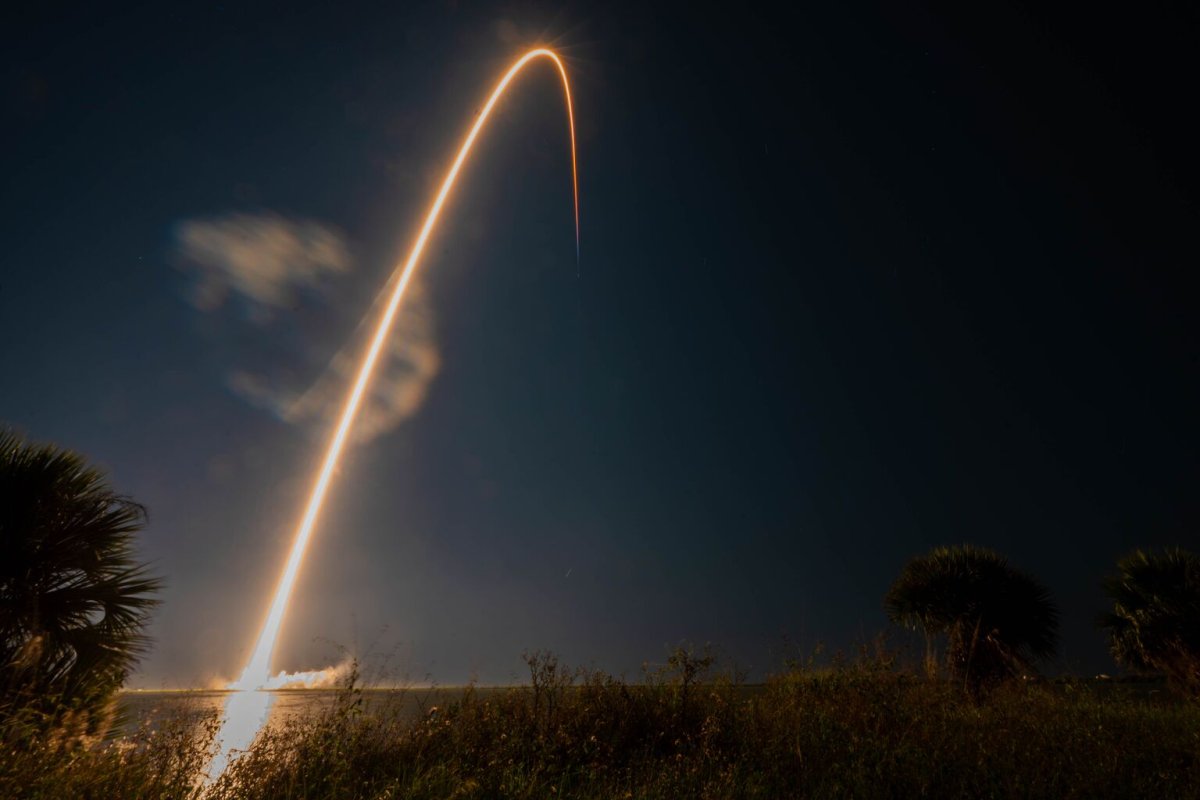
Amazon (AMZN) has moved up its next SpaceX Falcon 9 launch for its low-Earth orbit satellite internet network, now targeting December 2026 instead of 2027. The accelerated timeline was confirmed by an Amazon spokesperson to Ars Technica on November 24, marking a strategic adjustment in the company's satellite deployment schedule.
Revised Launch Schedule
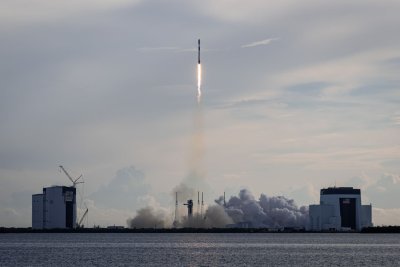
The revised target shifts the launch from an unspecified date in 2027 to December 2026. Amazon has not yet disclosed a specific launch day, the number of satellites to be carried, or dates for subsequent Falcon 9 missions. The company indicated that it is pulling forward several flights already booked with SpaceX, though details on the full manifest remain undisclosed.
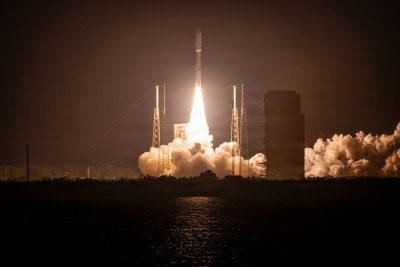
This acceleration comes after a significant setback: a United Launch Alliance (ULA) Vulcan rocket failed to reach orbit on November 15, resulting in the loss of 40 Amazon Kuiper satellites. The revised Falcon 9 timeline allows Amazon to deploy another batch of broadband satellites before year-end, partially offsetting the impact of that failure.
Background on Falcon 9 Bookings
Amazon's relationship with SpaceX for Kuiper launches dates back to December 2023, when the program was still known as Project Kuiper. The initial contract covered three Falcon 9 flights, which launched in July, August, and October 2025 from Cape Canaveral, each carrying 24 satellites. That October flight was the most recent Amazon mission on Falcon 9.
In a March 2026 update, Amazon revealed it had booked an additional 10 Falcon 9 launches in late 2025. SpaceX, which operates the rival Starlink service, provides the rockets. The November disclosure adjusts how Amazon plans to use that capacity, bringing some launches earlier than originally planned.
Impact on Broadband Service
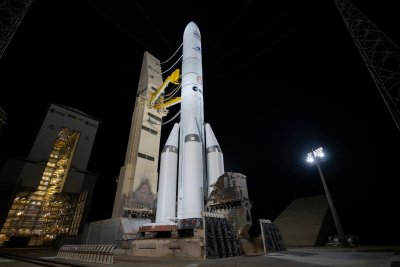
The November 15 Vulcan failure is under investigation; ULA's preliminary findings on November 18 indicated insufficient fuel reaching the first-stage engines. Amazon also relies on Europe's Ariane 6 rocket, which successfully deployed 36 Kuiper satellites on November 24, according to Amazon's mission log. Originally, Vulcan was slated to carry nearly half of the first-generation constellation.
Despite the setback, Amazon's launch and service schedules remain distinct. The satellites from the Ariane 6 flight were released at an altitude of approximately 465 kilometers. Amazon will perform checks, raise them to about 630 kilometers, and commission them before customer service begins.
In its October 29 earnings release, Amazon reiterated its goal of initiating initial Kuiper service by the end of 2026. The Falcon 9 disclosure did not provide a new customer-access date. Separately, the FCC's June order maintains July 30, 2029, as the final U.S. deployment deadline for the first-generation constellation, independent of service launch.
Market Implications and Outlook
The acceleration signals Amazon's determination to compete aggressively in the satellite broadband market against SpaceX's Starlink, which already has a substantial constellation in orbit. By pulling forward launches, Amazon aims to close the coverage gap and meet its service commitments. Investors will watch for concrete launch dates and service announcements as key milestones.
Amazon's stock (AMZN) may see volatility as the market digests the launch schedule changes and the ongoing investigation into the ULA failure. The company's ability to execute on its revised timeline will be critical for its competitive position in the growing satellite internet sector.