In a significant step toward bridging connectivity gaps at sea, Smart Communications and Elveo Mobile have announced a successful trial of satellite-based communication services along a busy inter-island route in the Philippines. The test, conducted on November 23, 2026, involved standard LTE smartphones aboard moving cargo vessels, which were able to send text messages, receive emergency alerts, and load websites using Elveo's low Earth orbit (LEO) satellite network.
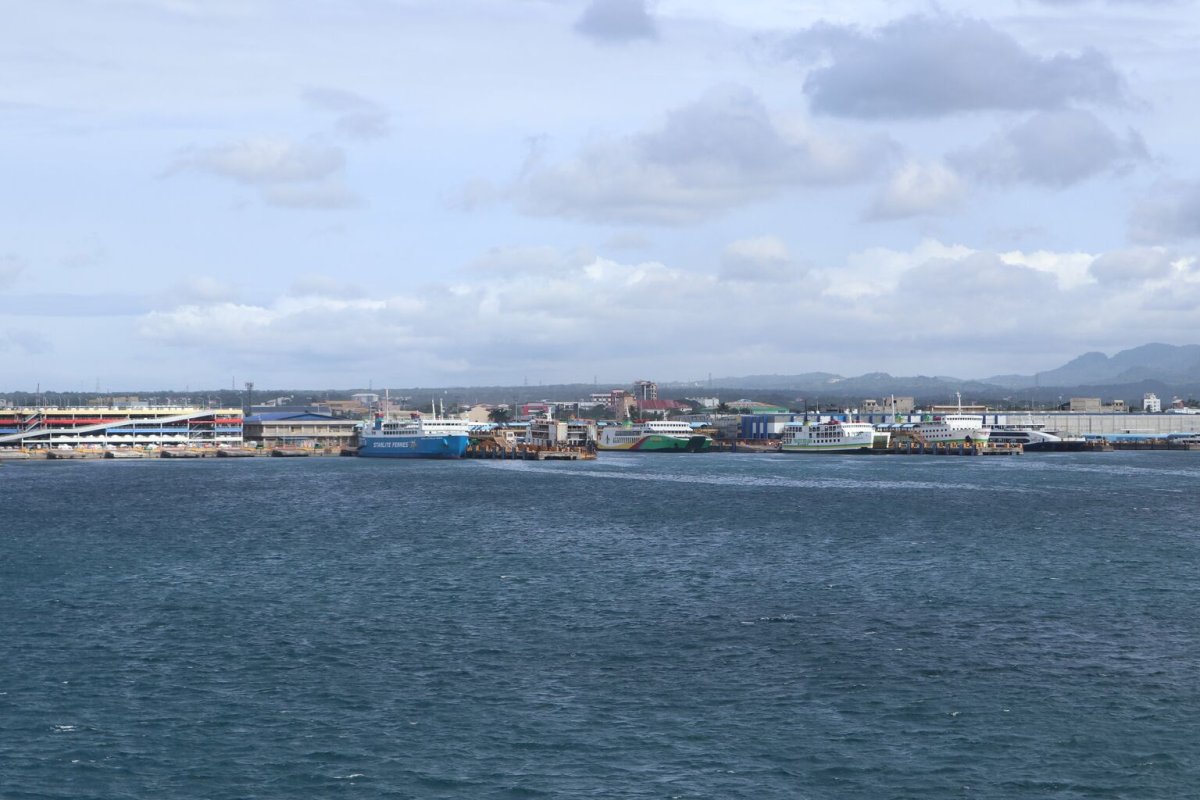
The trial took place on the Batangas–Calapan route, connecting Luzon and Oriental Mindoro, a corridor frequently used by ferries and cargo ships. According to the companies, the phones connected directly to the satellites, bypassing the need for terrestrial cell towers. This technology could prove vital for maritime safety, especially in areas where traditional mobile coverage is unreliable or nonexistent.
Test Details and Results
The companies reported that testers aboard the vessels successfully sent text messages to contacts in Manila, received emergency broadcast alerts, and used mobile data to access the official websites of Smart and its budget brand TNT. The vessels themselves served as test platforms, though specific delivery times and connection speeds were not disclosed.
This trial is part of a broader initiative by Smart, the wireless arm of PLDT Inc., to explore satellite links as a backup for areas with limited cell-tower coverage. Earlier pilots were conducted in Catanduanes, Pagudpud, Laoag in Ilocos Norte, and Lobo, Batangas, according to the companies. At sea, the ability to receive emergency broadcasts could provide an additional layer of safety for passengers and crew, particularly during severe weather when shore-based signals may drop.
Regulatory and Operational Context
The Philippine Maritime Industry Authority (MARINA) lists the Batangas–Calapan route at 24 nautical miles, with average crossing times of approximately 90 minutes for several FastCat vessels and two hours for several Montenegro vessels, based on a March 2026 matrix. The trial announcement did not specify the duration of the satellite connections or whether the tests were conducted during a regular sailing.
PLDT first disclosed the shipboard LTE trial in its November 12 results release. The November 23 account from Elveo provided more details, including the successful two-way communication between Luzon and Oriental Mindoro. Elveo Mobile, a provider of LEO satellite services, has been working with Smart to expand connectivity options beyond traditional infrastructure.
Market Implications
The successful trial underscores the growing interest in satellite-to-phone technology, which has gained momentum globally as companies like SpaceX (Starlink), AST SpaceMobile, and others work to enable direct-to-device connectivity. For PLDT and Smart, this could open new revenue streams and enhance their service offerings in underserved markets, including maritime routes and remote islands.
However, the companies have yet to announce a commercial launch date, supported handset list, or passenger pricing. The November 23 release also did not provide details on delivery times, connection speeds, or coverage maps, nor did it mention any voice-call testing. These gaps suggest that the technology is still in its early stages, though the successful trial bodes well for future deployment.
For investors, the development is a positive signal for PLDT (Ticker: PHI on NYSE), which has been investing in network resilience and diversification. The ability to offer satellite connectivity could differentiate Smart in a competitive telecom market, potentially driving subscriber growth and customer loyalty. As the technology matures, it may also attract partnerships with maritime operators and government agencies focused on disaster preparedness.
Overall, this trial represents a promising step toward ubiquitous connectivity, ensuring that even those at sea can stay connected and informed. With further testing and eventual commercialization, satellite-based services could become a standard feature for mobile networks in the Philippines and beyond.