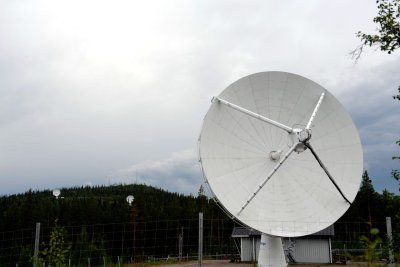
In a move to bridge the connectivity gap for rural livestock management, Orange Spain, Skylo, and Digitanimal have unveiled a satellite-based Internet of Things (IoT) pilot project in the Galicia region of northwestern Spain. The initiative, announced on November 19, 2026, aims to provide continuous tracking of free-ranging herds even in areas where traditional mobile networks are unavailable.
Trial Location and Objectives
The pilot is set in Serra do Xistral, a mountainous area in the province of Lugo, known for its challenging terrain and limited cellular coverage. The collaboration will deploy smart collars on livestock that utilize a combination of terrestrial and satellite connectivity to transmit GPS locations and activity data. This data is then fed into Digitanimal's monitoring platform, allowing farmers to keep tabs on their herds and respond quickly to any incidents, such as an animal straying or showing signs of distress.
Partnership Structure and Technology
Under the arrangement, Orange Spain will manage end-to-end connectivity and network integration, leveraging its completed integration with Skylo's satellite non-terrestrial network (NTN). The satellite layer operates on 3GPP standards, ensuring interoperability with existing cellular technologies. Digitanimal supplies the smart collars and the monitoring service, which the company says already boasts over 20,000 customers across its broader business.
The collars themselves are not entirely new. Digitanimal had previously described the development of its SAT collar in March 2026, noting that it was created in partnership with Deutsche Telekom IoT and Skylo. That earlier description outlined the device's ability to operate on cellular NB-IoT networks with automatic fallback to satellite connectivity when terrestrial coverage drops. The satellite component at that time utilized Skylo's geostationary infrastructure. The latest announcement, however, does not specify the exact radio configurations or device settings for the Galicia trial.
Prior Testing and Certification
In a related development, DEKRA reported in March 2026 that its laboratory in Málaga had served as an accredited testing facility for the livestock device, conducting radiated-performance and regulatory checks. This certification work provides a foundation of device reliability, but it does not offer evidence of how the collars will perform in the specific conditions of the Xistral trial.
Missing Details and Unanswered Questions
Notably, the announcements from Orange Spain and Skylo leave several critical questions unanswered. The number of animals participating in the pilot has not been disclosed, nor has the duration of the trial. There is also no information on message delivery rates, battery life expectations, or commercial pricing. Perhaps most importantly, no commercial launch date has been set.
For farmers considering this technology, the pilot represents a promising step toward more reliable herd monitoring in remote areas. However, the lack of published performance metrics means that the operational effectiveness of the satellite link remains unproven. Industry observers will be watching for future updates that provide concrete data on delivery reliability, reporting intervals, and battery performance.
Market Context and Implications
This pilot comes at a time when the agricultural sector is increasingly turning to IoT solutions to improve efficiency and animal welfare. The ability to track livestock in real-time, regardless of location, could reduce losses, improve response times to health issues, and support sustainable grazing practices. The integration of satellite connectivity with existing cellular networks is a key enabler, particularly in regions like Galicia where topography can hinder ground-based infrastructure.
Orange Spain's involvement highlights the growing interest of major telecom operators in IoT applications beyond traditional consumer services. Skylo, as a provider of satellite NTN services, is positioning itself as a critical partner for extending connectivity to the most remote corners of the globe. Digitanimal, with its established platform and customer base, brings practical experience in livestock monitoring.
As the pilot progresses, stakeholders will be keen to see whether the technology lives up to its promise. If successful, it could pave the way for broader adoption of satellite IoT in agriculture and other industries that operate in off-grid environments. For now, the announcement serves as a proof of concept, with the industry awaiting tangible results.