The U.S. Space Force is accelerating deployment of its government-owned Space Data Network, aiming for regional connectivity by 2026 and worldwide coverage by 2027. The latest update, issued on November 21, outlines an orbital mesh designed to provide high-speed data links for U.S. and allied command-and-control operations.
According to the Department of the Air Force, three successful launches occurred within a two-week span, signaling rapid progress in the network's buildout. The milestones, however, are described as planned capabilities rather than operational declarations, with global service still a target for next year.
Key Milestones and Contract Awards
The rollout timeline includes regional service expected by the end of 2026 and global support targeted for 2027. To manage the network's ground infrastructure, the Space Systems Command awarded Viasat a contract with a ceiling value of $450 million and an initial task order worth $115 million. This contract covers the establishment of an operations center to oversee network health, performance, and integration of space and ground services.
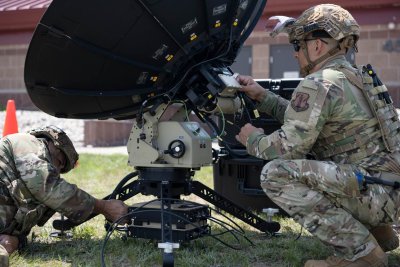
Viasat's responsibilities include integrating space-to-ground interfaces, supporting network operations, and maintaining a unified view of network status. The company will manage data transport according to government mission priorities, with additional scope for sustainment and cybersecurity support.
Recent Launches and Classified Payloads
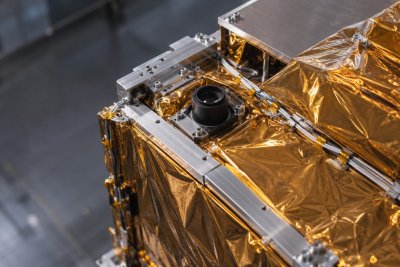
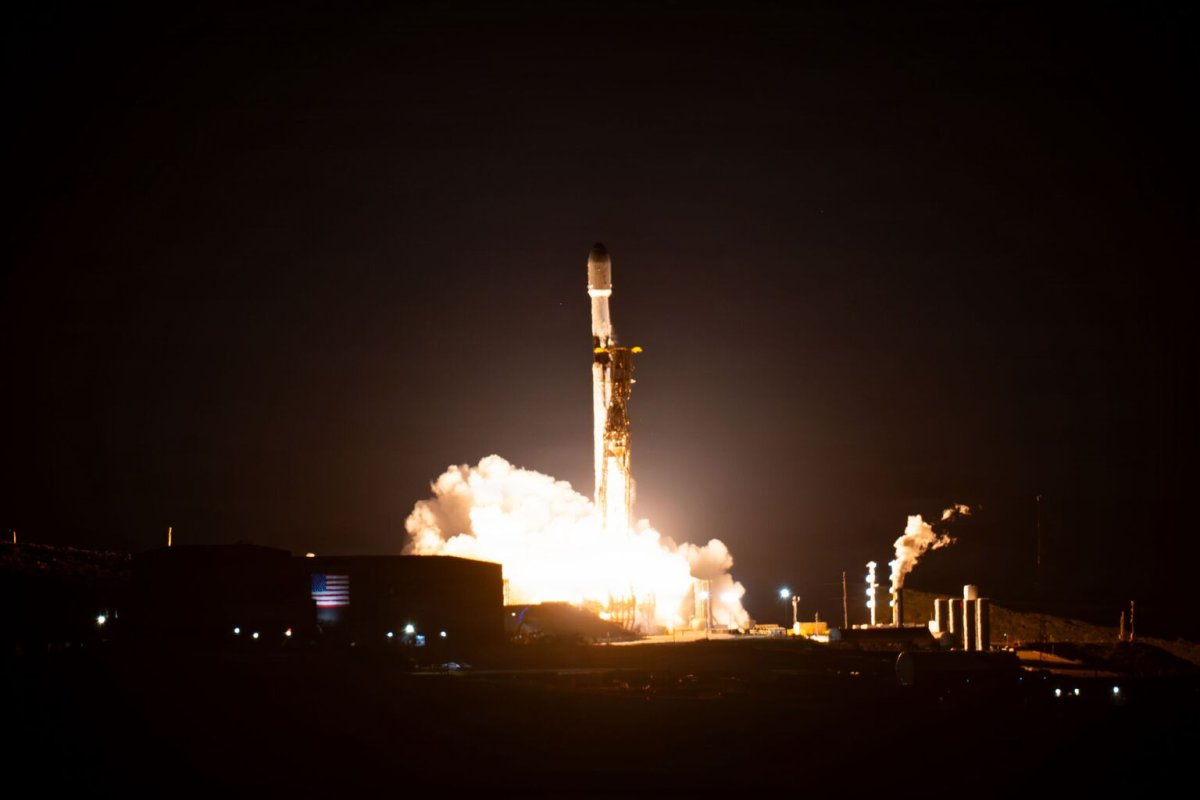
The launch chronology includes missions designated USSF-432, USSF-627, and USSF-317. USSF-432 lifted off on November 6, USSF-627 on November 12, and USSF-317 from Vandenberg Space Force Base at 04:20 UTC on November 21 (evening of November 20 local time). Spaceflight Now's updated report notes that spacecraft details for the R-series missions have not been confirmed by the military, so these launches should not be interpreted as a verified inventory of Space Data Network satellites.
Market Implications and Industry Context
This development underscores the growing demand for secure military satellite communications, a segment that has attracted significant investment from defense contractors and space technology firms. Viasat's contract win positions it as a key player in the government's space infrastructure, potentially providing a steady revenue stream over the contract's lifecycle. The $450 million ceiling represents the maximum potential value, with actual payments dependent on task orders.
For investors, the Space Force's aggressive timeline could spur further contract opportunities for companies like L3Harris, Lockheed Martin, and Northrop Grumman, which are active in satellite manufacturing and ground systems. The focus on cybersecurity also highlights the importance of secure data transport, a niche that Viasat and competitors such as Iridium and Globalstar are addressing.
As the network moves from regional to global capability, the integration of space and ground elements will be critical. The next major milestone is the regional service target before year-end, and progress on operational coverage will determine how much of the 2027 global goal is achieved.
Analysts will be watching for further launch announcements and contract awards as the Space Force expands its mesh network, which is expected to become a backbone for future coalition operations.