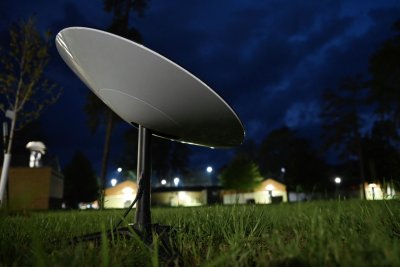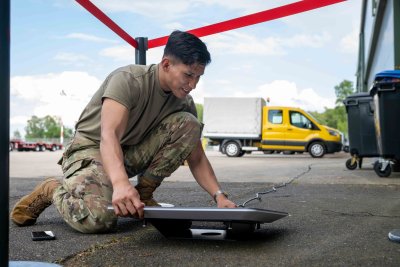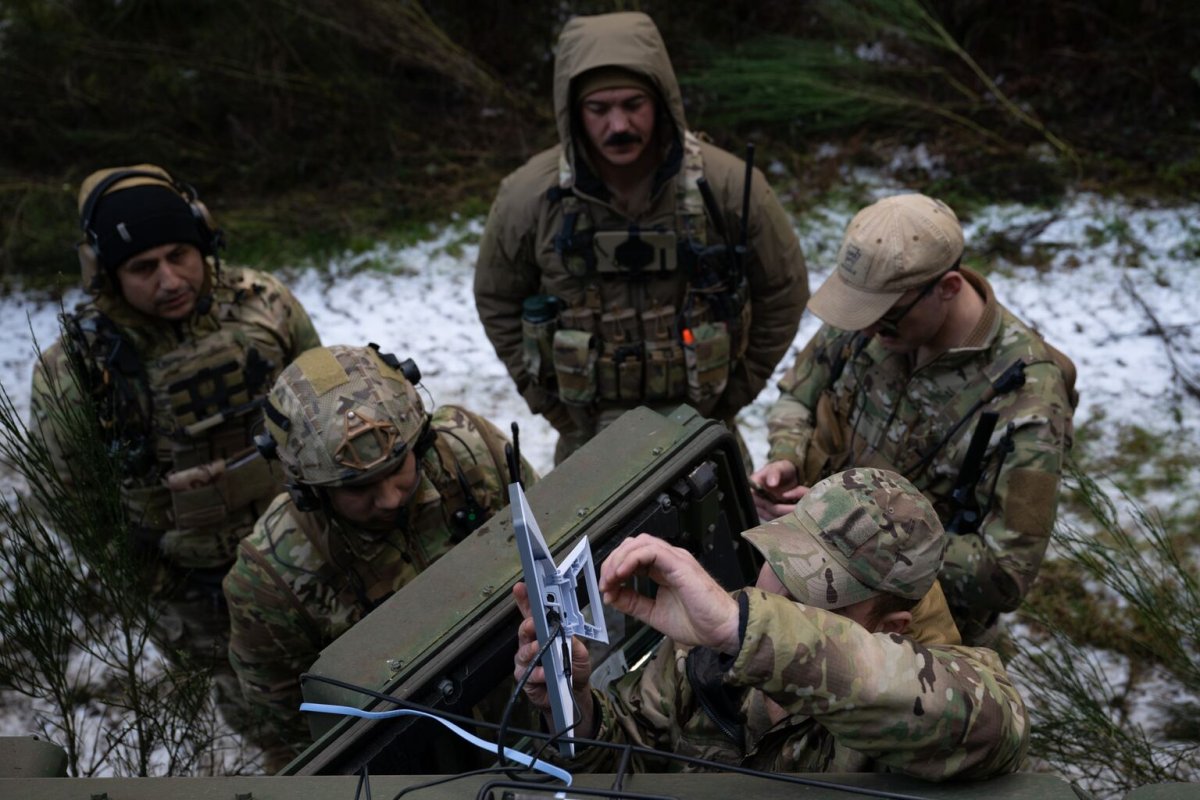
Greenland's government has issued a formal clarification regarding the use of Starlink satellite internet by Danish military personnel stationed in the territory. The clarification, delivered in a parliamentary reply on November 5, distinguishes between private use of Starlink terminals and communications that qualify as official military duty.
The distinction is significant because it determines whether existing telecommunications regulations apply or whether an exemption for state authorities is invoked. According to the government's position, private use of Starlink by soldiers is subject to the same rules that apply to any civilian user, meaning it must be conducted through the licensed concession holder, Tusass, and not through unapproved private terminals.
However, communications that fall under the category of internal service by Danish state authorities—including the military—may be exempt from these rules under Section 1(3)(1) of Greenland's consolidated telecommunications law. This exemption applies only when the communications meet special needs that public infrastructure cannot satisfy.
The clarification was prompted by a question from lawmaker Pele Broberg of the Naleraq party, who alleged that Danish soldiers had brought their own Starlink equipment to Greenland for personal internet access. The government stated that it could not confirm these reports, and that no documented violations had been brought to its attention.
Telestyrelsen, Greenland's telecommunications regulator, has emphasized that enforcement actions, including potential police reports, would be evaluated on a case-by-case basis. The regulator noted that with limited resources, cases that do not interfere with lawful radio use generally receive lower priority than those involving actual interference or significant problems.
This development comes amid growing interest in satellite internet services like Starlink, which have expanded coverage to remote regions including Greenland. The clarification provides guidance for military personnel and other government employees, but it does not introduce a new ban or a newly approved consumer service.
Industry observers note that the distinction between personal and official use is critical for regulatory compliance. The government's position underscores that private Starlink access outside the concession holder Tusass is illegal, with no provision for a special waiver.
For investors and market participants, this clarification may have implications for satellite internet providers and telecommunications companies operating in Arctic regions. Starlink, operated by SpaceX, has been expanding its global footprint, and regulatory clarity is essential for its continued growth.
The full text of the parliamentary reply and the underlying law are available in Danish, and the exchange has been reported by European Spaceflight. As of November 22, 2026, the government has not confirmed any specific instances of unauthorized private use by soldiers.