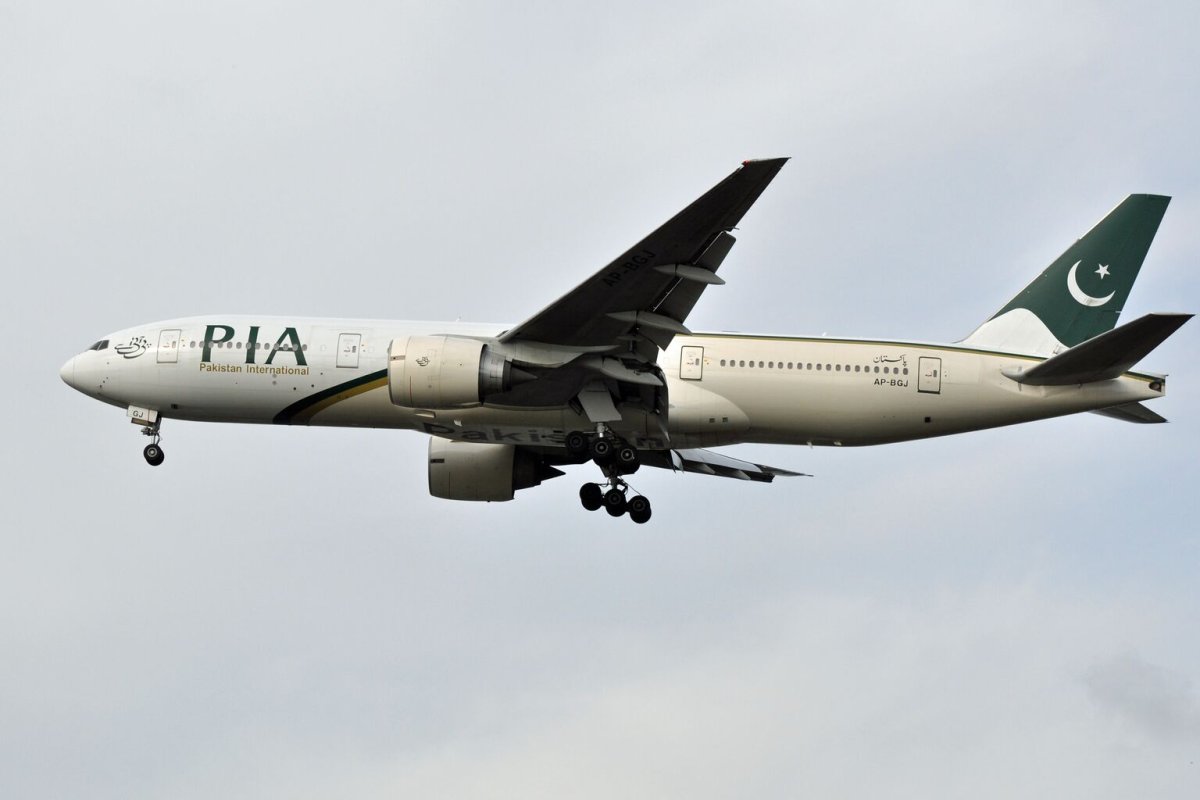
Pakistan has taken a significant step toward enabling in-flight internet connectivity by finalizing a licensing framework for satellite-based telecommunications services on aircraft. The Pakistan Telecommunication Authority (PTA) announced the framework on November 17, 2026, setting out a regulatory path for both Pakistani-registered planes and transit aircraft crossing the country's airspace. However, the announcement stops short of specifying any commercial rollout timeline, leaving airlines and passengers awaiting further clarity.
Regulatory Framework for Domestic and Transit Aircraft
Under the new rules, licensed in-flight telecommunications providers can serve Pakistani-registered aircraft using satellite capacity, subject to registration with the Pakistan Space Activities Regulatory Board (PSARB). This dual requirement—telecom licensing from PTA and satellite registration from PSARB—creates a comprehensive oversight structure. For transit aircraft merely passing through Pakistani airspace, a PTA no-objection certificate is mandatory, ensuring compliance with national regulations even for foreign carriers.
The framework distinguishes between two scenarios:
- Pakistani aircraft: Must use PTA-licensed providers, with satellite capacity registered under PSARB.
- Transit aircraft: Require a PTA no-objection certificate, subject to applicable compliance requirements.
This bifurcated approach reflects Pakistan's intent to regulate both domestic services and foreign carriers that utilize its airspace, balancing operational needs with security and regulatory oversight.
Separate Process for Satellite Registration
The PTA's announcement coincides with ongoing activities at PSARB, which has been receiving registration applications from geostationary satellite orbit (GSO) operators interested in supporting in-flight connectivity. PhoneWorld reported on November 18, citing PSARB officials speaking to Dawn News, that applications are being processed but did not name any approved operator or airline that would launch the service. This indicates that while the regulatory groundwork is being laid, actual service deployment remains in early stages.
Progress and Remaining Gaps
The framework represents a milestone in Pakistan's aviation and telecommunications sectors, but several critical elements remain unresolved. The table below summarizes the current status:
| Milestone | Status |
|---|---|
| Licensing framework | Finalized; announced 17 November |
| GSO applications | Applications being received |
| First airline | Not identified in cited reports |
| Service date | Not announced in cited reports |
| Passenger price | Not given in PTA statement |
| Speed (Mbps) | Not given in PTA statement |
The PTA's vision includes enabling onboard entertainment, personal communication, and online work for passengers. Yet, the absence of pricing, speed commitments, or a named satellite-network partner leaves the eventual passenger offering unspecified. This lack of detail suggests that airlines and service providers still need to negotiate commercial agreements and finalize technical integrations.
Market Implications and Outlook
For the aviation industry, the finalized framework could attract satellite internet providers and airlines looking to enhance passenger experience. In-flight connectivity has become a competitive differentiator, and Pakistan's move aligns with global trends. However, the lack of a rollout timeline and specific performance metrics may temper immediate expectations.
Investors and industry observers will be watching for further announcements from PTA and PSARB regarding approved operators, airline partnerships, and service launches. The successful implementation of this framework could position Pakistan as a regional hub for connected air travel, but much work remains before passengers see tangible benefits.
As the regulatory environment evolves, stakeholders will need to navigate both telecom and space regulations, a process that could introduce complexities but also pave the way for a more connected aviation ecosystem in the region.