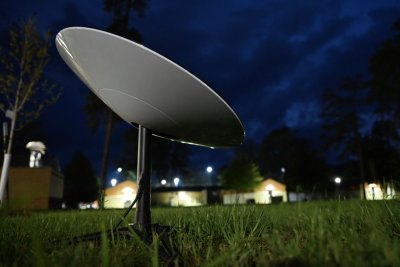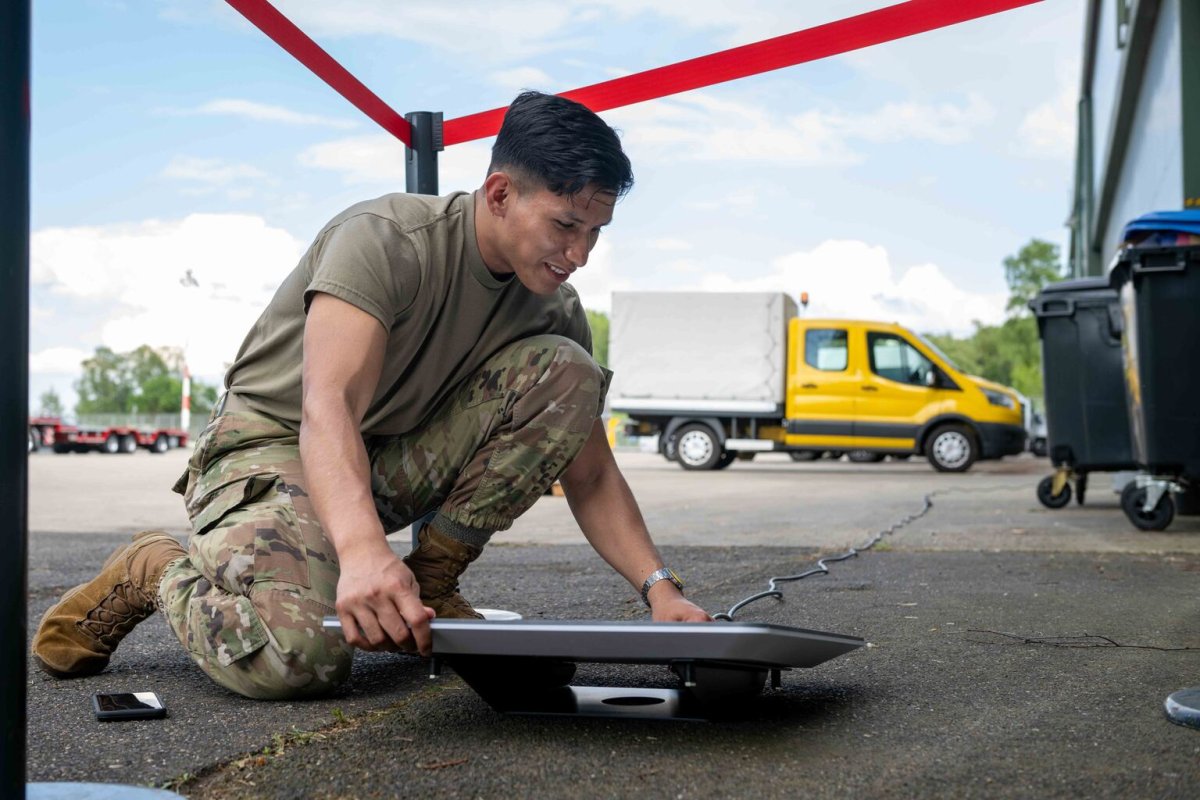
Elon Musk has publicly contradicted Ukrainian President Volodymyr Zelenskyy's assertions that SpaceX's Starshield service is again subject to speed restrictions in Ukraine, reigniting a contentious debate over satellite connectivity that Kyiv claims is undermining its military operations. The dispute, which has simmered for months, centers on whether commercial satellite services are being throttled in conflict zones, with significant implications for Ukraine's defense capabilities.
Musk's Denial and Kyiv's Counterclaims
Speaking at a New York Times forum on November 18, Musk dismissed reports of a slowdown, suggesting that Ukraine was attempting to use commercial Starlink for military purposes. His remarks, reported by Keystone-ATS and published by SWI on November 19, directly challenge Kyiv's narrative. The denial follows a November 17 presidential address in which Zelenskyy insisted that a Starshield movement-speed limit remained in effect in Ukraine's temporarily occupied territories, stating that discussions with American partners were ongoing.
Timeline of Restrictions and Recoveries
The current controversy marks a reversal from late October, when Zelenskyy announced that Starlink and Starshield services had been fully restored after previous restrictions. Ukrainian tests at that time confirmed the systems were operational. However, by November 12, during his address to the European Political Community summit in Dublin, Zelenskyy reported a renewed limit of 161 kilometers per hour (approximately 100 miles per hour), which he said was severely hampering Ukraine's ability to intercept Russian jet-powered Shahed drones, particularly near the front lines where Ukrainian aircraft cannot operate.
Understanding the Technical Distinction
It is crucial to clarify that the reported 161 km/h figure refers to the movement speed of the connected equipment, not an internet connection's download rate, which is typically measured in megabits per second. This distinction is vital for understanding the operational impact, as high-speed movement can disrupt satellite connectivity, especially for drones or vehicles. Kyiv's statements, however, provide no terminal logs or independent performance measurements to substantiate the claims.
Starshield vs. Starlink: Two Services, Different Rules
Musk's response also highlighted a fundamental difference between SpaceX's two service families. Starshield, according to SpaceX's June 5 prospectus, is a secure satellite network designed for national-security use, built on Starlink's technology but with additional cryptographic capabilities to meet government requirements. Starlink, in contrast, serves consumer and commercial customers. Musk reiterated that Starshield is controlled by the U.S. government, implying that any restrictions would be a matter of U.S. policy rather than SpaceX's discretion.
Market and Geopolitical Implications
This dispute carries significant weight for investors and geopolitical observers. SpaceX, though private, has a substantial valuation and its satellite services are critical infrastructure in conflict zones. The outcome of this disagreement could influence future contracts with governments and military entities, as well as public perception of the reliability of commercial satellite services in high-stakes environments. Moreover, it underscores the growing intersection of private technology companies and national security, a trend that investors are closely monitoring.
Evidence Gap Remains
The public record includes Ukrainian statements about operational effects, Musk's rejection, and SpaceX's general service descriptions, but lacks independently verified data matching terminal movement, location, and connection status during the disputed November period. A dated technical account from the operator and relevant U.S. authorities, along with reproducible Ukrainian test results, would help establish which equipment was affected, where, and for how long. Until such evidence emerges, the reported 161 km/h threshold and its impact on interceptions remain claims attributed to Kyiv, while Musk's denial remains a competing narrative.