Botswana Telecommunications Corporation (BTC) has announced a strategic partnership with SpaceX's Starlink to introduce satellite-to-phone connectivity in Botswana, with commercial services slated to begin in early 2027. The collaboration, unveiled on November 18 under the brand name "BTC Satellite," aims to bridge the digital divide by providing messaging and location-sharing capabilities in regions lacking traditional cellular coverage.
According to a report from ITWeb Africa dated November 20, BTC's Chief Executive Officer Jürgen Peschel confirmed that the commercial rollout is targeted for the start of 2027. While both companies have not specified an exact launch date, the announcement marks a significant step toward expanding mobile connectivity in underserved areas of the southern African nation.
Targeting Underserved Regions
Starlink has identified the Central Kalahari region and individuals working in mining, agriculture, and wildlife conservation as primary beneficiaries of the new service. The initial phase will focus on enabling messaging applications and location sharing, which could prove invaluable for field teams operating beyond the reach of terrestrial mobile networks. The effectiveness of these services will depend on the final implementation and coverage.
Complementing Existing Broadband Offerings
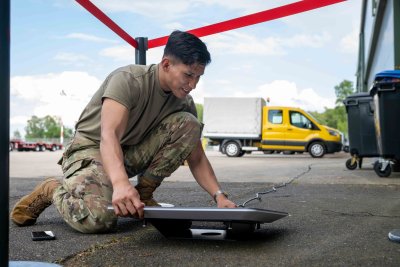
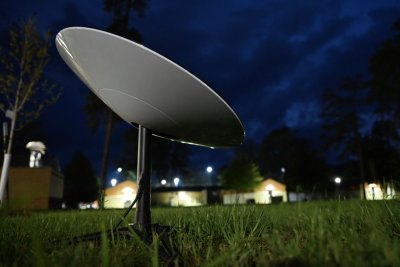
BTC already provides Starlink broadband packages featuring Standard and Flat High Performance terminals. These plans include Local Priority and Global Priority options, data allowances ranging from 50 GB to 5 TB, and contract lengths of 12, 24, or 36 months. The new BTC Satellite service, however, employs a different access method: compatible handsets will connect directly to the satellite network, bypassing the need for dish hardware.
This distinction is crucial for consumers comparing offerings. The existing broadband allowances and terminal bundles pertain solely to dish-based products and do not apply to the forthcoming phone service. Neither company has disclosed pricing, data allowances, or throughput specifications for the mobile satellite service.
Device Compatibility and Tariffs Yet to Be Defined
ITWeb Africa reports that the service is expected to support standard 4G-capable smartphones or newer models, with features including SMS, maps, WhatsApp calls, and light internet browsing. However, these are reported ambitions rather than confirmed specifications. The initial company announcements describe a narrower scope, focusing on messaging and location sharing, and do not include a detailed list of compatible devices.
Peschel also stated that the objective is nationwide geographical coverage. This is a corporate claim about the intended footprint, not a published measurement of reception quality or performance. The announcement alone does not guarantee how a particular handset will perform in a specific location.
Evidence and Implications
BTC's official post confirms the service name, partnership, and direct-to-mobile approach. Starlink's communication provides the approximate launch window and intended applications. The ITWeb Africa report adds the CEO's commercial timeline and broader functional descriptions. BTC's existing product page serves as a baseline for distinguishing dish broadband from the new phone offering.
Prospective users should await BTC's launch terms for an exact start date, approved phone models, activation instructions, pricing, and included services. Neither of the November 18 company posts provides these details, so existing Starlink broadband tariffs should not be interpreted as indicative of BTC Satellite's pricing.
This initiative reflects a broader trend of satellite-to-phone services expanding globally, with potential implications for connectivity in remote and rural areas. As the technology matures, it could reshape telecommunications landscapes across Africa and beyond.