In a significant move for commercial space communications, SES Space & Defense has outlined its role in a NASA initiative to maintain connectivity for legacy spacecraft as the agency's Tracking and Data Relay Satellite (TDRS) fleet approaches retirement. The Luxembourg-based operator announced on November 18 that its Global Enterprise Solutions (GES) subsidiary will develop a Ka-band relay service to address a critical continuity risk window from 2029 to 2031.
The work falls under NASA's Network Extension for User Continuity and Sustainability (NEXUS) program, which aims to transition relay services to commercial providers. NASA selected GES on November 4, alongside Astranis and Viasat, with GES's contract carrying a maximum value of US$340.4 million, including all future options. This ceiling is part of a broader procurement that also includes awards of US$264.3 million to Astranis and US$460.9 million to Viasat, reflecting NASA's strategy to diversify its relay capabilities.
Contract Scope and Timeline
The initial performance period runs from November 4, 2026, through May 3, 2027, with priced options that could extend development into 2029. NASA's NEXUS overview describes a phased approach, moving from concept development and risk reduction to a potential on-orbit demonstration. The award ceilings represent maximum potential value, not immediate spending, and do not guarantee operational capability by a specific date.
Compatibility with Existing Spacecraft
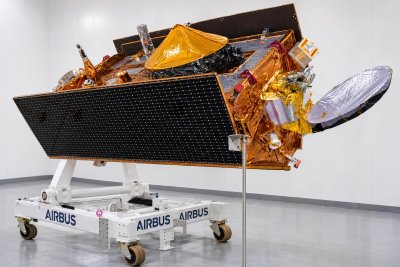
A central requirement is compatibility with spacecraft already in flight. NASA's NEXUS program mandates at least 15 years of relay service for selected TDRS users whose onboard hardware cannot be feasibly modified. The 2029–2031 period is identified as a time of escalating risk as the aging TDRS constellation degrades. SES's proposed service includes relay satellites, ground infrastructure, and continuous operations, with no changes required to customer spacecraft.
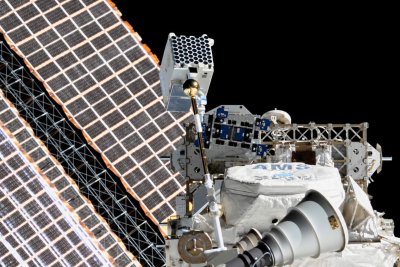
The announcement specifically names the International Space Station (ISS) and Hubble Space Telescope as current TDRS users, underscoring the stakes for maintaining uninterrupted data flow. However, SES has not provided separate service start dates for either mission, leaving timelines subject to further development.
Technical and Operational Requirements
The relay network must support radio links via Ka-band satellite relay, serve existing legacy TDRS spacecraft, require no onboard modifications, and deliver a minimum of 15 years of service. The scope encompasses space, ground, and operations, as detailed in NASA's NEXUS overview and SES's announcement. These objectives remain contingent on successful development and demonstration.
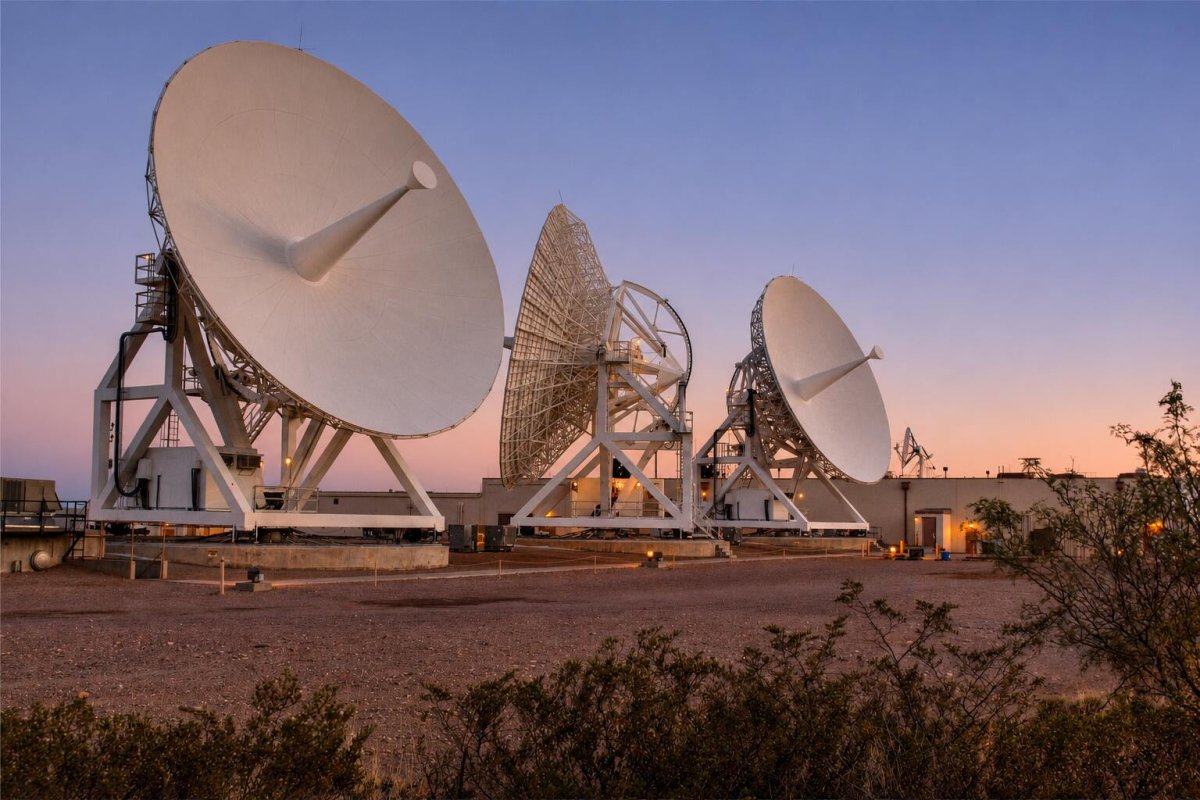
Beyond scientific data downloads, the relay system facilitates voice, video, and command transmission. Data flows from a spacecraft to a relay satellite, then to the White Sands Complex in New Mexico, and onward via terrestrial links. Commands return through the same network, ensuring both observation delivery and spacecraft control.
Commercial Viability and Future Procurement
NASA also expects a robust commercial business case beyond its own demand. The solicitation permits various orbital solutions and anticipates competitive development, with future selections based on demonstrated performance, technical credibility, and commercial viability. This procurement is designed to guide subsequent purchases of operational relay services, potentially opening the door for broader commercial participation.
While the published evidence establishes a contractor, development schedule, and compatibility requirement, SES's statement does not disclose a specific spacecraft design, launch date, or measured service performance. The goal is to keep existing radios usable, but reliable service across the satellite and ground network has yet to be proven in operation.
For investors, this contract positions SES as a key player in the growing commercial space infrastructure market, with potential revenue streams extending through the next decade. The NEXUS program's emphasis on commercial viability may also signal a shift in how NASA procures critical communication services, offering opportunities for other satellite operators and technology providers.