Space42, in collaboration with South Korea's Asia Pacific Satellite Inc. (APSI), has officially commenced production of the ThurayaTwo handset, a next-generation satellite phone designed to deliver app-based data services. The announcement, made on November 16, sets a target for market entry in the United Arab Emirates during the fourth quarter of 2027.
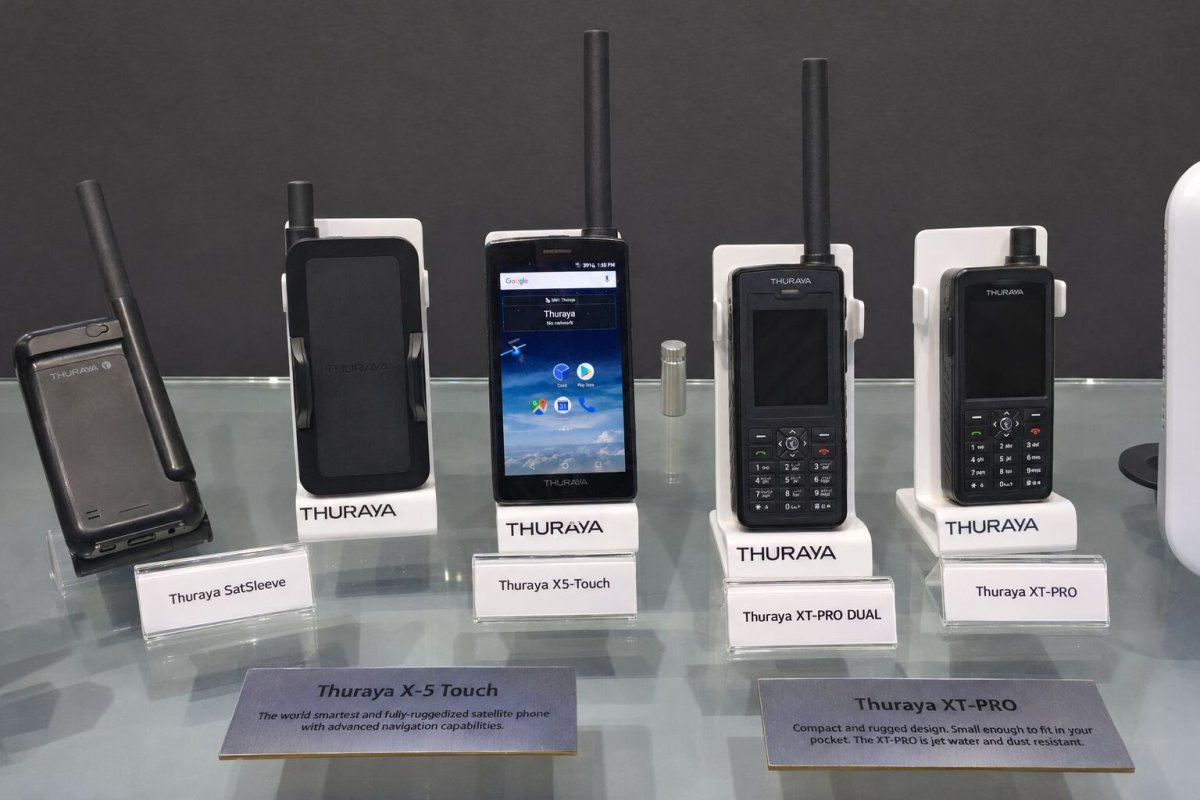
The ThurayaTwo represents a significant evolution from its predecessor, the Thuraya One. While the existing device supports satellite calls and SMS, the new model aims to expand satellite capabilities to include app-driven data and voice-over-IP (VoIP) applications. This move positions Space42 to compete more directly in the hybrid satellite-terrestrial communications market.
Key Specifications and Capabilities
According to the company statement, the ThurayaTwo will offer satellite data speeds of up to 120 kbps. In practical terms, this means transferring a 1 MB file would take approximately 67 seconds under ideal conditions, before accounting for protocol overhead or network interruptions. The device will also feature a larger battery (at least 4,500 mAh, removable) compared to the Thuraya One's 3,500 mAh, and will retain the 6.67-inch AMOLED display and IP67 water and dust resistance rating.
Space42 plans to release both commercial and government versions of the handset, though retail pricing and airtime tariffs have not yet been disclosed. The device will combine geostationary satellite links with terrestrial 4G/5G connectivity, allowing users to seamlessly switch between satellite and cellular networks.
Network and Market Context
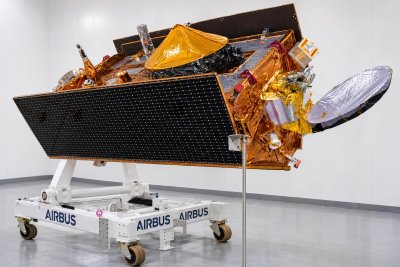
The Thuraya-4 network, which Space42 announced in November 2025, will underpin the ThurayaTwo's satellite services. This L-band system is designed to cover Europe, Africa, Central Asia, and the Middle East, providing a wide geographic footprint for the new device.
Industry analysts note that while the ThurayaOne already includes 5G, dual SIM support, Android 14, and a retractable satellite antenna, the key differentiator for the ThurayaTwo is its promised satellite app data capability. This would enable users to access data-driven applications beyond traditional voice and text, potentially opening new use cases in remote areas, maritime, and emergency services.
Challenges and Considerations
Despite the ambitious specifications, experts caution that real-world performance will depend on several factors. Satellite connections require a clear line of sight to the satellite, and obstacles such as buildings, trees, or indoor environments can disrupt service. The final operating instructions and sustained throughput will be critical to the device's practical usefulness.
Additionally, the rollout of the ThurayaTwo will depend on local sales and service availability in each market. While the UAE is the first target, Space42 will need to establish distribution and support networks across its broader coverage area to achieve widespread adoption.
Financial and Strategic Implications
For Space42, the ThurayaTwo represents a strategic bet on the growing demand for satellite-enabled devices, particularly in regions with limited terrestrial infrastructure. The company's partnership with APSI underscores the importance of international collaboration in satellite technology development.
Investors will be watching closely for further announcements regarding pricing, carrier partnerships, and additional market launches. The satellite communications sector has seen increased interest from both traditional telecom players and new entrants, driven by advances in low-earth orbit (LEO) and geostationary satellite technologies.
As of now, no independent test results for the finished ThurayaTwo handset have been published, and all specifications are based on company projections. The coming months will be crucial as Space42 moves from production to commercialization.