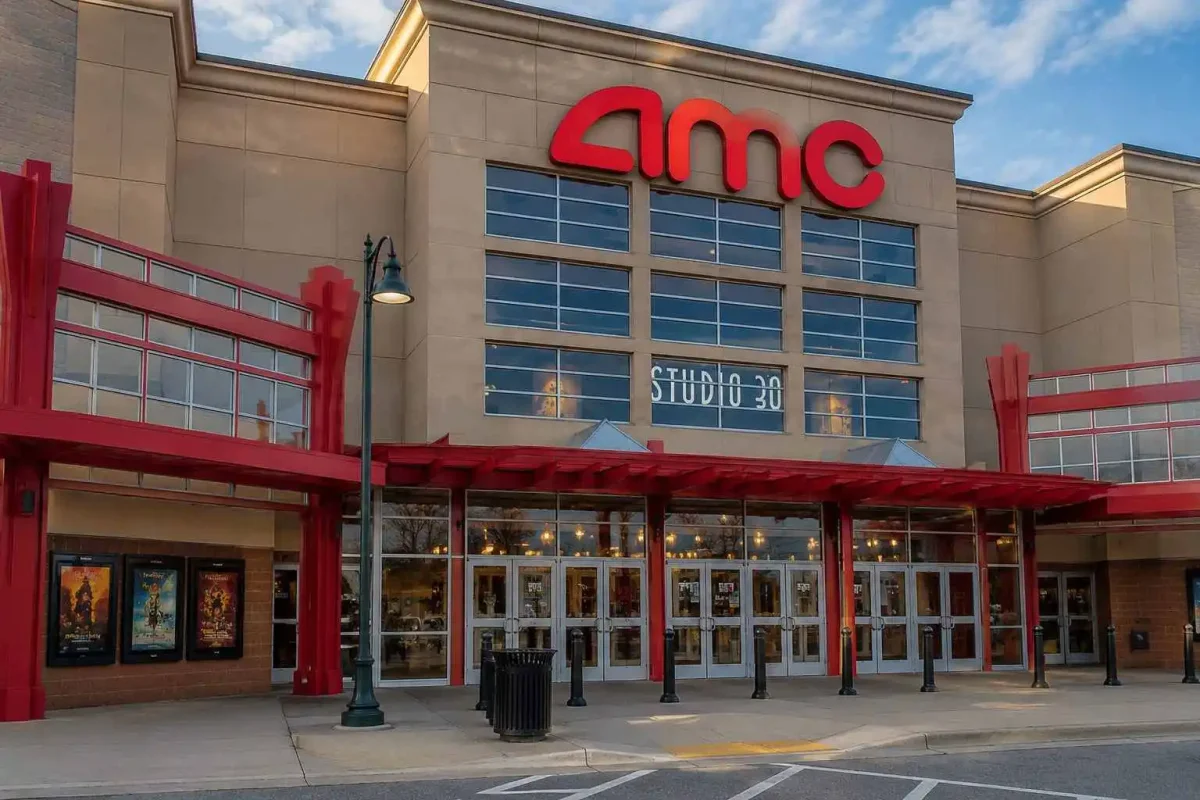
AMC Entertainment Holdings (NYSE: AMC) saw its shares drop sharply on Tuesday after the cinema chain unveiled a $200 million registered direct offering of 95.25 million Class A shares at $2.10 per share. The move rekindled investor anxiety over shareholder dilution, even as the company reported its busiest U.S. weekend of 2026 fueled by the release of Toy Story 5.
The offering, priced at $2.10 per share, is expected to generate net proceeds of approximately $189 million after placement agent fees. AMC plans to use the bulk of the funds—roughly $125.5 million—to redeem all of its outstanding 6.125% senior subordinated notes due 2027. The remaining capital will be allocated for general corporate purposes, including potential debt repayment, cash reserves, or theater investments.
Despite the positive box office momentum, with AMC welcoming more than 4.8 million guests across its U.S. and ODEON cinemas from Thursday through Sunday, the stock fell about 26%, trading near $2.06. The decline highlights persistent concerns over repeated equity raises, which have eroded per-share value over time. Investors have grown wary as AMC has turned to stock sales multiple times to chip away at its debt load.
Details of the Offering
According to a regulatory filing, the shares are being sold to institutional buyers through an existing SEC registration. The deal is expected to close on June 24, subject to customary conditions. Roth Capital Partners is acting as the exclusive placement agent, receiving a 5.5% cash fee on the gross proceeds. As part of the agreement, AMC has committed to a 45-day lock-up period, during which it will refrain from issuing or registering most new equity, with certain exceptions.
This latest capital raise follows a $150 million at-the-market (ATM) equity sale that concluded on June 11. In that transaction, AMC sold approximately 105.3 million shares, raising $150 million before commissions and fees. CEO Adam Aron had previously described that raise as a key step in the company's recovery, stating it “strengthens our balance sheet” while adding flexibility for long-term plans.
Market Reaction and Context
While AMC shares sank on the news, peers such as Cinemark and Marcus Corp. traded higher, and IMAX slipped less than 1%, suggesting the sell-off was company-specific. The offering may provide some relief if the note redemption reduces interest costs, but the dilution risk remains a significant overhang. AMC's longer-term recovery hinges on sustained movie attendance, ticket sales, and its ability to manage debt without repeatedly tapping shareholders.
The box office performance over the weekend, led by Toy Story 5 along with titles like Obsession, Disclosure Day, and Backrooms, demonstrates strong audience demand. “Audiences are showing up for a wide range of titles,” Aron said, emphasizing the breadth of appeal. However, the balance sheet concerns have overshadowed the positive operational news, underscoring the delicate balance AMC must strike between growth and financial stability.