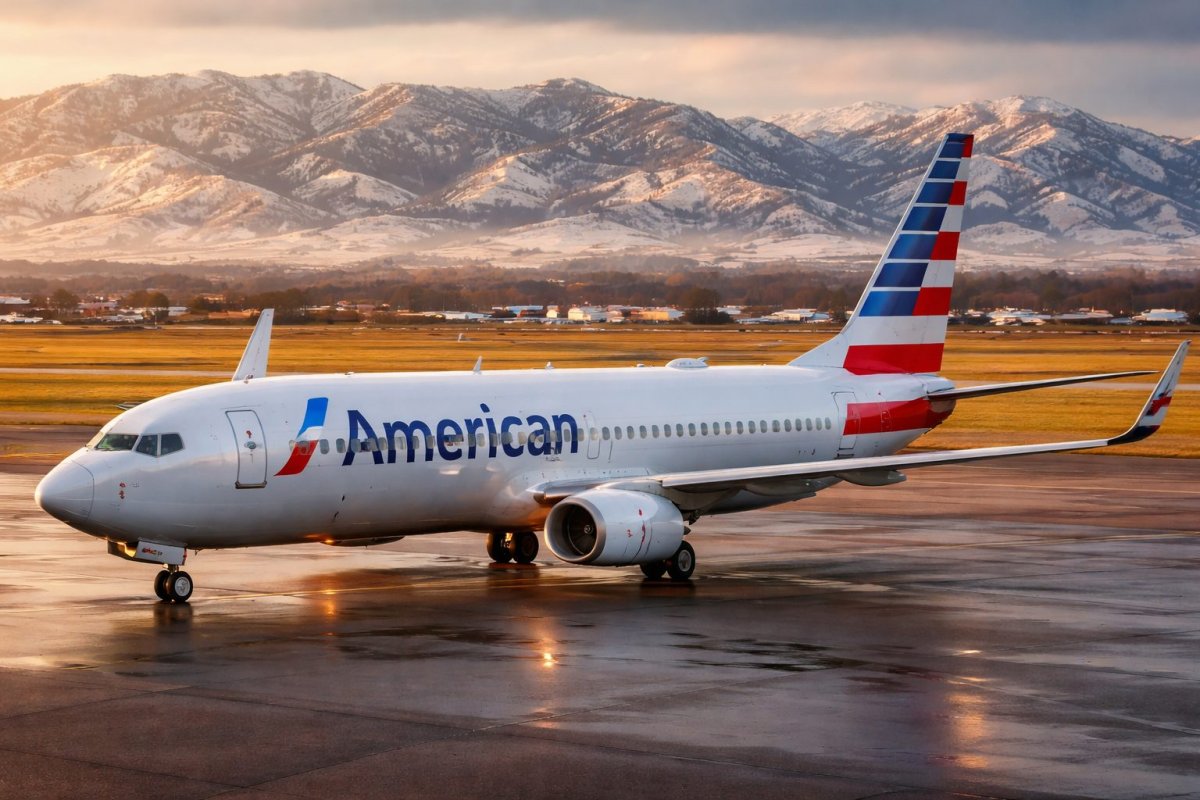
American Airlines Group Inc. has issued a firm denial regarding speculation of a potential merger with rival United Airlines Holdings Inc. The Fort Worth-based carrier stated it is not engaged in, nor has any interest in, discussions about a tie-up, emphasizing that such a consolidation would be detrimental to market competition and consumers. This statement, released late Friday, directly addresses reports that United's chief executive, Scott Kirby, broached the idea with former President Donald Trump in February.
Antitrust Hurdles and Market Concentration
The proposed merger would have faced intense regulatory scrutiny. According to data cited by Reuters, American and United were the world's two largest airlines by available capacity in 2025. A combined entity would have controlled approximately 40% of U.S. domestic flying capacity, raising significant antitrust concerns. Competition experts expressed deep skepticism about the deal's viability. William Kovacic of George Washington University's competition law center noted the substantial route overlap, calling the prospect "hopeless." Antitrust attorney Andre Barlow highlighted the risk of reducing the U.S. airline industry's "Big Four"—American, United, Delta, and Southwest—down to a "Big Three," creating a dominant market player.
Political and White House Stance
The White House has not endorsed the merger concept. Press Secretary Karoline Leavitt told reporters that neither President Trump nor the administration had formulated an opinion on the matter. Meanwhile, lawmakers focused on competition policy have begun voicing political opposition, signaling a challenging path for any such proposal in Washington.
Market Reaction and Financial Pressure
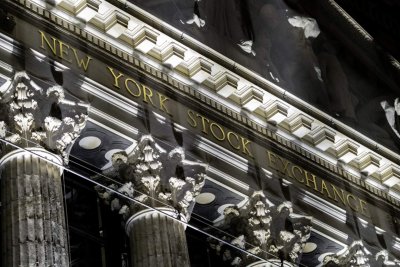
U.S. equity markets closed for the weekend following gains in airline stocks. American's last trade settled at $12.78, a 4.1% increase. United's shares jumped 7.1% to $101.80, while Delta Air Lines Inc. saw a 2.6% rise to $71.72. Despite the share price bump, American faces considerable financial challenges. The company carries a long-term debt burden of roughly $25 billion, which exceeds that of its larger competitors and limits strategic flexibility. Investors are keenly watching the airline's ability to narrow its profit gap with Delta and United while managing high fuel costs, debt, and an uneven recovery in business travel.
Immediate Focus: First-Quarter Earnings
With merger speculation dismissed, the immediate spotlight shifts to American's upcoming financial results. The company is scheduled to report its first-quarter 2026 earnings via webcast on April 23 at 7:30 a.m. Central Time. Analysts and investors will scrutinize key metrics including fare pricing, operational expenses, and the progress of management's standalone strategy. The earnings report follows the company's filing of a preliminary proxy statement on April 17, which outlines shareholder voting items and places corporate governance in focus.
Strategic Independence and Ongoing Risks
American Airlines has made its position clear: a merger with United is off the table. The more pressing challenge is demonstrating that its independent strategy can succeed in a fiercely competitive environment. The airline must prove it can navigate persistent headwinds such as volatile fuel prices and potential demand weakness. The coming days, culminating in the earnings release, will be a critical test for the carrier's leadership and its plan to deliver value to shareholders without the scale of a mega-merger.