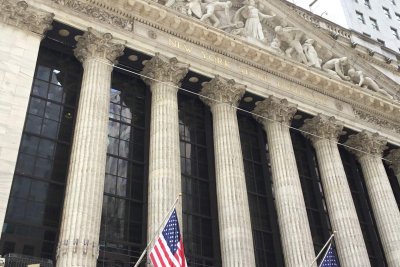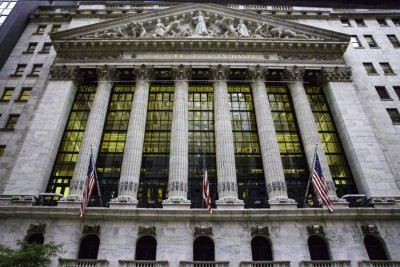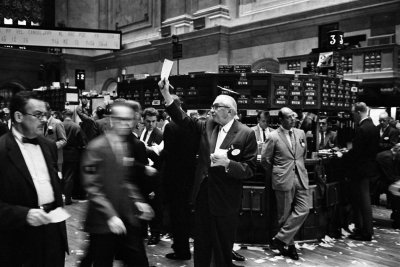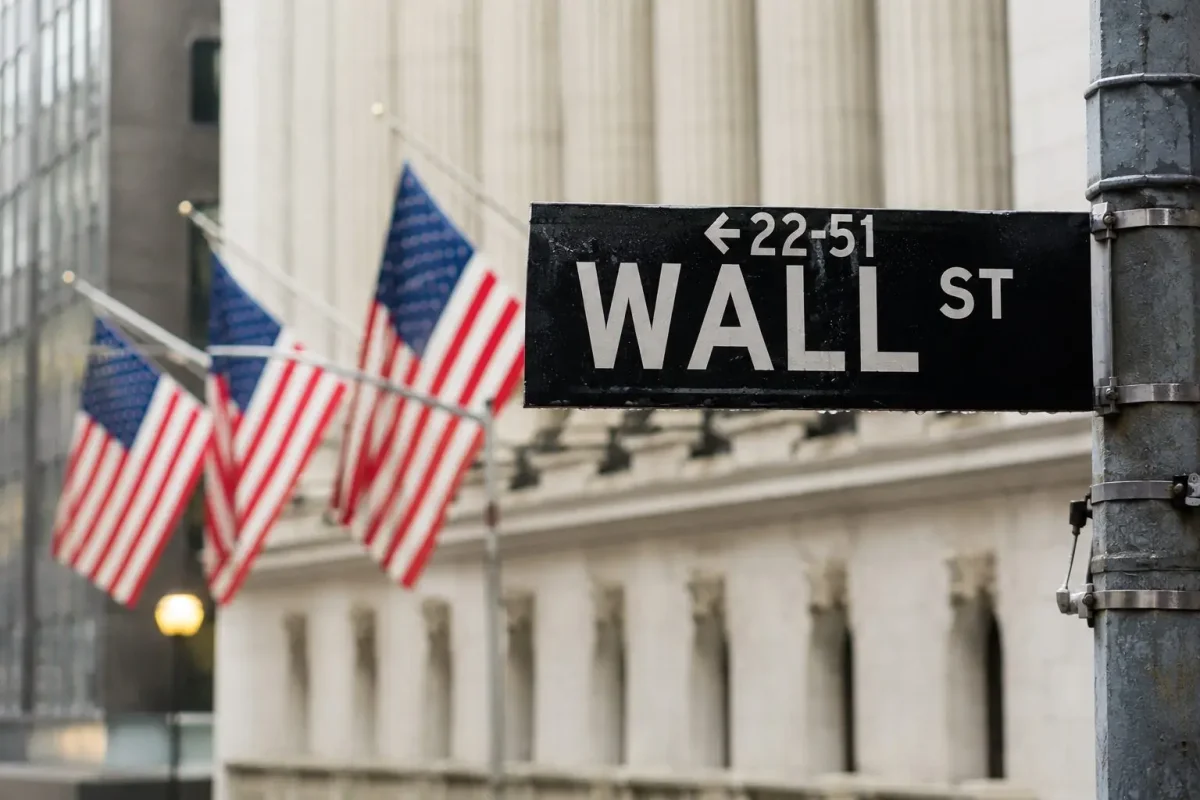
U.S. equity markets ended Tuesday with modest moves, as enthusiasm for artificial intelligence continued to drive select names while concerns over the massive capital expenditures required to build out AI infrastructure weighed on sentiment. The Dow Jones Industrial Average added 149.01 points, or 0.29%, to close at 51,227.89. The S&P 500 edged up 4.85 points, or 0.06%, to 7,604.81. The Nasdaq Composite slipped 13.96 points, or 0.05%, to finish at 27,072.85.
Tim Ghriskey, senior portfolio strategist at Ingalls & Snyder, described the session as “a mixed market today,” reflecting the tug-of-war between AI optimism and the financial realities of building out the necessary infrastructure. While buyers remained committed to AI-related names, companies with high spending needs faced headwinds, and geopolitical risks in the Middle East added to caution.
AI has been the primary catalyst driving major indexes to record highs, fueled by advances in software and semiconductors. However, the focus is increasingly shifting to the question of who will foot the bill for the data centers, servers, and power required to sustain the boom. “AI is in some cases, the only thing that’s working,” wrote John Belton, portfolio manager at Gabelli Funds, who expressed a desire for more portfolio balance beyond the tech-heavy concentration.
Hewlett Packard Enterprise (HPE) provided a bright spot, reporting a 40% surge in quarterly revenue to $10.7 billion. The Cloud & AI segment grew 22.9% year-over-year. CEO Antonio Neri cited “healthy demand across the business.” The results cover the quarter ended April 30. HPE competes with Dell Technologies and Super Micro Computer in the enterprise server space, with Reuters estimating Big Tech’s total AI spending this year at roughly $700 billion. Morgan Stanley analysts noted that HPE is seeing customers accept higher server prices, with “little evidence of demand destruction.”
In contrast, Alphabet (GOOGL) faced a sharp selloff after announcing plans to raise $80 billion through an equity offering, with $10 billion coming from Berkshire Hathaway. The funds are earmarked for AI infrastructure, as the company struggles to keep up with demand for its AI services. Steven Check, president and chief investment officer at Check Capital Management, noted that Berkshire is the “kind of shareholder that companies like to have.” Alphabet’s capital expenditure forecast for 2026 was raised to $180–$190 billion, underscoring the immense cost of the AI arms race. The stock dropped despite a rally in Marvell Technology, which was boosted by Nvidia CEO Jensen Huang’s comments about Marvell’s role in AI data-center networking.
Economic data helped limit losses. The Labor Department’s JOLTS report showed job openings at 7.6 million in April, up from the prior month. However, hires fell to 5.1 million, and total separations slipped to 5.0 million. Matthew Martin, senior U.S. economist at Oxford Economics, said “the labor market remains mostly stable,” but cautioned that rising oil prices from the Iran conflict could eat into incomes and slow hiring. Economists polled by Reuters expect Friday’s May payrolls report to show 85,000 new jobs, with the unemployment rate steady at 4.3%.
Oil prices added to inflation worries. Brent crude rose 1.1% to $96.00 a barrel, while U.S. West Texas Intermediate crude gained 1.7% to $93.76. Iran was reportedly reviewing a U.S. proposal to halt the conflict, but shipping through the Strait of Hormuz remained largely frozen. Ritterbusch and Associates noted that a full reopening “doesn’t appear much closer.”
Market internals showed a mixed picture. On the New York Stock Exchange, advancing stocks outnumbered decliners, and small-cap stocks outperformed large-caps, indicating continued investor appetite beyond mega-cap tech. However, on the Nasdaq, losers beat gainers, suggesting a more cautious mood beneath the surface.
Looking ahead, the market faces a delicate balance. Growth needs to be solid enough to support earnings, but any signs of overheating, particularly with rising oil prices, could reignite inflation fears and rate hike expectations. For now, AI demand remains robust, but the staggering spending required to sustain it is becoming increasingly difficult to ignore.