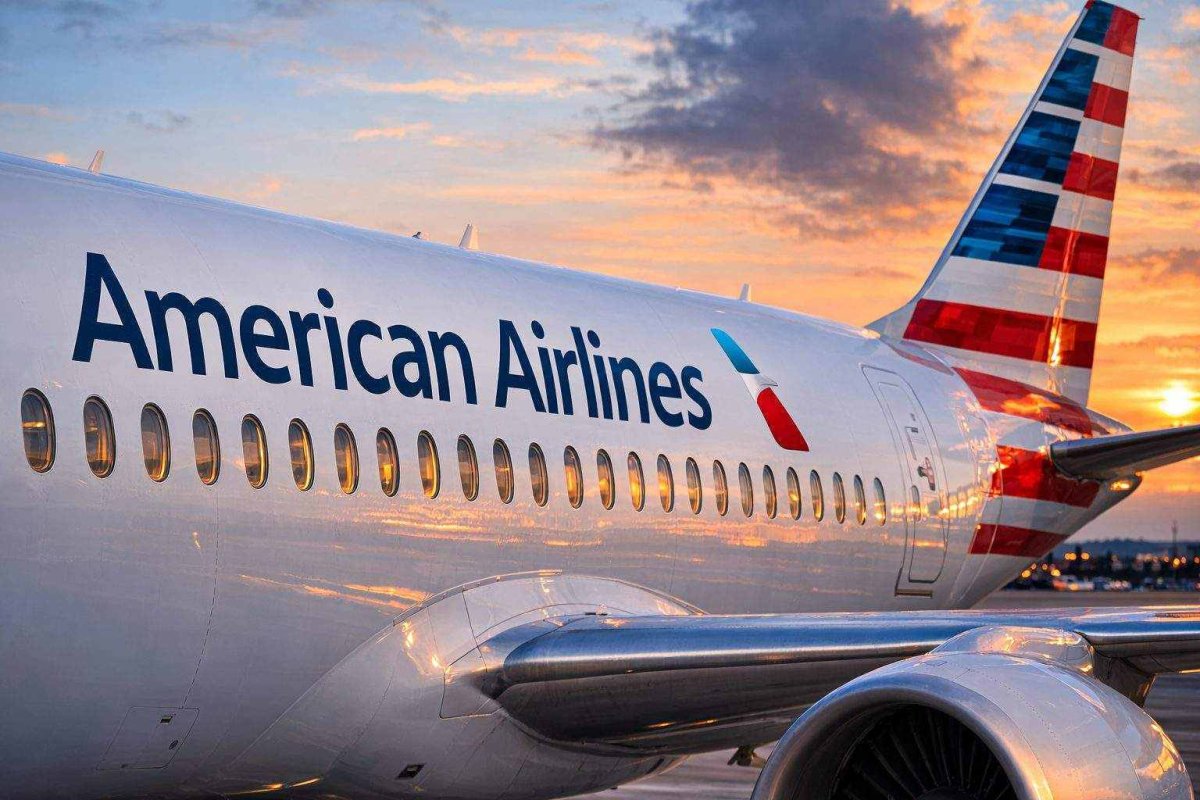
Shares of American Airlines Group Inc. traded lower in Wednesday's premarket session, relinquishing a portion of the prior day's gains. The decline coincided with broader pressure on airline and travel stocks following a higher-than-anticipated U.S. producer price index report and a continued ascent in crude oil markets.
Revised Guidance Highlights Revenue Strength
On Tuesday, the carrier revised its first-quarter revenue outlook upward, now anticipating a year-over-year increase exceeding 10%. This represents the company's most substantial quarterly revenue growth outside of the post-pandemic recovery period. American Airlines maintained its guidance for an adjusted quarterly loss per share, projected between 10 and 50 cents. However, management indicated results would likely trend toward the lower end of that range, assuming an average jet fuel price of approximately $2.75 per gallon.
The Fort Worth-based airline reiterated its full-year adjusted earnings forecast of $1.70 to $2.70 per share, initially provided in January. This outlook surpassed analyst expectations at the time, even after accounting for operational disruptions early in the year related to severe weather and a temporary federal government shutdown.
Demand Remains Robust Amid Cost Pressures
Chief Executive Officer Robert Isom informed investors that the current year has already produced eight of the airline's top ten days and weeks for bookings in its history. He expressed confidence that this robust demand environment would extend through the spring months of April and May.
Regarding network planning, Isom stated the company would remain "nimble" if fuel costs stay elevated, signaling a reluctance to aggressively expand capacity if it risks diluting fare pricing. The airline's strategy for 2026 emphasizes higher demand for premium seating, a recovery in corporate travel, and increased revenue from its loyalty program as critical drivers for improved profitability.
Industry-Wide Focus on Fuel and Pricing
The challenge of rising fuel expenses is an industry-wide concern. Rivals Delta Air Lines and United Airlines have also pointed to healthy booking trends. Delta CEO Ed Bastian cited demand as the central narrative for the quarter, while United's Scott Kirby suggested that if the current booking momentum continues, airlines could potentially offset the entire impact of higher fuel costs through revenue management.
Nevertheless, fuel remains a significant vulnerability. U.S. carriers have largely abandoned the practice of fuel hedging, which uses financial derivatives to lock in future fuel prices. This strategy is more common among European and Asian competitors, leaving American and its domestic peers more exposed to spot market volatility. The company estimates that each one-cent increase in the price of jet fuel adds roughly $50 million to its annual operating expenses.
Analysts, including Morgan Stanley's Ravi Shanker, do not anticipate a widespread return to hedging. Instead, U.S. airlines are expected to continue operating without hedges and attempt to pass sustained fuel price increases on to customers through ticket fares.
Competitive Dynamics in Key Hubs
Investors are monitoring competitive dynamics in major markets, particularly Chicago's O'Hare International Airport, where both American and United are increasing flight frequencies. Analysts have cautioned that heightened competition in such a critical hub could trigger fare wars, potentially undermining revenue gains even if passenger volume remains strong. Conor Cunningham of Melius Research noted that "competitive skirmishes are rarely contained," highlighting the risk that pricing power could erode.
The stock now sits at a crossroads, balancing an improved revenue trajectory against rapidly escalating input costs. The central question for American Airlines is whether it can successfully implement further fare increases to cover higher fuel bills without dampening strong consumer demand.
The broader market context includes a producer inflation report that exceeded forecasts, reinforcing concerns about persistent cost pressures in the economy. This environment continues to weigh on sectors with high operational leverage to commodity prices, such as airlines, even in the face of solid fundamental demand.