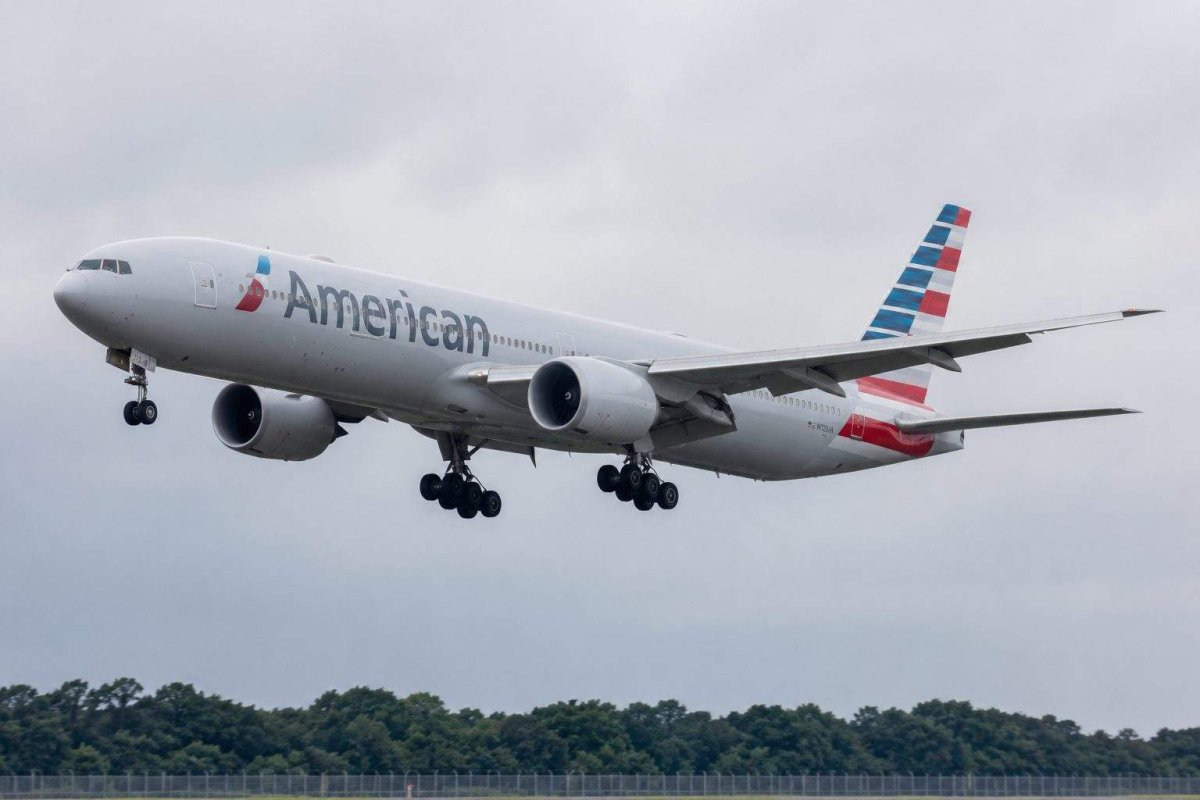
American Airlines Group Inc. (AAL) shares slipped 0.6% to $13.51 in premarket trading on Friday, giving back a small portion of Thursday's nearly 5% surge as the market refocuses on soaring fuel costs and the carrier's upcoming investor engagement.
The stock had closed Thursday at $13.59, outpacing other major U.S. carriers during a broadly positive session. Delta Air Lines (DAL) rose 2.1%, United Airlines (UAL) gained 1.7%, and Southwest Airlines (LUV) added 2.7%. However, American's early Friday decline underscores the persistent pressure from elevated jet fuel prices, which have become a central theme for airline earnings this year.
Brent crude oil climbed 3.2% to $105.88 per barrel by 0845 GMT on Friday, while U.S. West Texas Intermediate rose 2.6% to $98.88. Analysts at PVM Oil Associates described the market as "headline-driven," with traders closely monitoring U.S.-Iran nuclear talks for any potential breakthrough that could ease supply concerns. The lack of clear progress has kept crude elevated, directly impacting American's cost structure.
CEO to Address Wall Street Next Week
Chief Executive Robert Isom is scheduled to speak at Bernstein's Strategic Decisions Conference on May 27, providing a key opportunity to outline how the airline plans to manage the fuel-price shock. The company has already taken steps to mitigate the impact, including fare increases, fee adjustments, and capacity reductions. In April, American cut its 2026 adjusted earnings outlook to a range of a 40-cent loss to a $1.10 profit per share, citing more than $4 billion in additional fuel expenses this year.
Despite the headwinds, Isom has emphasized strong demand trends. He noted last month that the airline is "on track for another record in the second quarter" and still expects "modest profitability" for the full year, assuming current fuel prices hold. American reported record first-quarter revenue of $13.9 billion, though it posted a GAAP net loss of $382 million. Total debt stood at $34.7 billion, the lowest since mid-2015.
Revenue Growth vs. Fuel Pressure
Total unit revenue, a key metric measuring revenue per seat mile, rose 7.6% year-over-year in the first quarter. The company forecasts second-quarter revenue growth of 13.5% to 16.5%. However, the ability to pass on higher costs to customers remains uncertain. Reuters reported last month that American was recovering roughly half of its increased fuel costs in the second quarter and aims to improve that figure later in the year, assuming consumer acceptance of higher fares.
The broader market environment offers some support, with global stocks edging higher on Friday and U.S. stock futures gaining as investors weigh geopolitical developments. Yet, as Hargreaves Lansdown analyst Matt Britzman noted, "nobody really knows where these negotiations are heading," leaving airline stocks vulnerable to oil price swings.
With a long Memorial Day weekend approaching—U.S. markets will be closed Monday, May 25—traders face an extended period where oil headlines could move shares. Friday's modest dip suggests the market is waiting for clearer signals from Isom next week on whether revenue strength can outweigh the fuel cost burden. For now, American's stock remains caught between robust demand and the persistent pressure of a barrel of crude.