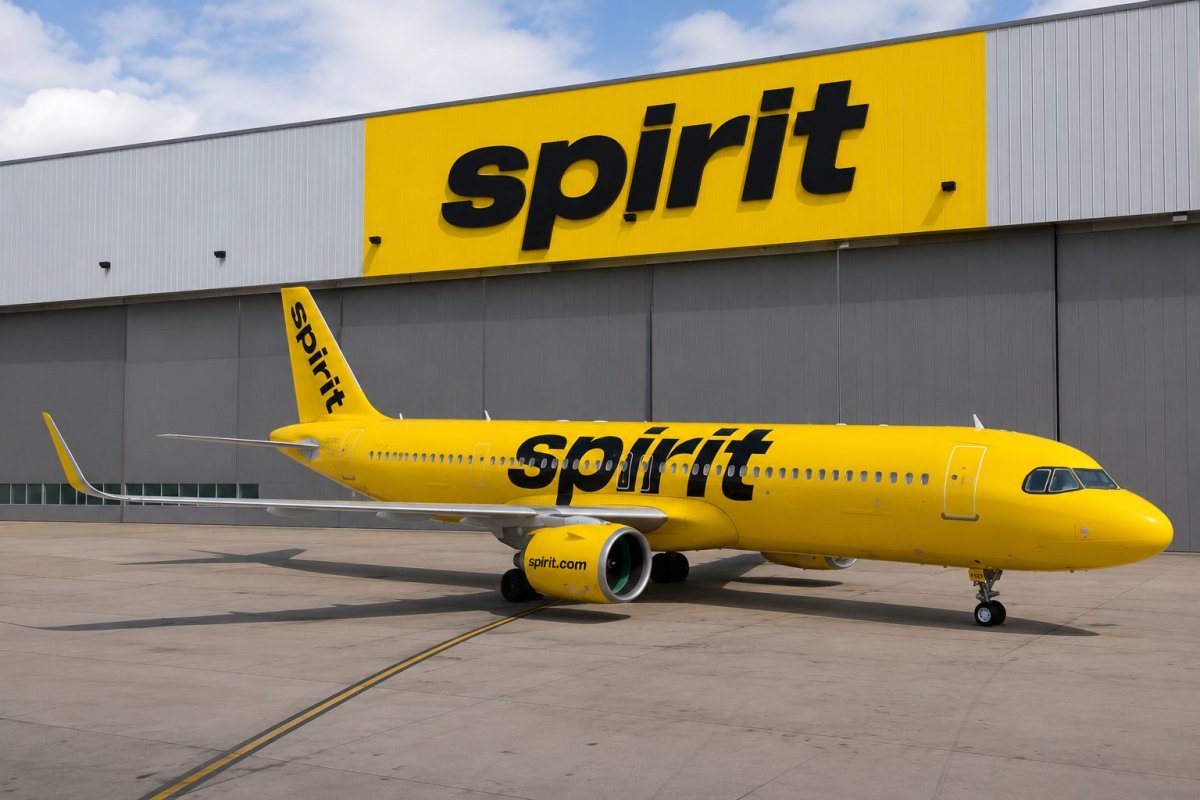
Spirit Airlines' sudden shutdown on May 2, 2026, is set to reshape the U.S. summer travel landscape, with industry experts warning that airfares could climb as the ultra-low-cost carrier's exit removes a key source of cheap seats just before Memorial Day. Spirit's lawyer, Marshall Huebner, apologized in bankruptcy court to travelers who may now be "priced entirely out" of air travel, acknowledging that many passengers relied on the budget carrier during its 34-year run.
Fuel Costs and Funding Gaps Trigger Collapse
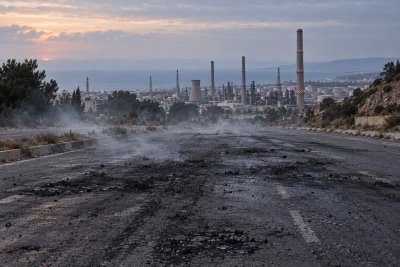
The carrier's demise was precipitated by a sharp rise in jet fuel costs linked to the Iran conflict, which left Spirit without the additional funding needed to continue operations. Chief Executive Dave Davis stated that the fuel-price jump left the airline with "no alternative" but to shut down, as keeping the carrier flying would have required hundreds of millions of dollars it did not have. Spirit began an orderly wind-down on May 2, canceling all flights and advising customers not to go to airports.
Rivals Rush to Fill Gaps
Competitors are moving quickly to capture Spirit's routes. JetBlue announced it will add 11 destinations from Fort Lauderdale-Hollywood International Airport and increase flights on existing routes, while offering a loyalty-status match to eligible Spirit Free Spirit Silver and Gold members. JetBlue President Marty St. George said the airline was "stepping up for Fort Lauderdale" to preserve air service in the market. However, JetBlue is also cutting 11 routes elsewhere, including a full pullout from Manchester-Boston Regional Airport, as it redeploys aircraft toward South Florida.
Frontier Airlines is also expanding, already serving more than 100 routes previously flown by Spirit and planning to add nine routes and 15 daily flights across 18 former Spirit markets this summer. Frontier's chief commercial officer, Bobby Schroeter, noted that Spirit had helped expand access to affordable travel and that Frontier is offering discounted fares to affected customers.
Breeze Airways has moved quickly at Atlantic City International Airport, where Spirit accounted for about 75% of flights. Breeze launched its first flight from the airport days after Spirit shut down and plans to add nonstop routes to Orlando, Myrtle Beach, Fort Myers, and West Palm Beach.
Broader Pressures on Low-Cost Flying
The challenges facing budget carriers extend beyond Spirit's collapse. Shye Gilad, a former airline captain who teaches at Georgetown University, explained that dynamic pricing—using algorithms to adjust fares by demand—has eroded one of low-cost carriers' last advantages. Major airlines can now offer a few bare-bones seats at Spirit-like prices while charging more for standard and premium seats on the same plane, leaving pure discount carriers like Spirit vulnerable. "They can't just be the cheapest airline anymore," Gilad said.
This structural shift leaves larger carriers like American, Delta, and United in a stronger position, as they can offset fuel costs through premium cabins, loyalty programs, corporate travel, and fees. Spirit's failure has also revived a policy fight over antitrust, with JetBlue's planned $3.8 billion purchase of Spirit blocked in 2024. Reuters Breakingviews noted that the deal raised concerns about shrinking the budget market while also recognizing that Spirit, without a partner, would struggle against the major players.
Outlook for Summer Travel
The route grab by competitors is not a clean fix. Budget carriers face the same fuel shock that pushed Spirit over the edge, and an industry request for $2.5 billion in temporary federal aid for value airlines was rejected after opposition from Airlines for America. If fuel prices remain high or rivals focus only on profitable markets, smaller airports and lower-income flyers could see fewer seats and higher fares. The next fight is over Spirit's assets, including takeoff-and-landing rights at major airports like New York's LaGuardia, where some slots could be worth up to $87 million, according to The Wall Street Journal. Spirit said customers who bought tickets directly with a credit or debit card will receive automatic refunds, while other claims will move through the bankruptcy process.