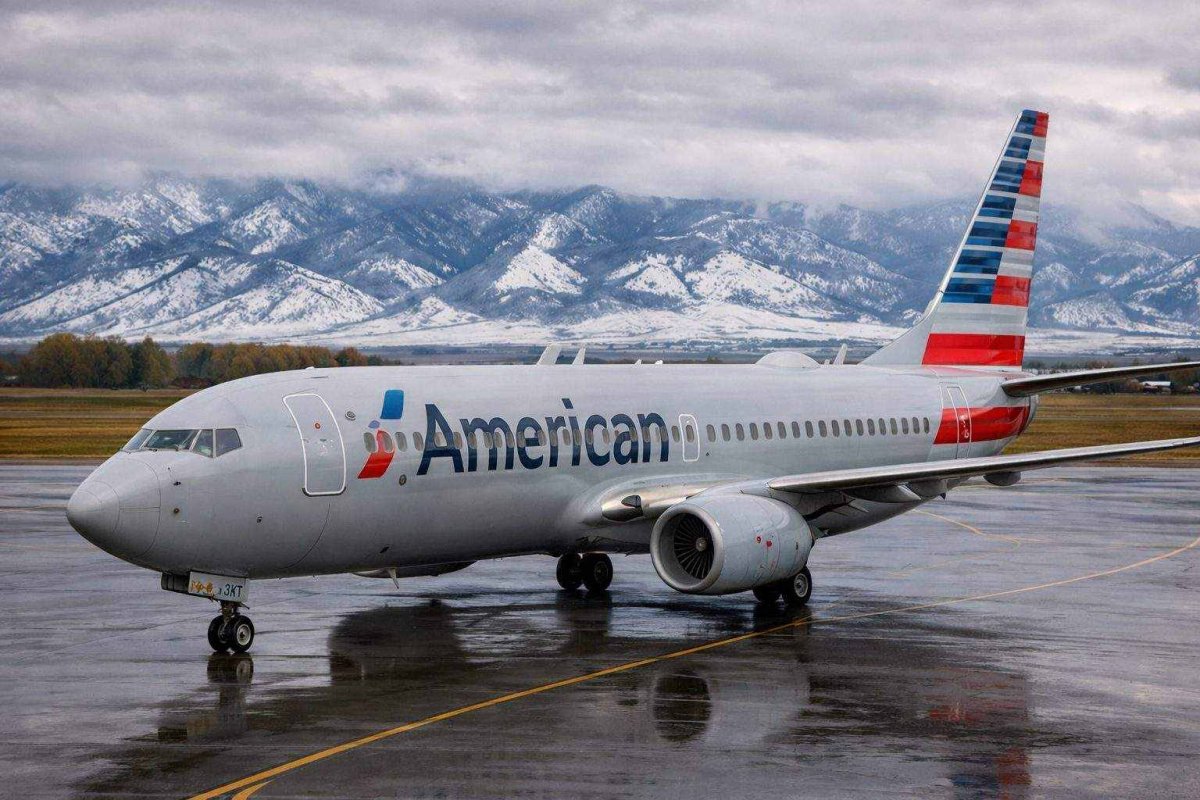
Shares of American Airlines Group Inc. retreated sharply in late trading Friday, closing down roughly 3.9% at $10.30. The decline outpaced broader market weakness as the airline sector faced renewed selling pressure amid a significant spike in crude oil prices. The sell-off was not isolated to American, with rivals Delta Air Lines, United Airlines Holdings, and Southwest Airlines all posting notable losses for the session.
Fuel Price Surge Threatens Quarterly Guidance
The downturn arrives at a critical juncture for American Airlines. In a regulatory filing dated March 17, 2026, the company projected its first-quarter revenue would increase more than 10% compared to the prior year. However, it simultaneously raised its assumed average price for jet fuel to approximately $2.75 per gallon. Management cautioned that this increased cost would likely pull its quarterly results toward the lower end of its previous estimated range, which anticipated an adjusted loss per share between 10 and 50 cents.
Speaking at a JPMorgan industry conference that same day, Chief Executive Robert Isom affirmed that consumer demand for air travel remains robust. He estimated a year-over-year revenue increase of about $1.3 billion for the quarter. Despite this strength, Isom disclosed that fuel expenses had added a staggering $400 million to the company's first-quarter costs in just the preceding seven weeks. He expressed confidence in the airline's resilience, stating American was "built for times like this," and projected the company would end the quarter with roughly $10 billion in total liquidity and its debt at a decade-low level.
The Cost Structure Challenge
Fuel consistently ranks as the second-largest operating cost for airlines, trailing only labor, and typically constitutes 20% to 25% of total expenses. American Airlines does not engage in fuel hedging, a strategy that can lock in prices. According to recent regulatory documents, for American, a one-cent increase per gallon in the price of jet fuel translates to an additional $50 million in annual costs.
This exposure partly explains the market's historical preference for competitor Delta Air Lines. Data from the week of March 20 showed North American jet fuel averaging close to $179 per barrel, while Brent crude oil traded around $110. Analysts, including Nicolas Owens from Morningstar, have noted that Delta's ownership of a refinery provides a strategic advantage, allowing it to "mute the impact" when the price spread between crude oil and refined jet fuel widens.
Strong Demand Offsets, But Margins Are Thin
A potential counterbalance to rising costs is sustained passenger demand. Industry reports from last week indicated that U.S. carriers have so far been successful in raising fares to compensate. United Airlines CEO Scott Kirby recently described the revenue environment as "really strong," suggesting airlines could currently offset "100%" of the fuel cost increase through pricing. American has been aggressively pivoting its strategy toward premium cabins, corporate travel, and loyalty program revenue in an effort to close the competitive gap with Delta and United.
Nevertheless, American enters this period of cost pressure with notably slimmer profit margins than its main rivals. In February, it was reported that American posted an adjusted pre-tax profit of roughly $352 million for the full year 2025. This figure lagged far behind Delta's nearly $5 billion and United's $4.6 billion. This profitability gap has provided labor unions with increased leverage in negotiations with management, leaving the company more vulnerable to any unforeseen financial shocks.
The Wild Card: Consumer Sentiment
The ultimate variable in this equation is the strength of travel demand. A report on Friday highlighted that U.S. consumer sentiment dipped to a three-month low in March. Separate analysis has suggested that prolonged geopolitical conflict and elevated energy prices could eventually challenge even the largest U.S. airlines if household budgets and corporate travel departments begin to tighten spending.
For now, the market appears to be evaluating American Airlines primarily through the lens of rising fuel costs, with its impressive revenue recovery taking a secondary role. Friday's stock movement made it clear: investors are seeking more concrete evidence that the company's demand-driven growth can fully neutralize the impact of its increasingly expensive fuel bill.