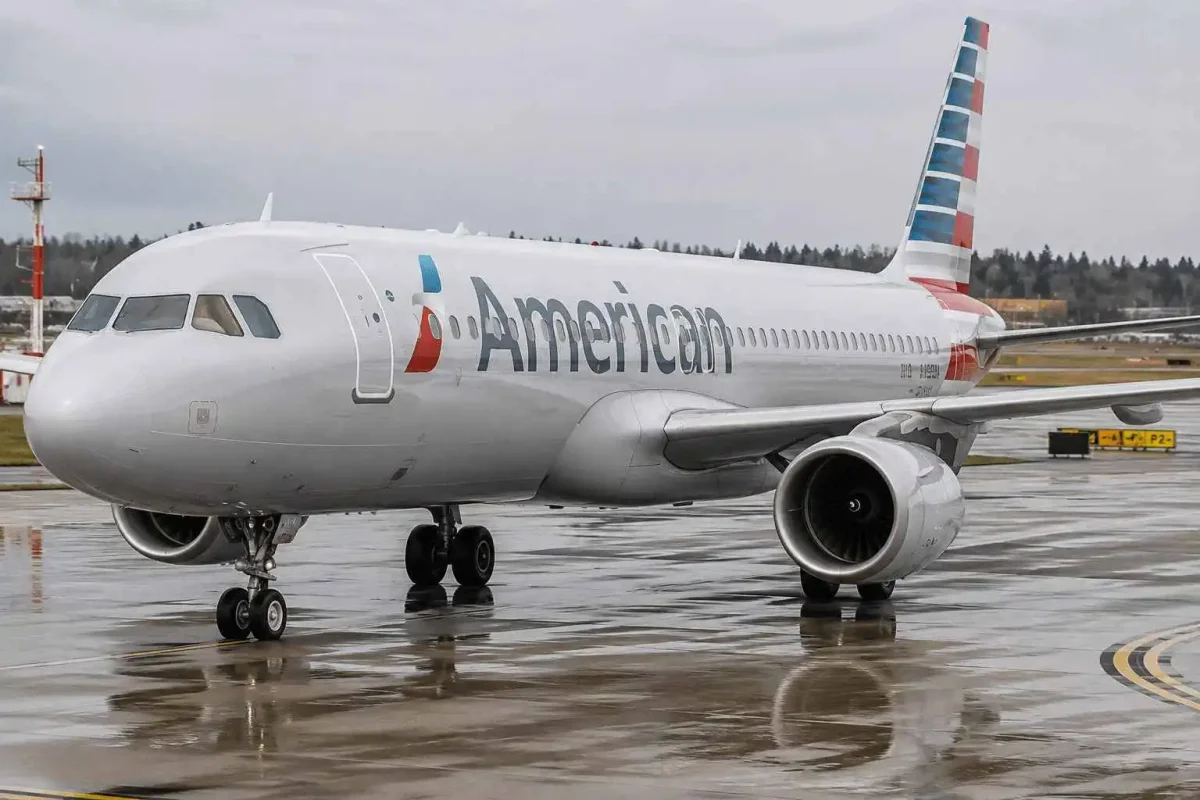
American Airlines Group Inc. (NASDAQ: AAL) saw its stock price recover on Monday as Brent crude oil prices slid roughly 9%, offering some relief to the carrier's heavily fuel-dependent cost structure. However, the bounce does little to resolve the underlying pressure from elevated fuel expenses, which continue to overshadow the company's financial outlook.
The airline's shares closed at $14.95, up 3.3% from Friday's close. The gain came after a sharp drop in oil prices, but the stock remains 2.2% below its level from the prior Tuesday. The recovery reflects a temporary reprieve rather than a structural fix, as fuel costs remain a dominant factor in American's earnings performance.
Fuel Cost Sensitivity
American Airlines has no active fuel hedges as of June 30, leaving it fully exposed to fluctuations in jet fuel prices. According to the company, a one-cent per gallon increase in fuel costs adds approximately $46 million to annual expenses. A 10-cent increase would add roughly $460 million, equivalent to about 4.6% of American's $9.9 billion market capitalization. Since early July, expected fuel expenses through year-end have climbed by nearly $1.6 billion, representing 16.2% of the company's current market value.
Second Quarter Earnings Impact
The second quarter highlights the strain fuel costs have placed on profitability. While operating revenue rose 16.3% year-over-year to $16.7 billion, fuel expense surged 83.3% to $4.9 billion. Fuel accounted for 29.3% of revenue, up from 18.8% a year earlier. Pretax income fell from $838 million to $107 million, and net income dropped from $599 million to $71 million. The pretax margin contracted from 5.8% to approximately 0.6%.
Revenue growth was broad-based, with managed corporate revenue up 26% for a fifth consecutive quarter of double-digit growth, premium unit revenue advancing over 13%, and AAdvantage sign-ups jumping more than 30%. However, the fuel cost increase essentially matched the revenue gain, neutralizing much of the operational improvement.
Outlook and Guidance
Chief Financial Officer Devon May noted that just three weeks before the earnings report, the company expected to guide to full-year pretax earnings approaching $1.5 billion. Instead, American now forecasts an adjusted full-year loss of 65 cents per share to a profit of 65 cents, with a midpoint of zero. For the third quarter, the company projects an adjusted loss between 70 cents and 10 cents per share, with revenue expected to increase 16% to 19%.
In contrast, Delta Air Lines (NYSE: DAL) kept its annual profit guidance unchanged, and United Airlines (NASDAQ: UAL) raised its minimum forecast. American's weaker guidance reflects its greater exposure to fuel price volatility due to the lack of hedging. The company also reduced its third-quarter capacity growth forecast to between 3% and 5%, two percentage points lower than previously planned at the midpoint.
Key Risks Ahead
Oil prices could recover, and jet fuel spreads may remain elevated. Demand could soften before higher ticket prices fully offset the additional costs. Without hedges, American faces both upside and downside risk from fuel price moves. The company ended June with $11.3 billion in liquidity.
The investment case remains heavily focused on fuel dynamics. While American is seeing improved revenue quality, earnings are still largely driven by cents per gallon. The key question is whether the recent oil price decline will translate into lasting relief for the airline's fuel costs.