Apple is reportedly developing a gaming controller for the iPhone under its Beats brand, according to a Sunday report from Bloomberg. The project, which has been in development for over a year, is said to include haptic feedback and is aimed at a market currently served by third-party accessories. However, neither Apple nor Beats has officially confirmed the product, pricing, or release date, leaving investors with more questions than answers.
The distinction between active engineering and a confirmed product is crucial for investors. While there is evidence of development, there is no disclosed product to incorporate into revenue models. The report follows a separate discovery in the first macOS 26.7 release candidate, which revealed two dedicated GameController profiles, identified as T6502 and T1057. These profiles, which identified themselves as Apple hardware, described conventional controls including a directional pad, thumbsticks, shoulder buttons, and analog triggers. The profiles also included hardware plug-ins for handling inputs and haptic systems.
Technical analysis from MacRumors forum documented that the T6502 profile appeared to be a USB-only design without motion sensors, while the T1057 profile supported USB, Bluetooth, an accelerometer, and a gyroscope, with one of its USB identifiers belonging to Beats. The public macOS build comparison shows that both profiles were removed in a subsequent build, which could indicate secrecy before a launch, abandoned prototypes, or internal test equipment. This ambiguity does not settle the question of whether a commercial product is imminent.
Bloomberg's reporting makes a planned commercial product more plausible and identifies Beats as the intended label. The code suggests at least two controller configurations, but it does not reveal their appearance, retail price, or whether both versions will ship. Images circulating with the reports are illustrations or existing third-party controllers, not photographs of Apple's unannounced hardware.
The economic case for a first-party controller lies in Apple's services ecosystem. Apple does not need a controller to make its devices compatible with games; its Apple Games app already supports third-party controllers from Xbox, PlayStation, and other Made for iPhone manufacturers. Therefore, a first-party controller must improve the ecosystem rather than merely fill a hardware gap. Faster pairing across Apple devices, dependable haptics, integration with the Games app, and a credible catalogue of controller-first titles would be more consequential than accessory sales alone. None of these differentiators have been confirmed for the reported Beats project.
Apple's latest financial results illustrate the potential value of such a move. In the quarter ended June 27, Services generated $30.739 billion in revenue, up 12% year-over-year, with a 75.6% gross margin. In contrast, Products generated $78.678 billion at a 40.1% gross margin. Services accounted for 28.1% of total sales, according to TS2's calculation. Hardware that enhances game discovery, App Store spending, or subscription retention could be worth more than its own checkout revenue.
However, this is a framework, not a forecast. Apple does not disclose gaming, Apple Arcade, or game-controller revenue, and it said the latest Services increase was driven mainly by advertising and cloud services. The Wearables, Home, and Accessories category, which would likely house a controller, rose 6% to $7.883 billion, but Apple has not stated how it would classify the proposed device.
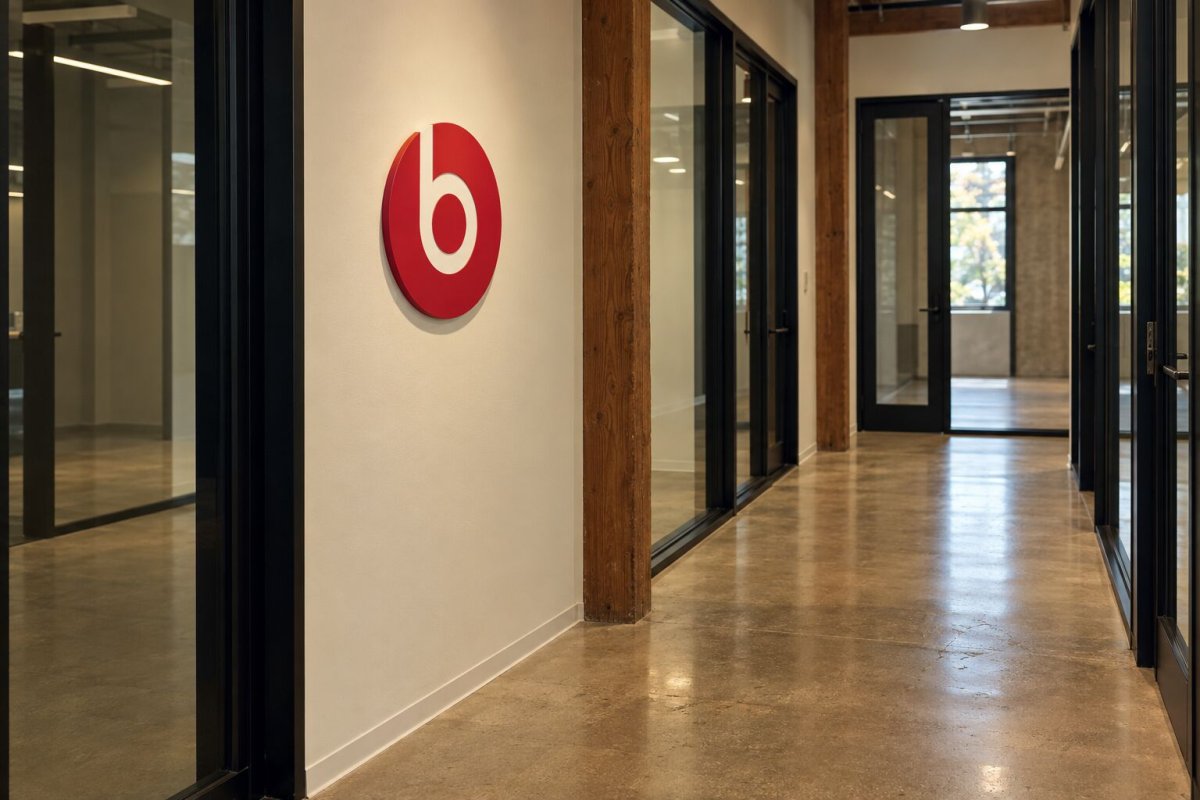
Beats has at least been given permission to explore beyond audio. During a July tour of its Culver City engineering operation, executives told TechRadar that the brand had widened the range of categories it explores, citing cases and cables as examples. A controller would push that expansion further while keeping a lifestyle label between Apple and a crowded gaming-accessory shelf.
The strongest objection is simple: owners may prefer controllers they already have, and Apple has investigated gaming hardware before without shipping it. AAPL closed Friday at $332.24, up 1.7%, according to Nasdaq historical data; Sunday's report arrived after that move. Until Apple confirms a product, price, and game strategy, the controller belongs in the category of possible engagement upside, not an earnings estimate.