Apple Inc. (AAPL) is preparing to increase prices on select products as the cost of memory and storage chips continues to climb, driven by surging demand from AI data centers. Chief Executive Tim Cook described the price rises as “unavoidable” in an interview with The Wall Street Journal, marking a clear signal that the AI infrastructure boom is now impacting consumer electronics.
Memory Chip Squeeze
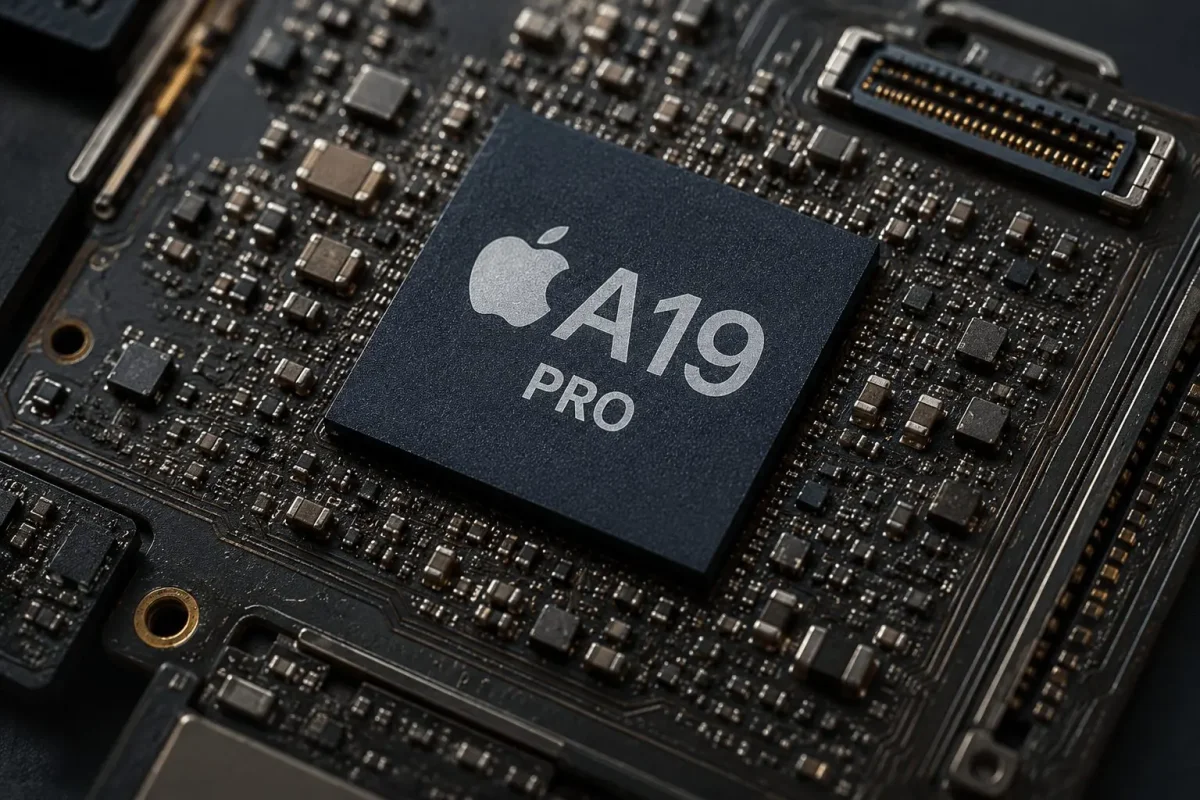
The price pressure stems from a global shortage of dynamic random-access memory (DRAM) and high-bandwidth memory (HBM), both critical components in AI servers. These chips are being diverted away from consumer products like smartphones and PCs, creating a supply crunch. Cook noted that more supply is being directed toward HBM, a faster and pricier variant of DRAM used in AI data centers.
Industry groups representing automakers, retailers, and electronics companies recently warned U.S. officials that the shortage could drive up household prices and disrupt supply chains. Apple’s move aligns with similar actions by HP, Dell, and Nintendo, which have already raised prices due to rising component costs.
Micron Surges
Micron Technology (MU) shares jumped 8.8% to $1,135.41 on Thursday, as investors interpreted Apple’s warning as a positive for memory suppliers. Apple’s stock rose 0.5% to $297.56. Analysts were quick to revise their targets for Micron. Deutsche Bank’s Melissa Weathers raised her price target to $1,500 from $1,000, predicting DRAM tightness could last “well into 2028.” Citi’s Atif Malik increased his target to $1,200, expecting DRAM average selling prices to jump 200% in 2026.
Memory suppliers such as Samsung Electronics (SSNLF) and SK Hynix are also benefiting from the tight supply and AI-fueled demand.
Impact on Apple
Apple has not specified which products will see price increases, when changes will take effect, or the magnitude of any hike. However, the company is expected to pass on some of the higher costs to consumers rather than absorbing them entirely. According to TechInsights, Apple might need to raise the iPhone Pro’s price by approximately $270 to maintain profit margins.
Cook indicated that Apple plans to use its balance sheet to manage supply constraints but ruled out building its own memory factories. He also addressed U.S. restrictions on working with Chinese memory suppliers, stating that “everything needs to be on the table” and that Apple should “look at all supply.”
Market Context
Apple’s March-quarter revenue reached $111.2 billion, up 17% year over year, with diluted earnings per share of $2.01, a 22% gain. The tight memory supply now poses a pricing dilemma: how much can Apple push prices before consumer demand cools? If consumers reject higher prices, Apple could face a choice between lower sales volumes or compressed margins.
Analysts caution that the memory shortage could persist, with some expecting DRAM tightness to extend into 2028. However, if supply eases sooner than anticipated, Apple’s price hikes could appear premature. The company’s ability to source chips from China is also limited by national security regulations, adding further complexity.
Investors are closely watching how Apple navigates this challenge, as the world’s largest consumer electronics company signals that even it cannot fully shield customers from the ripple effects of AI-driven demand.