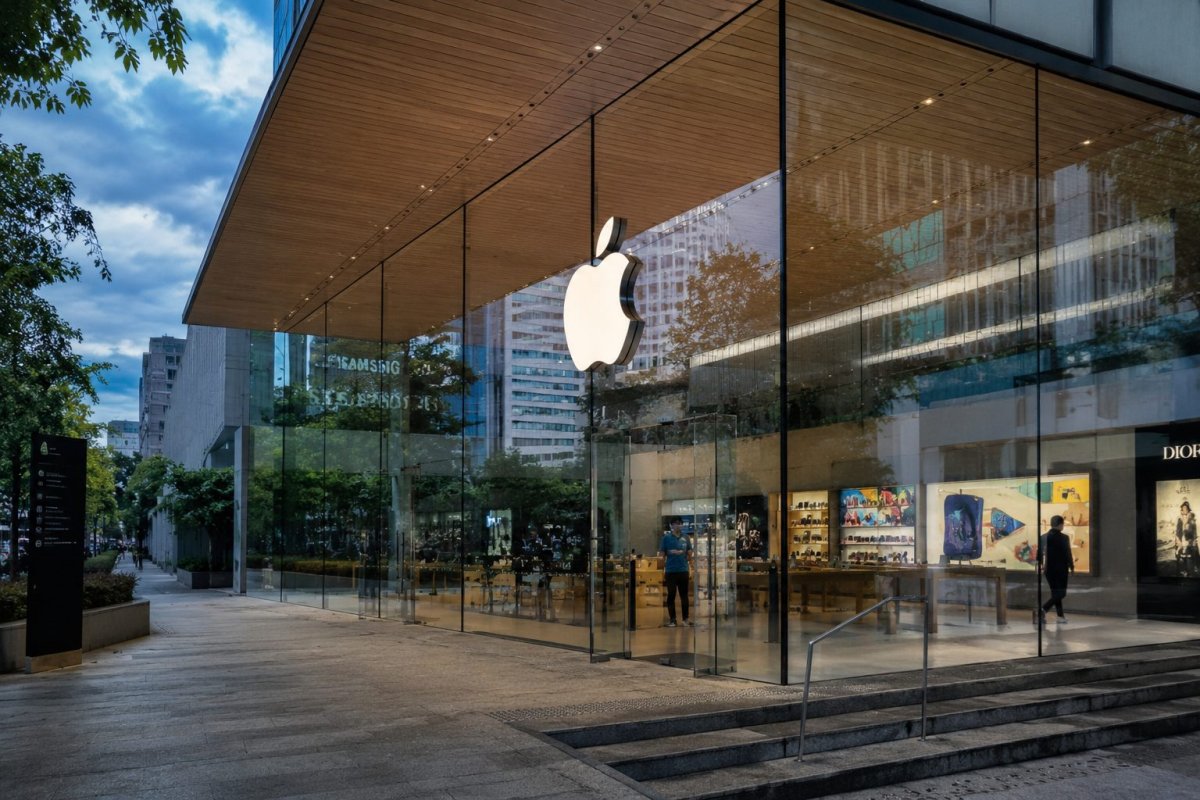
Apple Inc. (NASDAQ: AAPL) shares traded near $284.34 in premarket action Monday, holding onto a 3.14% gain from Friday that saw volume spike to 506% of the 65-day average. The stock's resilience comes as investors weigh the potential EPS boost from a massive $100 billion buyback against mounting memory cost pressures and geopolitical risks tied to a proposed Chinese chip supplier.
Buyback Mechanics and EPS Support
At Friday's close of $283.78, Apple's new buyback authorization would repurchase approximately 352 million shares, reducing the float by about 2.4% from 14.69 billion shares outstanding. This follows $36 billion in buybacks over the six months through March 28, during which Apple acquired 135 million shares at an average price of $266.67. The current price sits 6.4% above that average, suggesting the buyback has provided meaningful support.
Memory Cost Crisis and CXMT Lobbying
The buyback comes as Apple faces a severe DRAM supply crunch. CEO Tim Cook told Reuters the company is 'willing to use our balance sheet to help be a part of the solution' but ruled out building its own memory plants. Apple has been lobbying the Trump administration for approval to purchase chips from ChangXin Memory Technologies (CXMT), a Chinese firm on the Pentagon's blacklist. Reuters reported Saturday that Apple approached the Commerce Department over a month ago.
Meanwhile, CXMT has secured a $2.94 billion (20 billion yuan) server DRAM supply deal with Tencent Holdings (HKG:0700), signaling strong domestic demand. UBS data shows DRAM contract prices surged nearly 95% quarter-on-quarter in Q1, with the global memory market projected to reach $786 billion this year and $1.2 trillion by 2027.
Supply Constraints and Price Hikes
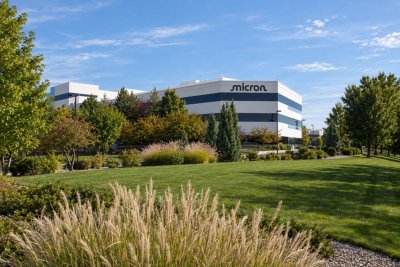
Micron Technology (NASDAQ: MU) last week projected quarterly results above Wall Street estimates, citing $22 billion in locked-in customer orders. CEO Sanjay Mehrotra stated that 'DRAM and NAND industry demand continues to significantly exceed industry supply,' with the squeeze potentially lasting past 2027.
Apple has begun passing costs to consumers. The Associated Press reported price increases across Mac and iPad lines: the MacBook Neo rose to $699 from $599, the 512GB MacBook Air to $1,299 from $1,099, and the 1TB MacBook Pro to $1,999 from $1,699. 'We have never seen a component price increase this much, this quickly,' Apple said in a statement.
IDC analyst Nabila Popal warned that iPhone Pro and Pro Max price hikes could reach $200, adding, 'I think the days of $50 price increases are over.'
Investor Sentiment and Valuation
Despite the headwinds, analysts remain bullish on Apple's ecosystem. Wedbush's Dan Ives told Business Insider that Apple can raise prices without losing many users, while Deepwater Asset Management's Gene Munster noted that a $200 Mac price increase amounts to just $3.70 per month over the average device lifespan.
Apple currently trades at 34.33 times earnings, leaving limited room for error if demand falters. With the stock down 4.45% for the week and 7.36% for the month, investors are monitoring three key variables: unit demand, memory costs, and the pace of share repurchases.
Market Context
Nasdaq 100 futures rose 0.8% early Monday as U.S. indexes stabilize after a five-day tech slide. The NYSE will close Friday for Independence Day. Apple's premarket quote of $284.34, up 0.20%, suggests the stock is consolidating near its Friday range of $274.21 to $285.95.