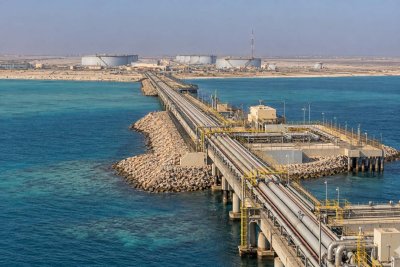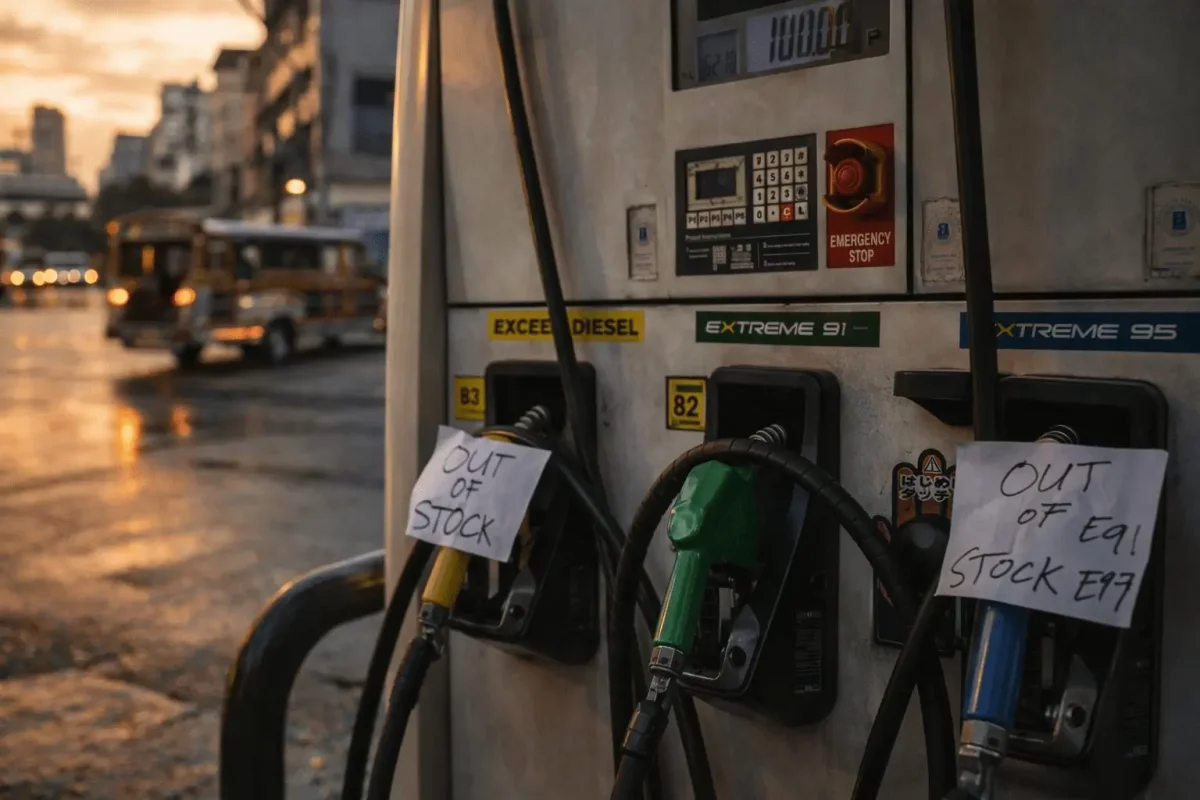
Governments across Asia implemented a series of emergency measures on Monday, April 6, 2026, as sustained disruptions to shipping through the Strait of Hormuz continued to drive fuel and transportation costs higher. The vital maritime chokepoint remains a focal point of geopolitical tension, though diplomatic efforts for a ceasefire between the United States and Iran offered a glimmer of hope for a potential reopening.
Economic Toll and Regional Response
The economic stakes are immense for Asia, which relies on the strait for approximately 80% of its oil imports. Early indicators show manufacturing momentum slowing in several economies, including Indonesia, Vietnam, Taiwan, and the Philippines. The Bank of Japan warned that prolonged conflict risks broadening from price impacts to actual goods shortages, a concern echoed by regional policymakers.
In South Asia, authorities moved decisively to conserve supplies. India slashed fuel taxes, redirected natural gas to priority sectors, and instructed refiners to increase production of cooking gas. Pakistan halved government fuel allowances and instituted a four-day workweek for many offices. Bangladesh reduced official working hours and mandated earlier shop closures, while Sri Lanka declared an additional public holiday to stretch existing fuel reserves.
Travel and Transportation Squeeze
The aviation sector is feeling intense pressure. Indonesia authorized airlines to raise fares by 9% to 13% after lifting fuel surcharges, offering limited tax relief to soften the blow for travelers. AirAsia X reported spot jet fuel prices reaching $300 per barrel in some locations, leading to a roughly 20% increase in its fuel surcharge and fare hikes between 31% and 40%.
India has postponed planned refinery maintenance to ensure a steady flow of domestic fuel, a strategic move closely monitored by neighboring countries. Concurrently, New Delhi is working to secure 2.5 million metric tons of urea to safeguard fertilizer production, as it grapples with its most severe gas shortage in decades by prioritizing household supplies over industrial deliveries.
Supply Shifts and Soaring Premiums
Alternative oil supplies are available but come at a steep price. U.S. fuel exports to Asia more than doubled in March. Spot premiums for U.S. West Texas Intermediate (WTI) crude destined for North Asia skyrocketed to $30–$40 per barrel above benchmark prices, as Asian and European refiners aggressively compete for non-Middle Eastern barrels. "Asian refiners, shut out of Middle Eastern supply, are bidding aggressively for every available Atlantic Basin barrel," noted Paola Rodriguez-Masiu of Rystad Energy.
China emerged as a notable exception, leveraging its position in the liquefied natural gas (LNG) market. Chinese firms re-exported a record 1.31 million metric tons of LNG in the first quarter, sending cargoes to South Korea, Thailand, Japan, India, and the Philippines. Weak domestic demand combined with steady pipeline imports allowed traders to profit from tight markets elsewhere. "Spot prices are good so China can reload cargoes," explained ICIS analyst Wang Yuanda.
Long-Term Strategic Pivots
The crisis is accelerating longer-term energy transitions. Countries like Indonesia and the Philippines have increased spending on renewable energy infrastructure. This shift benefits Chinese manufacturers dominant in solar panels, wind turbines, batteries, and electric vehicles, with companies such as Contemporary Amperex Technology (CATL), BYD, and Jinko Solar positioned to gain.
Market Dynamics and Diplomatic Stalemate
Benchmark Brent crude fell over $2 on Monday to settle at $107.11 a barrel, as markets weighed diplomatic initiatives against ongoing supply constraints. However, analysts caution that any price relief may be temporary. A proposed 45-day ceasefire is under discussion, but with Iran non-committal and OPEC+—led by Saudi Arabia and Russia—approving only a modest production quota increase for May, traders doubt significant additional oil will reach the market soon.
"Not being able to open the Strait of Hormuz is becoming more a question of political victory," said Mukesh Sahdev, founder of consultancy XAnalysts. Gulf officials insist that guaranteed shipping access must be a non-negotiable component of any settlement. UAE presidential adviser Anwar Gargash stated unequivocally that securing navigation through the strait is imperative and "cannot be held hostage by any country."