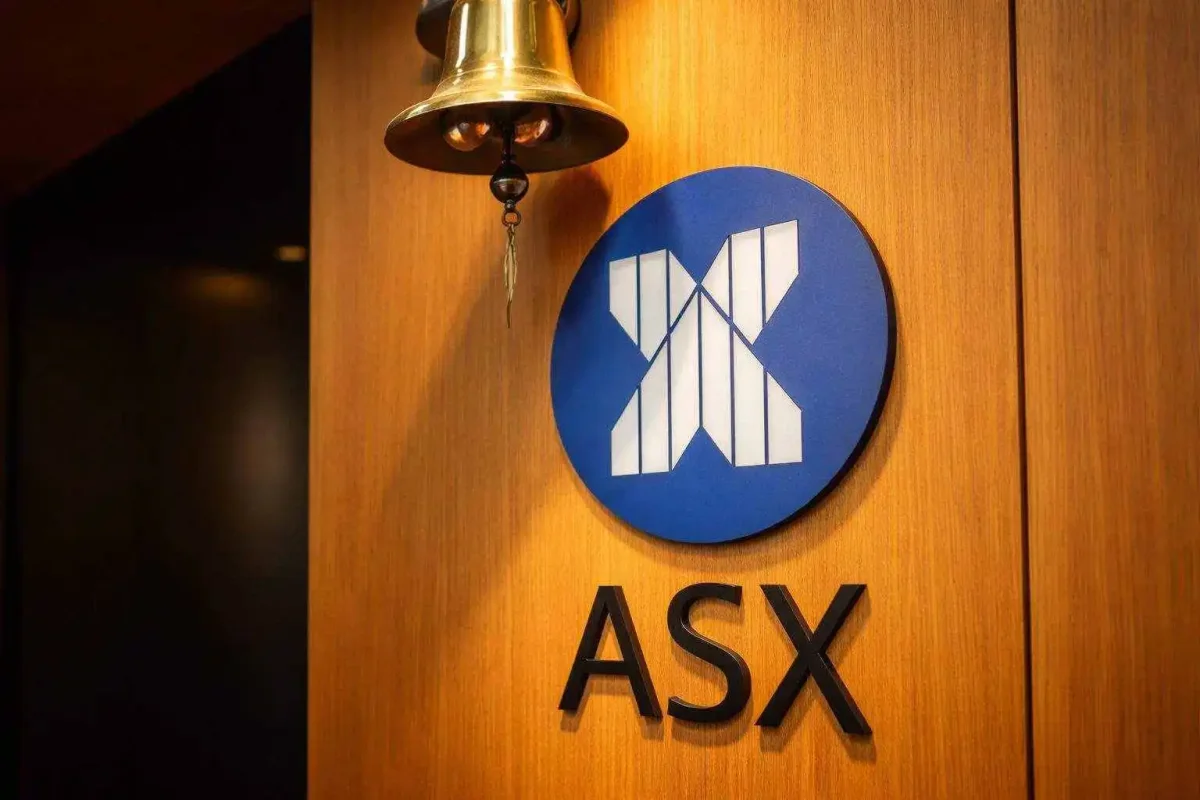
The Australian equity market concluded the trading session on Friday, April 10, 2026, with modest losses, though the benchmark index secured its most significant weekly advance in over three years. The S&P/ASX 200 index declined by 12.6 points, or 0.14%, settling at 8,960.6. Despite the daily retreat, the index recorded a weekly gain of approximately 4.4%, marking its strongest performance since the latter part of 2022.
Market Drivers and Sector Performance
Investor focus remained fixed on geopolitical developments in the Middle East, with potential ceasefire talks between the United States and Iran influencing sentiment. The strategic Strait of Hormuz, a critical maritime passage for nearly one-fifth of global oil shipments, has been a focal point for supply chain anxieties and persistent inflation concerns stemming from the six-week regional conflict. These factors have kept market participants on edge, tempering the week's relief rally.
Sector performance was mixed during Friday's session. The materials sector retreated by 0.67%, with major miners BHP dropping 1.1%, Fortescue declining 1.3%, and energy company Santos slipping 0.6%. The technology sector faced more pronounced pressure, falling 1.84%. In contrast, real estate, utilities, and financials sectors managed to close in positive territory. Commonwealth Bank of Australia added 0.5%.
Notable Stock Moves and Corporate Developments
Several individual stocks posted significant moves. Telix Pharmaceuticals rallied sharply, surging 7.3% after U.S. regulators approved its resubmitted application for a brain cancer imaging agent. Financial services firm AMP gained 4.2% following a positive annual general meeting.
Corporate strategy is also adapting to the volatile backdrop. Fortescue announced plans to accelerate its off-grid green energy initiatives across its Pilbara mining operations. Dino Otranto, the company's chief executive for metals and operations, highlighted the vulnerability of global supply chains in light of the ongoing conflict. Separately, Australia and Singapore agreed to strengthen cooperation on energy security, a move underscored by reports of localized fuel shortages at some Australian service stations.
Broader Market Context and Analyst Views
The Australian market's performance trailed a broader upswing in global risk assets. Wall Street edged higher in the prior session, while Japan's Nikkei 225 index advanced 1.65% on Friday. The rally in oil prices cooled somewhat as peace talks resurfaced, with crude holding below the $100 per barrel threshold.
Currency markets reflected a similar theme of cautious relief. The Australian dollar traded just above 70 U.S. cents, on track for a weekly gain close to 3%. Jason Wong, a senior strategist at BNZ, characterized the sentiment, noting that the "tail risk of a really bad outcome" appears to have eased, though the proposed truce remains on uncertain footing.
Analysts continue to warn of persistent risks. Barclays analyst Amarpreet Singh cautioned that any delay in resuming normal shipping traffic through the Strait of Hormuz could propel oil prices higher. Albert Park, Chief Economist at the Asian Development Bank, described the ceasefire as "fairly fragile," advising policymakers to prepare for potential further inflationary pressures and financial strains if supply disruptions continue.
Economic Indicators and Outlook
Signs of market unease are beginning to affect official forecasts. The Australian government has, for the first time, postponed the release of its quarterly resources and energy outlook report. Officials cited "extreme volatility" as the reason, stating current data had become outdated—a rare pause in a sector typically dominated by mining and banking activity.
Trading volumes during the week told a story of measured optimism. While the index reached a five-week high on Thursday with a 0.2% gain, activity levels lagged behind the 30-day average. Luke Winchester, a portfolio manager at Merewether Capital, observed that investor enthusiasm had "certainly been tempered," with ongoing hostilities in Lebanon and infrastructure concerns near the Strait of Hormuz providing ample reason for caution.
As traders await the outcome of the weekend talks in Islamabad, the market's fragile equilibrium underscores the high stakes for global energy supplies, inflation trajectories, and financial stability. The week's gains, while substantial, rest on a foundation that remains susceptible to swift changes in the geopolitical landscape.