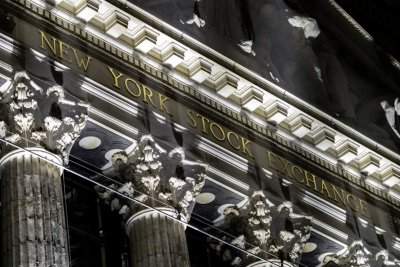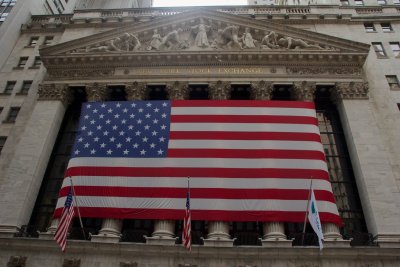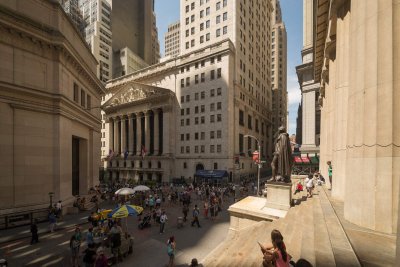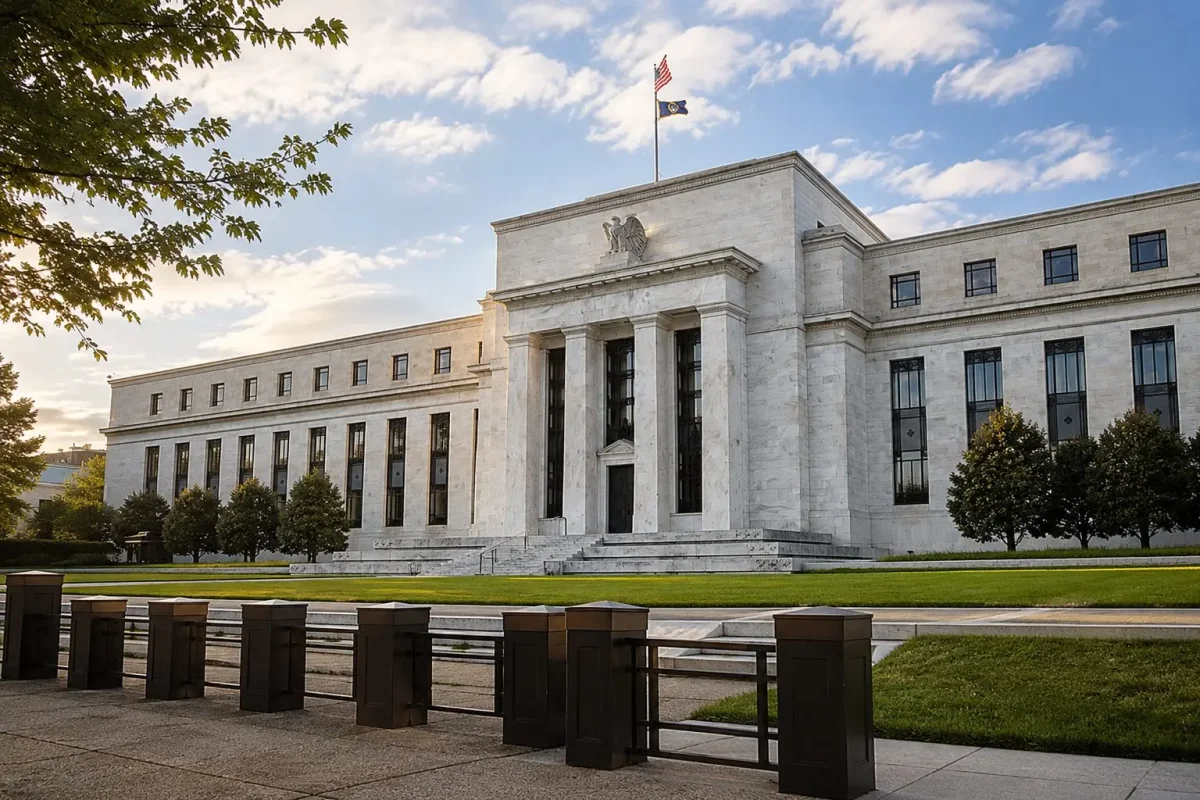
The Federal Reserve enters a holiday-shortened week with a new chair already confronting a question that has shifted sharply in recent weeks: whether the next move in U.S. interest rates will be upward rather than downward. U.S. equity and bond markets are closed Monday for Memorial Day, with the New York Stock Exchange, Nasdaq, and bond markets observing the holiday schedule.
Kevin Warsh was sworn in as Fed chair on Friday, taking the helm just as inflation worries, rising oil prices, and a deeply divided policy committee have moved back to the forefront of market debate. The holiday delay pushes the Fed's daily and weekly statistical releases scheduled for Monday to Tuesday.
The key event this week is Thursday's release of the Personal Consumption Expenditures (PCE) price index, the Fed's preferred inflation gauge. The Bureau of Economic Analysis will publish April personal income and outlays data on May 28 at 8:30 a.m. ET, following March's annual PCE inflation rate of 3.5%.
Warsh inherits a federal funds rate target range of 3.50%-3.75%. The next policy meeting is scheduled for June 16-17, when officials will vote on rates and release updated economic projections. Last week's minutes from the April meeting, which was Jerome Powell's last as chair, revealed that a majority of policymakers saw "some policy firming" as likely appropriate if inflation remains above the Fed's 2% target. The meeting saw four dissents, the most since 1992, over either the level of rates or the Fed's forward guidance.
Fed Governor Christopher Waller reinforced that message on Friday, stating that "inflation is not headed in the right direction" and supporting the removal of the Fed's "easing bias," which had suggested the next move was more likely a cut than a hike. He still advocated holding rates steady in the near term rather than raising them immediately.
Economists have adjusted their views but remain divided. Aditya Bhave, head of U.S. economics at Bank of America, told Reuters that "both hikes and cuts are feasible," though he considers a hold the base case. Scott Anderson, chief U.S. economist at BMO Capital Markets, warned that economists' inflation forecasts have been poor recently and that more frequent shocks are a risk.
Oil prices are drawing unusual attention in the Fed narrative. Gold rose on Monday as hopes for a U.S.-Iran deal pushed crude below $100 a barrel and weakened the dollar, according to Reuters. UBS analyst Giovanni Staunovo said lower oil prices were lifting gold because investors expect them to influence Fed policy. Traders now see a 40% chance of a 25-basis-point rate hike by December, with one basis point equal to one-hundredth of a percentage point.
The equity market backdrop is less hostile than the rate debate suggests. The S&P 500 had posted eight consecutive weekly gains before the holiday, supported by earnings. However, Anthony Saglimbene, chief market strategist at Ameriprise, noted that investors are moving past earnings season and the macro environment is taking "more center stage."
The path ahead is not one-way. A sustained decline in oil prices could quickly cool headline inflation and keep the Fed on hold, or even reopen the case for rate cuts later this year if the labor market weakens. On the downside, energy and tariff costs could spread into broader prices, push inflation expectations higher, and force Warsh's Fed toward rate increases even as housing and consumer sentiment remain under strain.
Fed speakers will fill some of the gap left by the holiday. The calendar includes Waller on the economic outlook and Lisa Cook on artificial intelligence and the financial system on Wednesday, Philip Jefferson on global economic developments the same day, and Michelle Bowman on monetary policy on Friday. For now, the Fed's message has shifted. The question is no longer just when rate cuts will begin, but whether Warsh can hold a divided committee together if Thursday's inflation data keeps the pressure on.