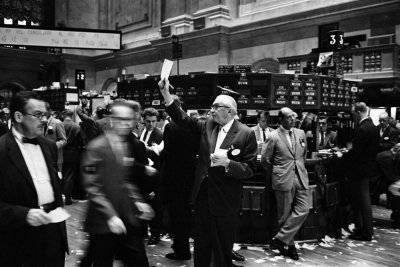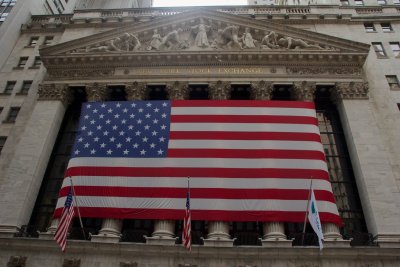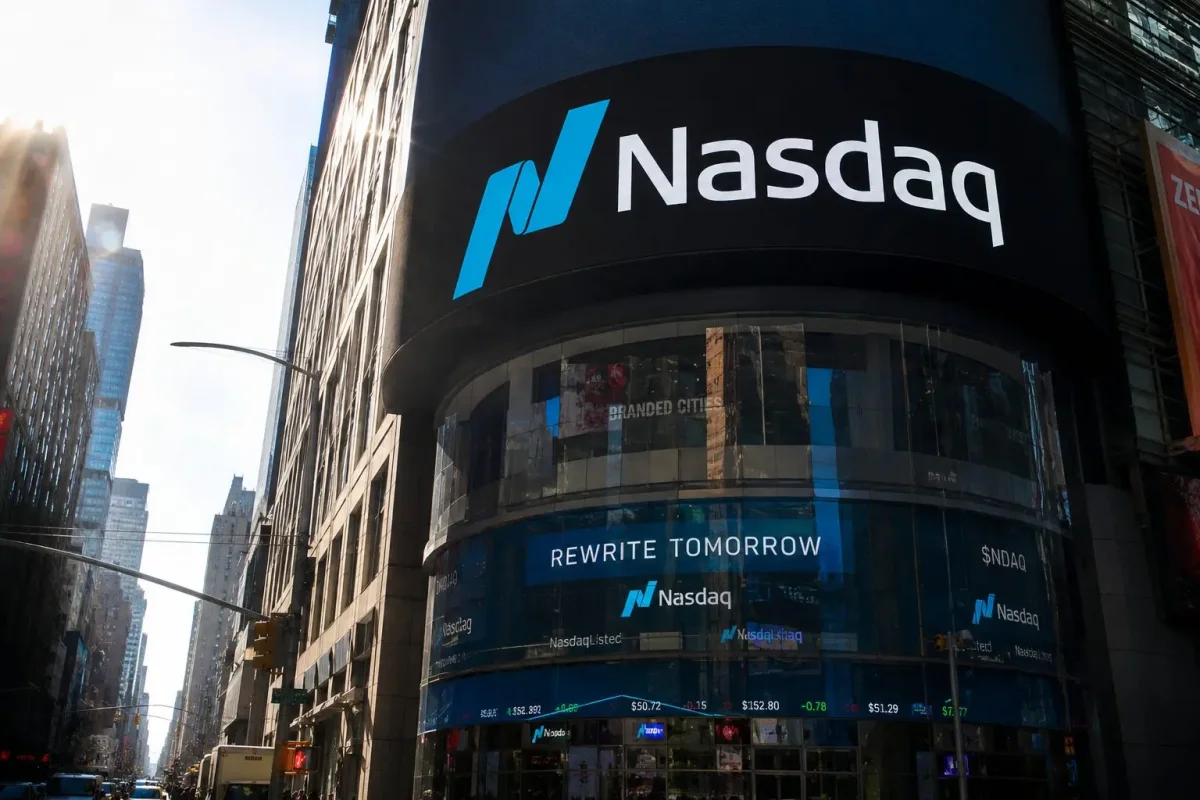
Nasdaq futures advanced on Thursday, driven by gains in semiconductor stocks, while Dow futures edged lower as traders weighed escalating U.S.-Iran hostilities, choppy oil markets, and persistent hawkish signals from the Federal Reserve. The main trading session on the New York Stock Exchange was scheduled to open at 9:30 a.m. ET, with no holiday disruptions for July 9.
As of 7:36 a.m. ET, Dow E-minis were down 69 points, or 0.13%, while S&P 500 E-minis added 11.25 points, or 0.15%, and Nasdaq 100 E-minis climbed 198.5 points, or 0.67%, according to Reuters. The mixed futures activity reflected a market grappling with geopolitical uncertainty, central bank tightening, and corporate earnings.
Semiconductor stocks led early gains, with the iShares Semiconductor ETF (SOXX) up 2.4% in premarket trading, according to Reuters. The rally helped offset declines in IBM, which fell 3.8%, and Microsoft, down 1.5%. The drop followed a report that Starbucks is using artificial intelligence to reduce reliance on both companies' software. Meta Platforms also slipped 1.2% after Reuters reported the company plans to begin manufacturing its own AI chip in September, aiming to boost computing power and cut dependence on chipmakers like Nvidia and AMD.
Geopolitical tensions remained a key overhang. The U.S. military launched fresh strikes on Iran to keep the Strait of Hormuz open, and Iran retaliated with attacks on Gulf states, Reuters reported. Mark Haefele, CIO at UBS Global Wealth Management, described the path to a lasting deal as "likely to be bumpy," but noted both sides still want to keep shipping lanes open. Oil prices inched higher, with Brent crude last up 0.68% at $78.55 a barrel and U.S. West Texas Intermediate adding 0.53% to $73.91, according to Reuters. Saxo Bank's Ole Hansen called it "a very nervous market," while Aneeka Gupta at WisdomTree expects Brent to trade between $75 and $85 in the next month. Higher oil prices could fuel inflation and squeeze corporate margins if sustained.
The Federal Reserve added to the cautious tone. Minutes from the June meeting, released Wednesday, showed some policymakers pushed for a rate hike before the group settled on holding rates steady at 3.50%-3.75%. Nine out of 18 policymakers projected a slightly higher rate by year-end. One basis point equals one-hundredth of a percentage point.
Weekly jobless claims provided some relief from growth worries. Initial claims fell by 2,000 to 215,000 for the week ended July 4, according to the Labor Department. Continuing claims rose by 8,000 to 1.814 million for the week ended June 27. Reuters reported that economists still describe the labor market as "slow hire, slow fire," not in sharp trouble.
Consumer stocks told a mixed demand story. PepsiCo beat second-quarter revenue forecasts, driven by gains in zero-sugar drinks and protein snacks, but shares dropped about 1% premarket on weaker North American food sales. CEO Ramon Laguarta said results were hurt by "consumer budgets tightening." eMarketer's Suzy Davidkhanian said Pepsi's challenge is "keeping them relevant." Levi Strauss dropped 4.4% in premarket trading after lifting its annual sales outlook, but the reaction signaled little appetite for forecasts that just meet expectations as second-quarter earnings season gets rolling.
Market participants remain wary that a new disruption in the Strait of Hormuz could send oil prices higher and stoke inflation worries while the Fed is still talking about another rate hike. If earnings, especially for AI tech, miss early, it could show the Nasdaq rebound is just a head fake after the latest slide. Early trading sent mixed signals: chips pushed Nasdaq futures higher, but software losses weighed on the Dow. Oil prices and a tough Fed outlook left the broader open looking hesitant.