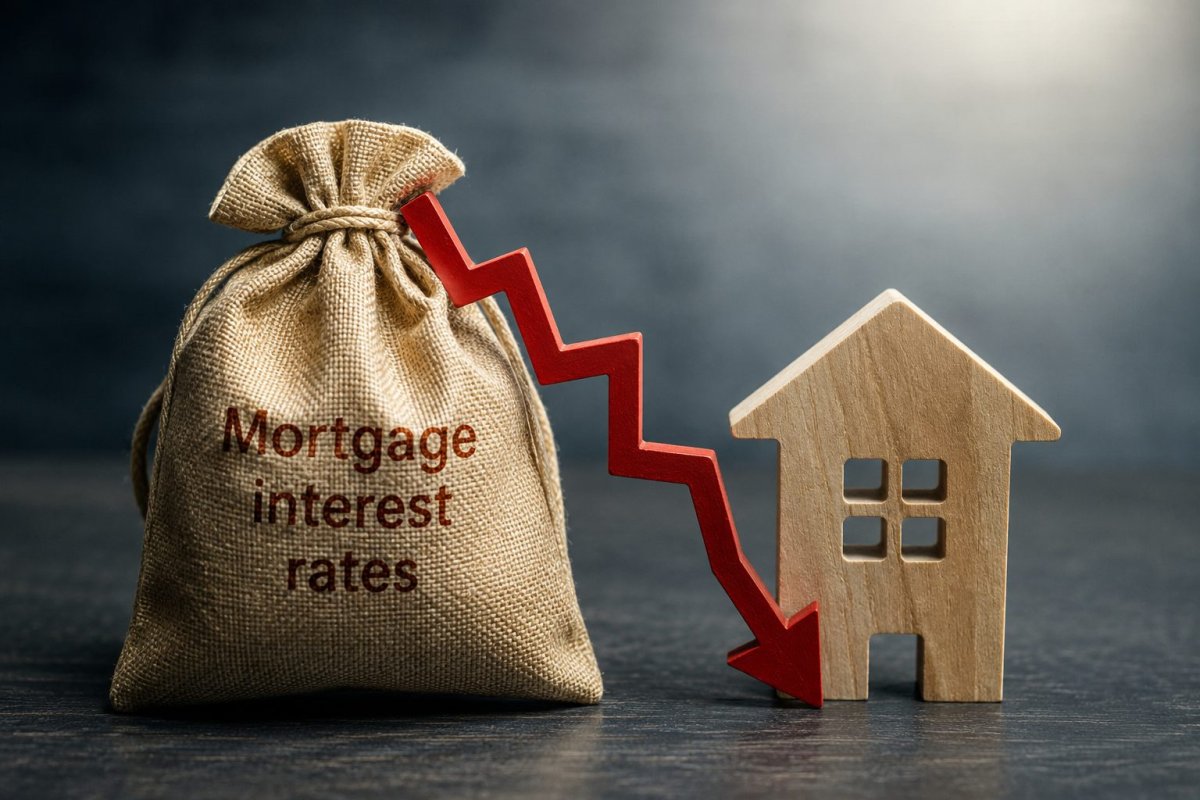
New York, July 9, 2026 – The latest weekly reading from Freddie Mac showed the average 30-year fixed mortgage rate slipping to 6.43% as of July 2, a decline from 6.49% the prior week and the lowest level in seven weeks. However, daily rate screens from Zillow and other trackers indicate that borrowers are still facing rates in the mid-6% range, with Zillow listing 30-year fixed rates at 6.625% on July 9.
This narrow gap between weekly averages and daily quotes underscores the volatility that continues to define the housing market. Even modest rate movements can significantly influence buyer behavior, as the Mortgage Bankers Association reported a 2.2% decline in total mortgage application volume for the week ended July 3, after adjusting for the Independence Day holiday. The seasonally adjusted Purchase Index fell 1%, while the Refinance Index dropped 4%.
Mike Fratantoni, MBA’s senior vice president and chief economist, noted that homeowners saw little incentive to refinance given still-elevated rates. The refinance market remains tight, with Fortune reporting an average 30-year fixed refinance rate of 6.63% and a 15-year refinance rate of 5.88% based on Zillow data as of July 7.
Freddie Mac’s chief economist Sam Khater offered a cautiously optimistic view, stating in the July 2 release that “with rates at a seven-week low and purchase demand continuing to edge higher, it’s an encouraging sign as prospective homebuyers respond to modest improvements in affordability.” However, that benchmark lags behind daily movements, as Freddie Mac’s survey reflects rates from the prior Thursday through Wednesday, focusing on conventional, conforming, fully amortizing purchase loans for borrowers with excellent credit and 20% down.
Daily rate trackers paint a less consistent picture. Bankrate’s July 8 survey showed the average 30-year fixed rate at 6.54%, up seven basis points from a week earlier, while the 15-year fixed rate slipped to 5.85% and the 5/1 adjustable-rate mortgage averaged 5.72%. The discrepancies between Freddie Mac, Zillow, and Bankrate are not contradictions but rather reflect different timing, borrower assumptions, and lender inputs, meaning there is no single national mortgage price.
The broader bond market remains the key swing factor. The 10-year Treasury constant-maturity yield stood at 4.55% on July 7, up from 4.48% on July 1, according to the Federal Reserve’s H.15 data. Long-term mortgage rates tend to move in tandem with these yields, plus lender and investor spreads. If Treasury yields rise further, daily mortgage quotes could push higher before the next weekly Freddie Mac average catches up. Conversely, if yields ease, rates could decline, but for now, the market remains stuck in the mid-6% range, far from the cheap money of recent years.
The implications for homebuyers are clear: while the weekly dip offers a glimmer of hope, the persistence of daily rates above 6% suggests that affordability challenges will continue to constrain demand. The housing market’s trajectory will depend heavily on the path of inflation, Federal Reserve policy, and broader economic conditions in the coming weeks.