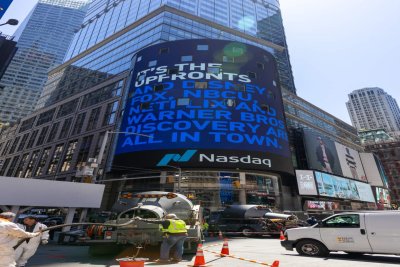
New York, July 9, 2026 – U.S. equity markets opened for a regular trading session on Thursday, with the New York Stock Exchange commencing core trading at 9:30 a.m. ET. However, the focus quickly turned to a wave of job reduction announcements from major corporations, signaling a persistent trend of workforce restructuring across multiple sectors.
Energy and Healthcare Sectors Hit
Baker Hughes (BKR) is cutting 147 positions at its Houston facility, according to a filing with the Texas Workforce Commission. The layoffs, effective from a July 1 notice, target roles in manufacturing, engineering, materials, purchasing, and support. A company spokesperson stated that Baker Hughes “continually reviews our portfolio” to align with long-term strategic targets. This move comes amid a challenging North American spending cycle for oilfield services rivals SLB (SLB) and Halliburton (HAL), as volatile crude prices pressure customer budgets.
In the pharmaceutical sector, Novartis (NVS) announced plans to eliminate 322 jobs at its East Hanover, New Jersey headquarters, effective October. The company cited a need to “align our organization” with patient, customer, and business demands, even as it invests in the U.S. market while facing patent expirations on key drugs.
Tech Sector Restructuring Continues
Microsoft (MSFT) is proceeding with a reduction of 4,800 positions this week, representing 2.1% of its global workforce. The cuts include 3,200 roles at Xbox, as the company strives to compete with Sony’s PlayStation and Nintendo. Amy Coleman, Microsoft’s chief people officer, assured employees that the jobs “are not being replaced by AI,” according to Reuters. Equisights Research CEO Parth Talsania characterized the move as “portfolio reallocation and operating discipline,” noting that investors are more focused on whether AI revenue can outpace costs than on the layoffs themselves.
Online education platform Coursera (COUR) also confirmed job cuts following its acquisition of Udemy. The company expects to book $8 million to $11 million in charges, primarily for severance and employee benefits, though it did not specify the number of roles affected.
AI’s Growing Role in Layoffs
According to outplacement firm Challenger, Gray & Christmas, artificial intelligence was cited as a factor in 31% of U.S. job cut announcements in June. The firm noted that AI software capable of automating certain tasks is contributing to workforce reductions. Overall, U.S. employers announced 45,849 job cuts in June, a 53% decline from May. However, the technology sector remained the epicenter, with 15,503 layoffs in June and 139,156 for the year to date. “Tech remains the epicenter,” said Andy Challenger, chief revenue officer, adding that the sector “is being reshaped in real time.”
Market Reaction and Implications
Investors are interpreting layoffs differently than in past recessions, viewing them as tools for margin protection, AI investment, and portfolio reallocation rather than as pure signals of economic weakness. However, risks remain: severance costs can erode savings, falling crude prices may offset energy sector efficiencies, drug patent losses can pressure healthcare profits, and AI implementation costs may outpace returns. If demand weakens, cost-cutting alone may not suffice.
Before regular trading, Baker Hughes shares were up 5.7% at $57.58, while Microsoft fell 1.4% and Coursera slipped 0.9%. The Energy Select Sector SPDR Fund (XLE) traded higher, while the SPDR S&P 500 ETF (SPY) edged down.
Looking Ahead
The market’s focus remains on which companies can use restructuring to genuinely improve their bottom lines, versus those cutting jobs simply because growth is elusive. As AI continues to reshape industries, investors will closely monitor whether cost reductions translate into sustainable profitability.