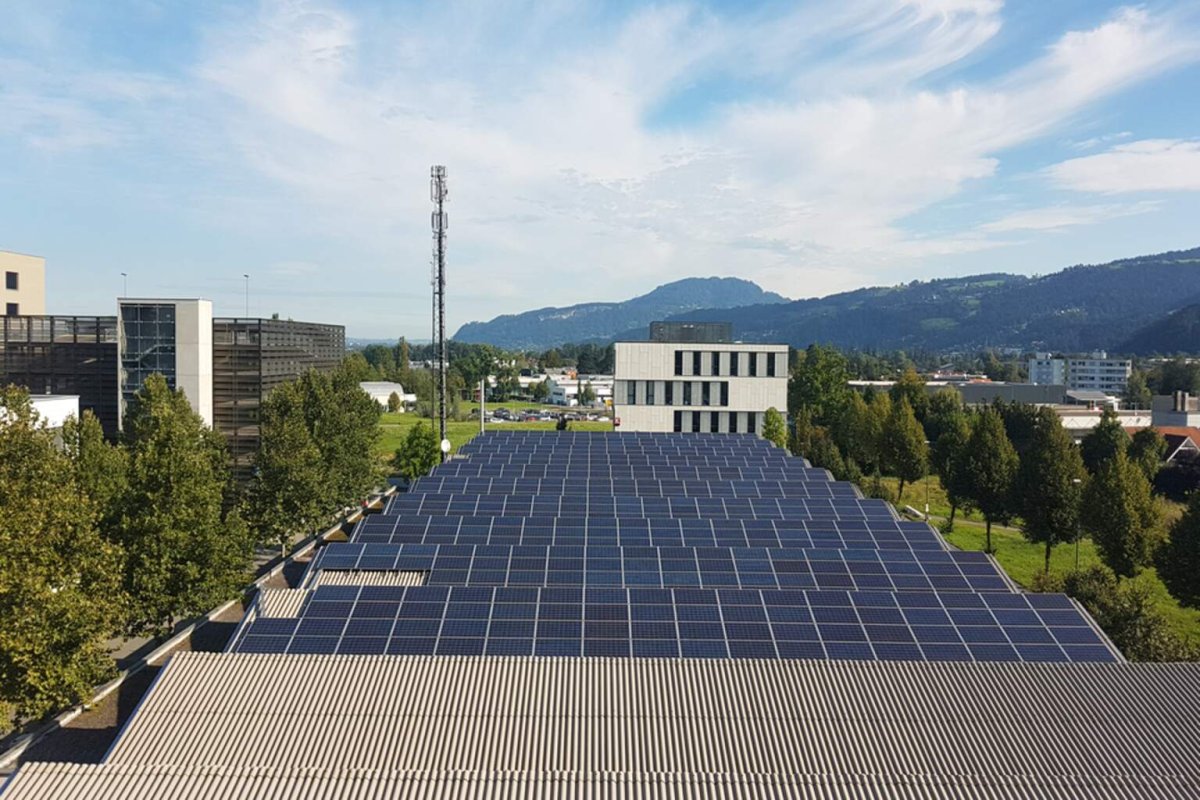
The Australian government has officially broadened the Small-scale Renewable Energy Scheme (SRES) to include commercial and industrial solar installations with capacities between 100 kilowatts (kW) and 1 megawatt (MW). The regulatory change, effective October 1, 2026, aims to bridge the longstanding gap between small household rooftop systems and large utility-scale solar farms.
Under the revised rules, eligible mid-scale projects can now generate Small-scale Technology Certificates (STCs) based on their expected electricity output over a fixed five-year period. Each STC represents one megawatt-hour (MWh) of renewable energy deemed to be produced. The Clean Energy Regulator estimates that these certificates could reduce upfront installation costs by approximately 20%, though the actual benefit varies by project specifics.
Previously, systems larger than 100 kW were required to participate in the Large-scale Renewable Energy Target (LRET), which issues large-scale generation certificates (LGCs) based on metered generation over time. The new SRES pathway shifts the support forward by valuing five years of anticipated generation at the time of installation, thereby reducing the administrative burden of ongoing certificate reporting.
Key Details of the Mid-Scale Solar Pathway
- Eligible capacity: Greater than 100 kW up to 1 MW
- Effective date: October 1, 2026
- STC deeming period: Fixed five years
- Application opening: Mid-to-late November 2026
- Claim window: Within 12 months of installation
The transition has been introduced in response to a noticeable slowdown in mid-scale solar deployment. According to the Clean Energy Regulator's June-quarter market report, only 80 mid-scale power stations with a combined capacity of 28 MW were accredited in the first half of 2026—a 32% drop from the 41 MW average seen in the first halves of previous years since 2021. While the regulator attributes part of this decline to lower large-scale certificate prices, other factors such as connection delays, project costs, and daytime demand constraints also play a role.
The expansion directly addresses the so-called "missing middle" in Australia's solar market. Residential solar capacity stands at roughly 22 GW, while commercial installations lag at 5.6 GW. Yet the technical potential for commercial, industrial, and agricultural rooftops exceeds 80 GW, according to figures cited by ABC News. This vast untapped capacity could significantly boost renewable energy generation if barriers are removed.
Eligibility and Compliance Nuances
To qualify for the new STC pathway, a project must be first capable of producing and delivering electricity—meaning its testing and commissioning date is the key milestone. Procurement or construction may have occurred earlier, but the regulator's transitional guidance requires documented evidence linking the commissioning date to electrical compliance. This prevents partially built arrays from claiming early eligibility.
Extensions to existing systems can also qualify, but only the newly added capacity earns the new certificates. For instance, adding 40 kW to an existing 80 kW array brings the combined system to 120 kW, making it eligible for the five-year deeming on the 40 kW addition only. The original panels remain under previous rules.
Site design plays a critical role in determining eligibility. Connected or related arrays may be combined when assessing the 1 MW ceiling. Metering configurations, electrical setups, and adjacent sites are all considered. Splitting a project across multiple meters does not automatically create separate eligible systems.
Both grid-connected and stand-alone arrays can qualify, but existing accredited large-scale stations cannot transition to the new pathway. Moreover, the same generating capacity cannot produce both STCs and large-scale certificates, making the electrical boundary a compliance boundary as well.
Grid Connection Remains a Key Hurdle
While the certificate change makes mid-scale solar more financially attractive, it does not guarantee a network connection. Projects still require planning, building, electrical-safety, and distribution-network approvals. Approved components and accredited installers are mandatory, and additional requirements such as structural reports, metering records, and commissioning evidence may be imposed.
Distribution networks may demand export limits, new protection settings, or equipment upgrades, which can reduce useful output or add design complexity. A large array is most effective when its daytime production aligns with on-site demand. Storage solutions can help, but they introduce another layer of control and compliance.
Installers must also maintain meticulous records, including geotagged, time-stamped photographs from final commissioning. These images must correspond to the electrical certificate to avoid delays or rejection of the STC claim.
The expansion of the SRES is a measured policy response to a persistent gap in Australia's renewable energy landscape. By providing upfront financial support for mid-scale projects, the government hopes to stimulate investment in commercial solar, reduce strain on the grid, and accelerate the transition to a cleaner energy system.