Amazon's cloud computing division, AWS, has already committed the majority of its large-scale capacity blocks for 2027, according to CEO Andy Jassy. Speaking in an interview with Andreessen Horowitz on October 23, Jassy revealed that a significant portion of 2028 capacity is also under contract. This early booking underscores the intense demand for AI infrastructure and the strategic importance of construction timelines.
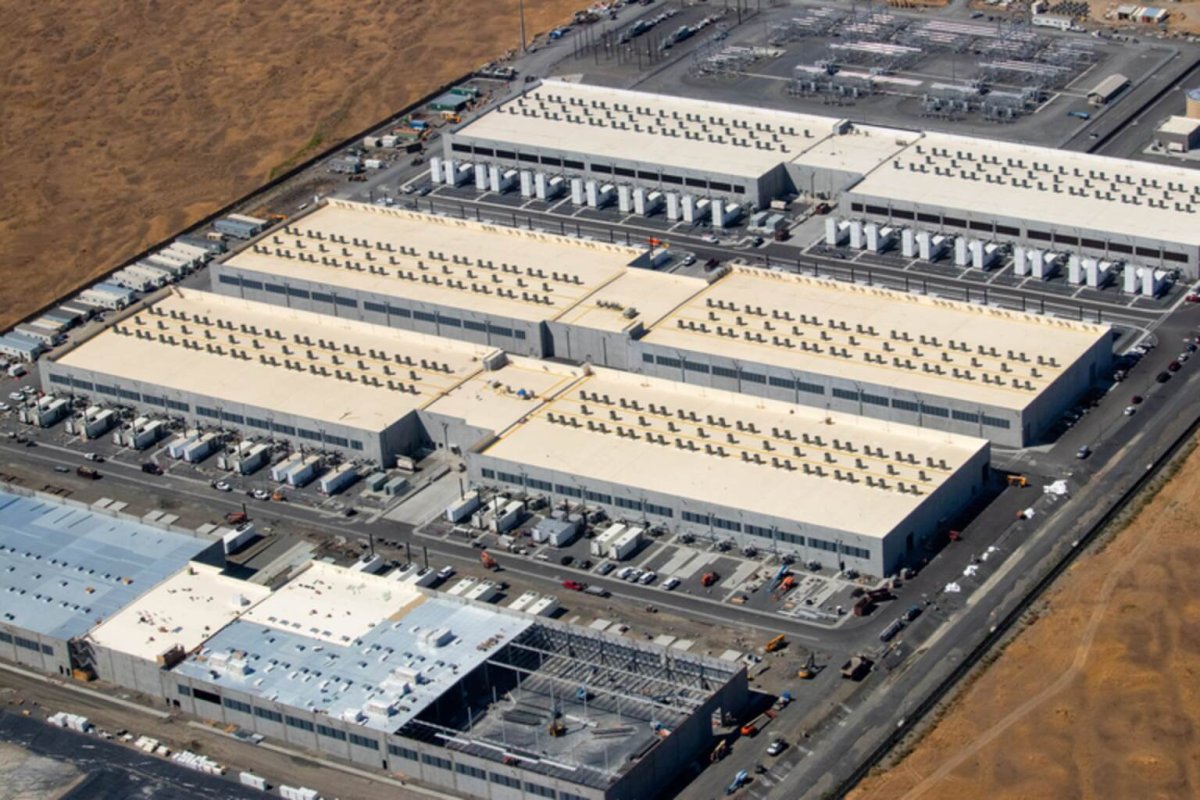
The core challenge lies in the two-year lead time required to build and equip data centers before they can generate revenue. Jassy explained that while hardware orders are placed just months before deployment, facility construction takes roughly two years. This gap means that additional spending on construction cannot quickly alleviate near-term capacity shortages, as the physical infrastructure must be in place before servers can be installed and operational.
Amazon expects to spend approximately $220 billion on capital expenditures in 2026, a company-wide figure that includes but does not specifically break out AWS construction. The practical question for investors and customers alike is when this spending will translate into usable capacity. Jassy noted that "2027 is largely sold out," though he excluded capacity reserved for on-demand services like Bedrock and EC2, and did not disclose the exact megawatts, processor numbers, or the uncommitted share.
The two-year construction lead time means that 2027 supply is partly dependent on decisions already made. Delaying server orders can curb equipment purchases if demand weakens, but money already spent on facilities cannot be recovered. This creates a significant risk: if demand softens, AWS could be left with underutilized buildings, while any construction delays could exacerbate the capacity crunch.
Jassy also provided insights into the lifecycle of data center assets. He estimated that buildings have a useful life of about 30 years, while hardware is typically replaced every five to six years. This means a single facility will likely host five to six generations of servers over its lifetime. The average break-even point for a data center is around three years, while most customer contracts span about five years, suggesting a two-year window between break-even and contract completion.
AWS's recent financial performance provides context for this expansion. In the second quarter of 2026, AWS reported sales of $42.23 billion, up from $30.87 billion in the same period a year earlier. Operating profit surged to $16.62 billion from $10.16 billion, and the operating margin improved to 39.4%, a gain of 6.4 percentage points. These figures, released on July 30, reflect the profitability of the cloud unit but do not directly measure the cash recovery from new construction, as operating income includes depreciation rather than upfront capital spending.
The capacity booking figures reveal commercial commitments but do not specify regional allocations or availability for particular chips, services, or locations. Customers cannot infer from these numbers whether capacity will be available for their specific needs. The next major checkpoint is Amazon's earnings call on October 29, where analysts will be looking for more details on how much of the reserved 2027 capacity is already built, powered, and ready for equipment.
The tight construction timeline and heavy pre-booking of capacity highlight the competitive pressures in the AI infrastructure market. As rivals like Microsoft and Google also expand their data center footprints, AWS's ability to deliver capacity on time will be crucial for maintaining its leadership position. The two-year construction clock is now a central factor in AWS's growth strategy, and any delays could have significant implications for its customers and investors.