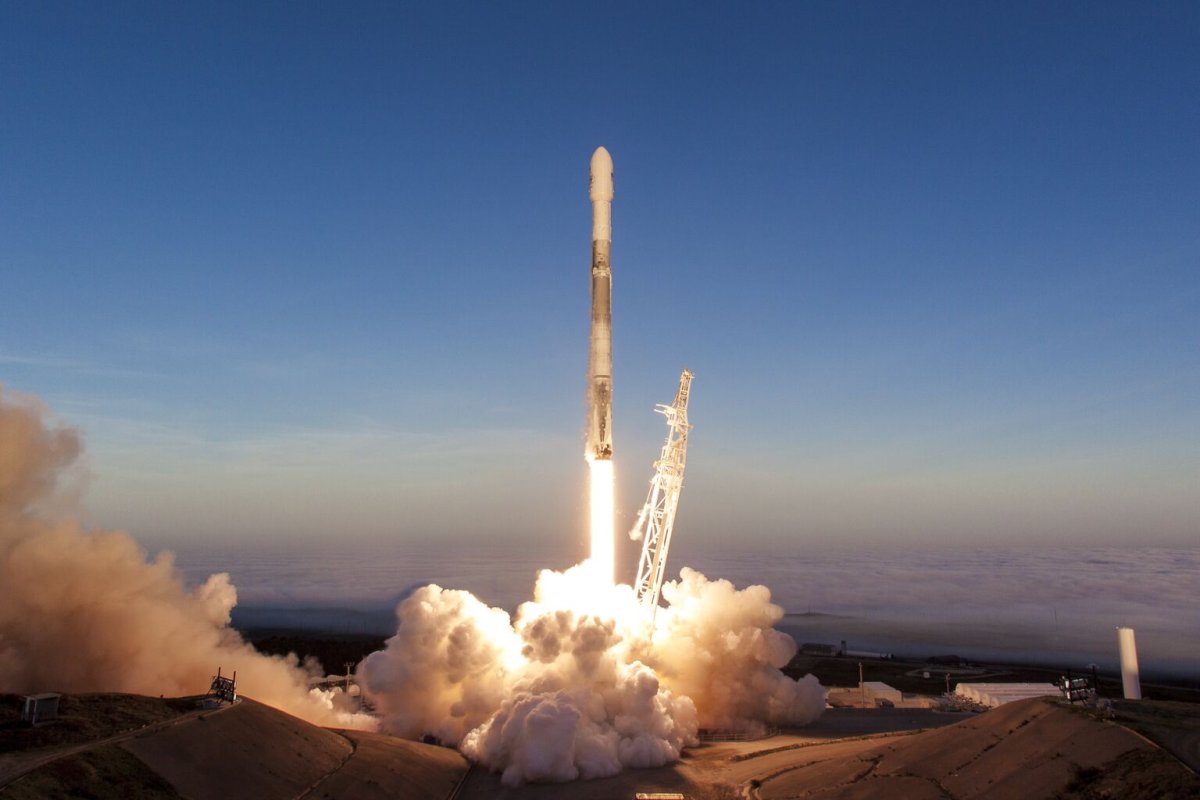
Investment management firm BAMCO, founded by renowned investor Ron Baron, has disclosed a massive stake in SpaceX valued at $24.9 billion. The revelation, filed in a Form 13F with the SEC on August 14, shows the firm held 145.8 million shares of the space exploration company as of June 30. While the numbers are accurate, the common interpretation that this represents a fresh $25 billion bet made after SpaceX's public debut is incorrect.
The position first became visible in the 13F filing because SpaceX completed its initial public offering (IPO) on June 12. Baron's funds had owned shares in the company for years while it was privately held. The filing simply changes the disclosure regime, not the origin of the investment. The 13F is an adviser-level report, not a statement for a single mutual fund or Ron Baron's personal brokerage account. It aggregates holdings across all accounts over which BAMCO exercises investment discretion, including mutual funds, private accounts, and other advised assets.
According to the filing, BAMCO's table lists 145,775,147 SpaceX shares with a total value of $24,907,141,616. This implies a carrying price of approximately $170.86 per share at the end of the second quarter. However, SpaceX shares have since declined, closing at $143.49 on September 15 and trading near $144.80 in premarket on Wednesday. That is roughly 15% below the quarter-end level, meaning the 13F valuation should not be treated as a live estimate of the current stake's worth.
The more detailed picture emerges from the Baron Asset Fund's second-quarter shareholder letter. The fund, managed by Andrew Peck, first acquired SpaceX in 2020 when the company was valued at $47 billion. As of June 30, the fund's $1.37 billion position represented 34.3% of its assets and had appreciated by more than 3,000% since purchase. This concentration is a key point for investors to consider.
Concentration, not a fresh purchase, is the real issue. The Baron Asset Fund's own data shows SpaceX accounted for 29.8% of net assets on August 31, down from 34.3% at quarter-end. This change could be due to stock price movements, subscriptions, redemptions, or changes in other holdings—it does not necessarily indicate a sale. The fund also faces constraints on exiting the position: 25% of its SpaceX shares are subject to a staggered six-month lockup beginning after the IPO, with the remaining 75% entering restrictions over the following six months. Investors cannot assume the manager can rebalance the entire position immediately if the share price or fund flows move sharply.
Other Baron portfolios have different histories and exposures. The Baron Partners Fund, for example, began accumulating SpaceX in 2017 and valued its stake at roughly $6.3 billion as of June 30. SpaceX returned 62.23% during the quarter and contributed 12.99 percentage points to that fund's return. The same arithmetic works in reverse when the stock falls, adding to the risk of such concentrated positions.
There is a reasonable defense of this concentration. The Baron Asset Fund returned 18.98% in the second quarter, outperforming the Russell Midcap Growth Index's 14.55%, largely thanks to its early SpaceX investment. However, the counterweight is that a mid-cap growth fund now derives an unusually large portion of its daily value from one mega-cap company whose shares were private when the position was established.
The next useful evidence will be the Baron Asset Fund's monthly holdings and BAMCO's September 30 13F filing, not just the appearance of SpaceX as a new line item in a screen. The June filing documents how large the old bet became; it does not indicate a post-IPO buying spree. Investors should focus on the long-term nature of this position and the potential risks of such high concentration.