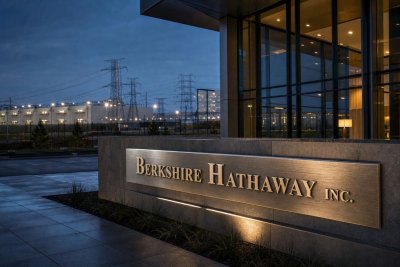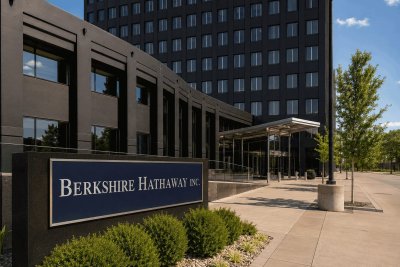
Berkshire Hathaway Inc. shares ended the trading week on a positive note, with the Class B stock (BRK.B) closing at $489.25 on Friday, representing a 0.71% increase. The stock traded in a range of $484.51 to $489.99 during the session, with approximately 4.59 million shares changing hands. The broader S&P 500 index also moved higher, adding 0.50% on the day.
Taylor Morrison Deal Advances
The primary catalyst for the recent price action was the filing of a preliminary proxy statement by Taylor Morrison Home on June 12, which moves the homebuilder's acquisition by Berkshire Hathaway one step closer to completion. The all-cash transaction, valued at $8.5 billion in enterprise value, would see Taylor Morrison shareholders receive $72.50 per share, a premium of roughly 24% above the stock's closing price on May 29. The deal requires approval from a majority of the outstanding shares entitled to vote.
CEO Greg Abel's First Major Move
This acquisition represents the first significant capital deployment under the leadership of CEO Greg Abel, who took the helm following Warren Buffett's transition. Abel has indicated that if the deal is completed, Berkshire intends to "unify our site-built homebuilding operations into a combined platform" over time, according to a Reuters report. The move signals a strategic consolidation of Berkshire's existing homebuilding activities under a single operational umbrella.
Capital Allocation in Focus
While the Taylor Morrison acquisition alone is not transformative for Berkshire, it provides investors with a tangible example of the company's willingness to put its substantial cash reserves to work. As of the end of March, Berkshire held $380.2 billion in cash, excluding unsettled Treasury bill purchases. The $8.5 billion deal would represent only a small fraction of that massive cash pile. UBS analyst John Lovallo described the acquisition as "a strong vote of confidence in the mid-long term outlook for the homebuilding industry," as reported by Reuters.
Bull Case: Diversified Strength
Supporters of Berkshire point to the company's diversified business model, which spans insurance, rail, energy, manufacturing, services, and retail. This breadth provides resilience against economic soft spots in any single sector. First-quarter operating earnings, which exclude investment gains and losses, rose to $11.35 billion from $9.64 billion in the same period last year. Morningstar has maintained its fair value estimate of $510 for the Class B shares, above Friday's closing price.
Bear Case: Valuation and Cyclical Risks
Critics argue that Berkshire's stock is not obviously cheap. The company's increased exposure to the housing sector adds cyclical risk at a time when consumers continue to face economic pressure. Berkshire has noted that economic uncertainty has negatively impacted some consumer-facing businesses. Additionally, Geico's pre-tax underwriting profit dropped 35%, driven by higher accident claims and marketing expenses. The stock's price-to-book ratio stood at approximately 1.45, indicating that investors are still paying a premium for Berkshire's balance sheet and reputation.
Valuation and Catalysts Ahead
At current levels, Berkshire trades at a valuation that appears fair to slightly attractive, but not deeply undervalued. The next major catalyst is the Taylor Morrison shareholder vote, which will be followed by antitrust review and regulatory approvals. Investors will also be watching Berkshire's next quarterly report for updates on share buybacks, cash levels, and any further signs that Abel is deploying capital while maintaining the company's historically conservative financial posture.