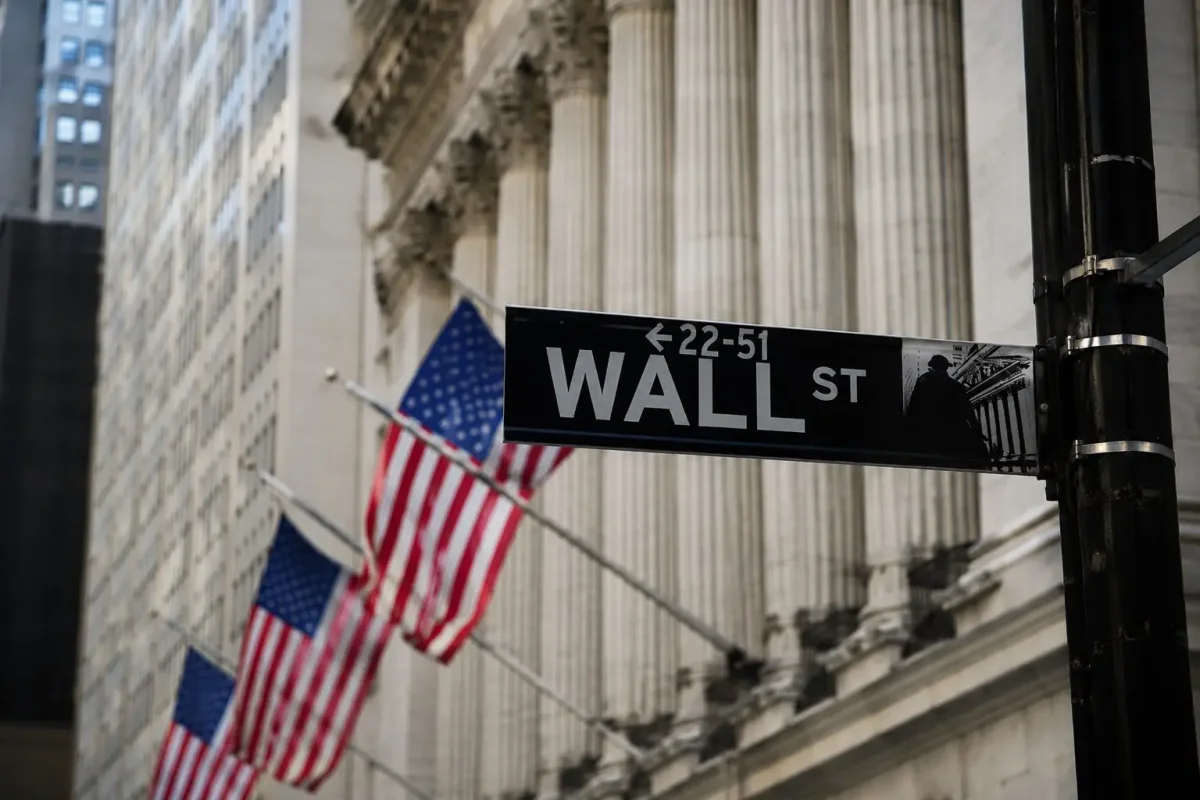
NEW YORK, July 28, 2026 – A broad-based rally on Tuesday propelled the Dow Jones Industrial Average to its best day in four weeks, as gains spread across sectors well beyond technology. The blue-chip index surged 537.24 points, or 1.03%, to close at 52,747.32, while the S&P 500 edged up 0.21% to 7,428.78. In contrast, the Nasdaq Composite slipped 0.22% to 24,876.91, dragged down by continued weakness in semiconductor shares.
Market Breadth Signals Rotation
The divergence between the cap-weighted S&P 500 and its equal-weight counterpart underscored the rotation. The Invesco S&P 500 Equal Weight ETF (RSP) rose 1.16%, while the SPDR S&P 500 ETF Trust (SPY) gained just 0.19% – a performance gap of nearly one percentage point. Equal weighting assigns each S&P 500 constituent the same influence, indicating that the rally was broad rather than concentrated in a few mega-cap names.
Market breadth supported this trend: advancers on the S&P 500 outpaced decliners by roughly 2.5 to one. Trading activity remained near its 20-day average, suggesting the move was orderly and not driven by a surge in volume.
Sector Performance
Healthcare led the day's winners, climbing 2.4%. Consumer staples added 2.0%, and materials rose 1.7%. In contrast, the technology sector fell 1.4%, while the PHLX semiconductor index tumbled 4.5%. Baird investment strategist Ross Mayfield commented, "Part of it is value," highlighting the rotation into defensive and cyclical areas.
Key Movers: Coca-Cola, Boeing, Ford, Seagate
Coca-Cola (KO) jumped 5% after raising its full-year outlook. Boeing (BA) advanced 4.8% after reporting positive free cash flow. Both stocks contributed significantly to the Dow's gain.
Ford Motor (F) surged over 6% in after-hours trading after raising its adjusted operating profit forecast for the year to between $10 billion and $11 billion. The automaker reported adjusted earnings of $0.42 per share, beating the consensus estimate of $0.35. "Our industrial system is getting fitter," said CFO Sherry House. Core profit rose 20% to $2.5 billion, though the company posted a net loss of $1.3 billion.
Seagate Technology (STX) soared 8.8% in extended trading after reporting strong earnings. The data storage company posted adjusted earnings of $5.71 per share, above the expected $5.10, while revenue surged 49% to approximately $3.6 billion. Its next-quarter revenue outlook of $4.1 billion also topped estimates. The after-hours rally nearly erased the stock's 8.3% drop during the regular session.
Visa (V) fell about 1.3% in after-hours trading despite robust operating results. Payments volume and processed transactions both increased 10%, and adjusted earnings came in at $3.32 per share. The muted response suggests that beating headline estimates may not be enough to satisfy high investor expectations.
Semiconductor Selloff Continues
The downturn in chip stocks persisted. The PHLX semiconductor index is now 25% below its record close on June 22, though it remains up 56% year-to-date. The disparity points to an unwinding of an overbought trade rather than a complete reversal of sentiment.
Upcoming Catalysts
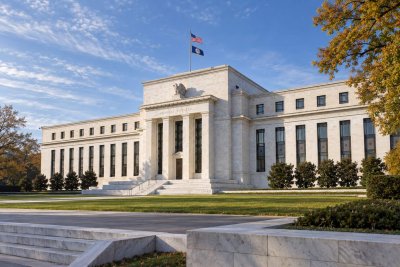
The Federal Reserve is set to announce its interest rate decision on Wednesday at 2:00 PM EDT. Futures markets imply a 71% probability that rates will remain unchanged, with a 29% chance of a 25-basis-point hike.
Major tech earnings are also on deck: Meta Platforms (META) and Microsoft (MSFT) report after Wednesday's close, followed by Amazon (AMZN) and Apple (AAPL) on Thursday. Investors will scrutinize capital expenditure and cash flow figures to assess whether the rotation out of tech will persist.
Analysts project S&P 500 second-quarter earnings will climb 39% year-over-year, with much of that growth tied to artificial intelligence-related companies. Seagate's strong after-hours recovery demonstrates that investors still value tangible AI demand, but the broader market is now demanding evidence.
Risks Remain
Key risks include an unexpected Fed rate hike that could push yields higher and pressure high-valuation stocks. If Big Tech delivers poor cash returns, the semiconductor selloff could deepen. Another oil shock could also threaten the consumer-driven gains seen on Tuesday.