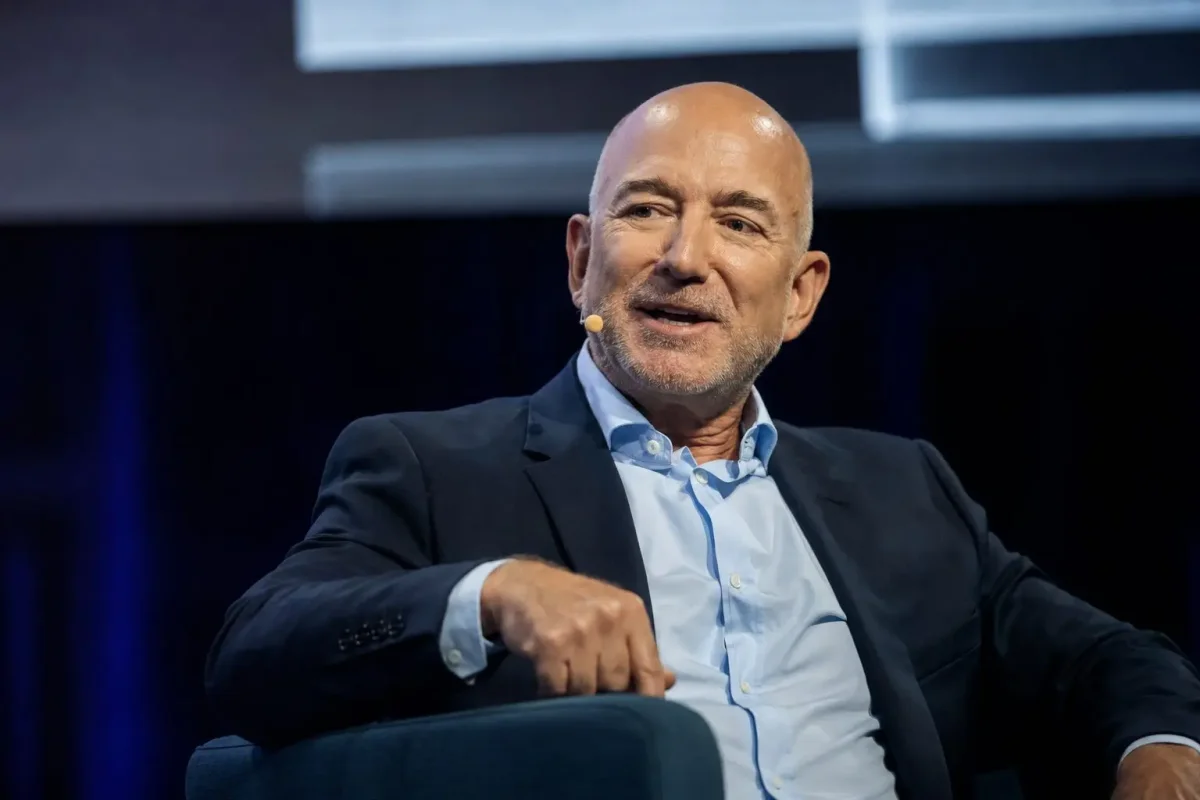
Jeff Bezos, the founder of Amazon (AMZN) and Blue Origin, has once again sparked a national conversation on tax policy by advocating for the elimination of federal income taxes for the bottom 50% of U.S. earners. The proposal, initially floated on CNBC's "Squawk Box" on May 20, gained renewed attention on Monday after Investopedia highlighted its potential impact on middle-income households.
Understanding the Proposal
Bezos argued that the lower half of American taxpayers already contribute a minimal share of total income tax revenue. "I think it should be zero," he stated, suggesting that this segment should be exempt from federal income tax entirely. According to the Tax Foundation, for the 2023 tax year, the lower half of taxpayers—those with adjusted gross incomes below $53,801—paid just 3.3% of total federal individual income taxes, with an average tax rate near 3.7%. This group comprises approximately 76.5 million tax units, each paying an average of $913 in federal income tax.
Who Benefits Most?
While the proposal appears to target low-income earners, tax data reveals that many of the lowest-income households already owe no federal income tax after accounting for deductions and credits. The Tax Policy Center estimates that roughly 40% of households, or about 76 million tax units, will not owe federal income tax in 2025. As a result, analysts at Investopedia suggest that the primary beneficiaries of Bezos's plan would be middle-income families who currently pay taxes but fall below the threshold for significant relief.
Legislative Efforts
The debate has gained traction in Congress, where Democrats have introduced their own version of tax relief. Representatives Don Beyer and Senator Chris Van Hollen have proposed the Working Americans' Tax Cut Act, which would eliminate federal income taxes for single filers earning under $46,000, heads of household under $64,400, and joint filers under $92,000. The bill also includes phased relief for those just above these income levels. According to the Yale Budget Lab, this tax cut would cost approximately $1.6 trillion over ten years, funded by a new surtax on high earners.
Bezos's Stance and Broader Implications
Bezos has not endorsed the Democratic bill or indicated a willingness to pay higher taxes to fund his proposal. On CNBC, he emphasized what he called a "spending problem" in the United States, rather than a revenue issue. His remarks come amid ongoing discussions about wealth inequality, wages, and Amazon's labor practices. A recent Guardian interview with former Amazon workers revisited the 2022 Staten Island union victory and the activism of labor leader Chris Smalls, keeping Bezos in the spotlight on tax policy and corporate responsibility.
Market and Economic Context
The proposal arrives at a time when the U.S. economy faces inflationary pressures and debates over fiscal policy. Proponents argue that reducing the tax burden on lower and middle-income households could stimulate consumer spending, a key driver of economic growth. Critics, however, warn that such a plan could exacerbate the federal deficit unless offset by spending cuts or revenue increases elsewhere. The stock market has shown mixed reactions, with investors closely watching for any potential impact on consumer discretionary spending and corporate earnings.
Looking Ahead
As the tax debate continues, Bezos's proposal is likely to influence discussions ahead of the 2026 midterm elections. Lawmakers will need to balance the desire for tax relief with concerns about fiscal sustainability. For now, the idea of zero federal income tax for half of U.S. earners remains a provocative talking point, with significant implications for households, businesses, and the broader economy.