Shares of BioXcel Therapeutics (NASDAQ: BTAI) suffered a catastrophic decline on Friday, closing at $0.1814, a drop of 74.76% on heavy volume of 58.56 million shares. The plunge came after the company filed for Chapter 11 bankruptcy protection, a move that underscored the stark disconnect between the value of its assets and the worth of its common equity.
Teva's Stalking-Horse Bid
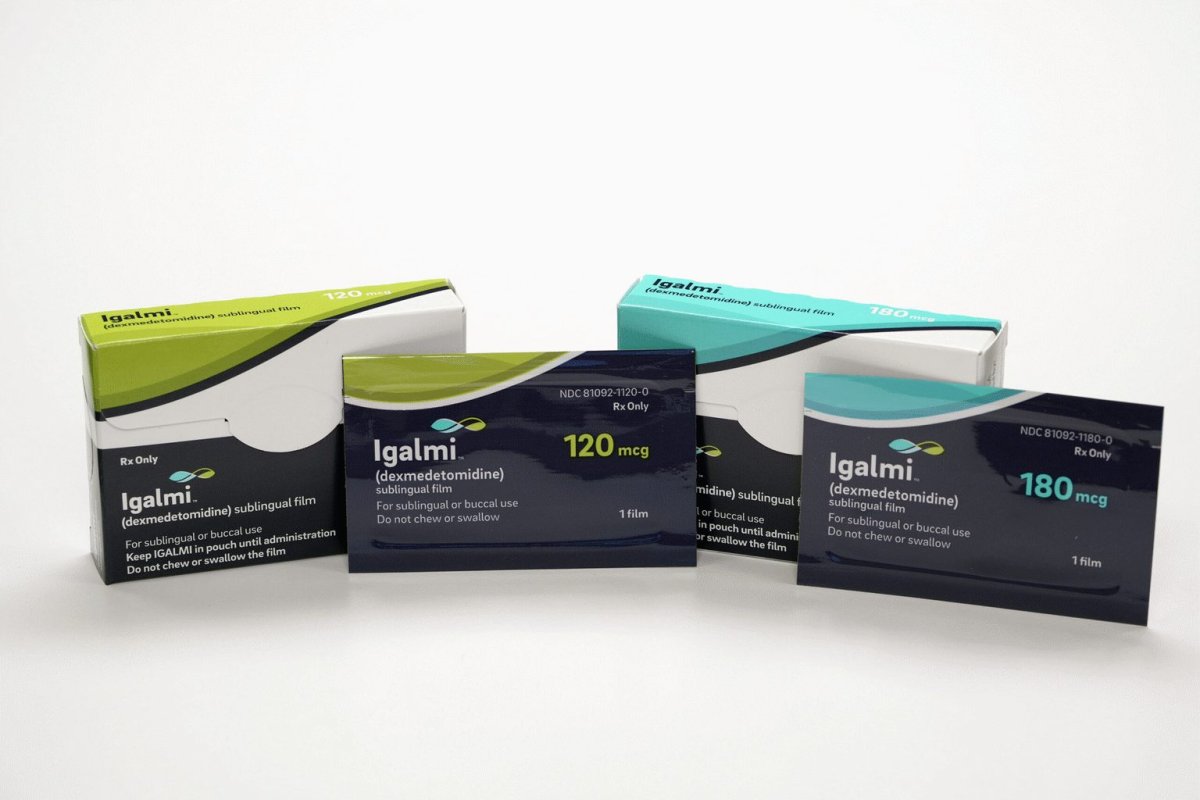
Teva Pharmaceutical Industries (NYSE: TEVA) has emerged as the stalking-horse bidder, offering $57.5 million in cash upfront for substantially all of BioXcel's operating assets, including the commercial drug IGALMI and worldwide rights related to its pending at-home indication. The bid also includes up to $67.5 million in contingent development milestone payments, bringing the maximum nominal consideration to $125 million.
However, the market's reaction reveals that these proceeds are likely to be consumed by the bankruptcy process. With BioXcel's market capitalization now hovering around $5.5 million, Teva's upfront bid represents roughly 10.5 times the equity value, yet shareholders are unlikely to see any recovery given the priority of claims in the Chapter 11 waterfall.
Chapter 11 Financing Structure
The debtor-in-possession (DIP) financing package provides $19 million in new money, split into two $9.5 million tranches, and allows up to $58.25 million of existing secured obligations to be rolled up into super-priority claims. These layers of financing sit ahead of common equity in the reorganization, effectively wiping out shareholder value.
BioXcel's financials paint a grim picture. As of the first quarter, the company held just $17.2 million in cash and restricted cash, while reporting a net loss of $12.7 million. IGALMI generated only $206,000 in revenue during the quarter, against $283,000 in cost of goods sold and $10.2 million in operating expenses, highlighting the drug's limited commercial traction.
Strategic Alternatives and Court Process
The bankruptcy filing follows an extensive review of strategic alternatives. CEO Vimal Mehta stated that the Chapter 11 process provides "a clear framework to pursue a value-maximizing transaction." The court-supervised sale remains open to higher offers, and BioXcel has indicated that IGALMI will continue to be commercially available during the proceedings.
The next major catalyst is the November 14, 2026, FDA action date for the at-home use of IGALMI in acute agitation associated with bipolar disorders or schizophrenia. If approved, the drug could see expanded usage, but the company's ability to capitalize on that approval is now severely constrained by its financial distress.
Investor Implications and Risks
The 74.76% decline reflects the market's assessment of residual value after accounting for DIP financing, creditor claims, court costs, and execution risks. A rival bidder may emerge, but there is no guarantee, and milestone payments may never materialize. Even if a higher bid surfaces, common shareholders are last in line and may receive nothing.
For investors, this episode serves as a stark reminder of the risks inherent in biotech investing, particularly when a company's cash burn outpaces its revenue generation. The gap between asset value and equity value is a fundamental concept that bankruptcy proceedings make painfully clear.
As the sale process unfolds, all eyes will be on whether Teva's bid is the final word or if other suitors step forward. For now, BioXcel's stock is trading as a near-worthless security, with the company's future hinging on the court's approval and the outcome of the FDA review.