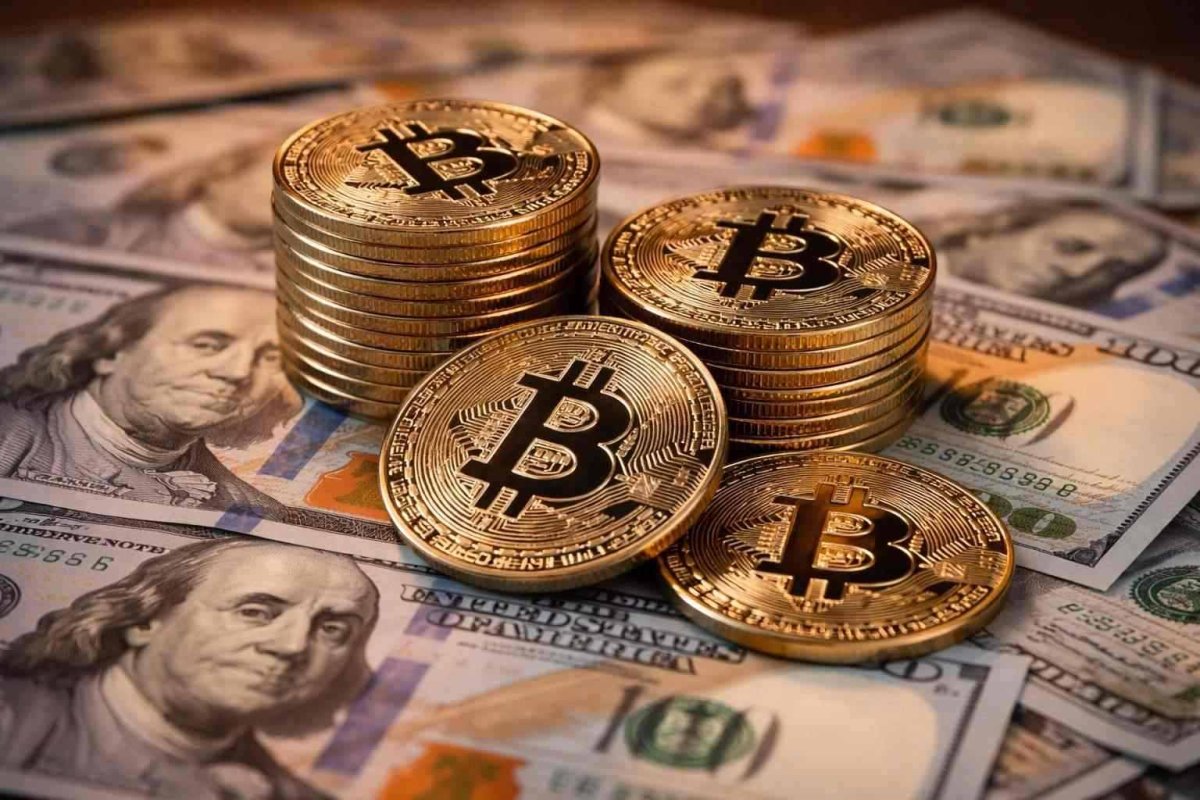
Bitcoin staged a significant rally on Tuesday, breaking back above the $75,000 threshold to reach its highest price point in approximately one month. The leading cryptocurrency erased losses sustained over the weekend, trading near $75,445 by mid-morning Eastern Time, a gain of roughly 4.3% for the session.
This move represents a notable shift from a period of relative stagnation. Analysts suggest that a sustained hold above the $75,000 level could signal the potential for a more durable breakout rather than a temporary spike. The rally was supported by a combination of renewed institutional interest and a broader improvement in risk sentiment across financial markets.
Macroeconomic Tailwinds and Geopolitical Watch
A key factor behind the improved market mood was a decline in oil prices. Brent crude futures dipped below $97 per barrel following reports that U.S. and Iranian delegations might reconvene for talks in Islamabad this week. This development eased immediate fears of escalating Middle East tensions, which had previously sent oil soaring past $100 and stoked inflation concerns. The U.S. dollar also softened, providing a tailwind for dollar-denominated assets like bitcoin.
Market strategists, however, urged caution. "Markets were trading hope, not resolution," noted Charu Chanana, chief investment strategist at Saxo. The situation remains fluid, and any breakdown in diplomatic efforts could quickly reverse the positive momentum. The rate environment remains a critical watchpoint, as Federal Reserve policy is heavily influenced by inflation trends, which are in turn affected by energy costs. Chicago Fed President Austan Goolsbee indicated that persistently high oil prices could potentially delay interest rate cuts until 2027.
Institutional Activity Accelerates
The crypto investment landscape saw robust activity. Data from CoinShares revealed that bitcoin investment products attracted $871 million in net inflows last week. Concurrently, short-bitcoin products, which gain value when the cryptocurrency's price falls, saw inflows of $20.2 million, their largest weekly intake since November 2024.
Major financial institutions are deepening their involvement. Morgan Stanley's Bitcoin Trust, which launched on April 8, is structured as an exchange-traded product tracking bitcoin's price. Separately, Goldman Sachs filed paperwork on Tuesday outlining its intention to launch a Bitcoin Premium Income ETF, designed to generate yield while maintaining exposure to the digital asset.
Corporate buying also provided support. A filing on Monday disclosed that a company identified as Strategy acquired an additional 13,927 bitcoins, worth approximately $1.0 billion, at an average price of $71,902 between April 6 and April 12. This purchase increased its total holdings to 780,897 coins.
Broader Crypto Market and Cautionary Notes
The positive movement extended beyond bitcoin. Ether maintained its position above $2,300, trading around $2,366. Publicly traded companies with significant crypto exposure, such as Coinbase (COIN) and Robinhood (HOOD), also posted gains on Tuesday.
Some analysts pointed to tentative signs of stabilization after a prolonged downtrend. Joel Kruger, a markets strategist at LMAX Group, observed "signs of basing" but emphasized that the nascent recovery needs to prove its durability before a definitive market bottom can be confirmed.
Despite the day's rally, bitcoin remains far from its all-time high of $125,835.92 reached in October. The asset subsequently plunged to a low of $63,295.74 by February 5, part of a broader crypto market contraction that erased nearly $2 trillion in value. Tuesday's advance, while meaningful, represents only a partial recovery from those depths.
Investors are advised to monitor incoming economic data closely. U.S. producer prices rose 0.5% in March, marking the quickest annual increase in three years, albeit slightly below economist forecasts. As Phillip Streible, chief market strategist at Blue Line Futures, noted, "It's a very headline-driven market. All eyes are on the price of crude oil because crude oil is going to direct inflation and that is going to direct Federal Reserve policy." The interplay between geopolitics, inflation, and central bank policy will likely continue to dictate near-term direction for digital assets.