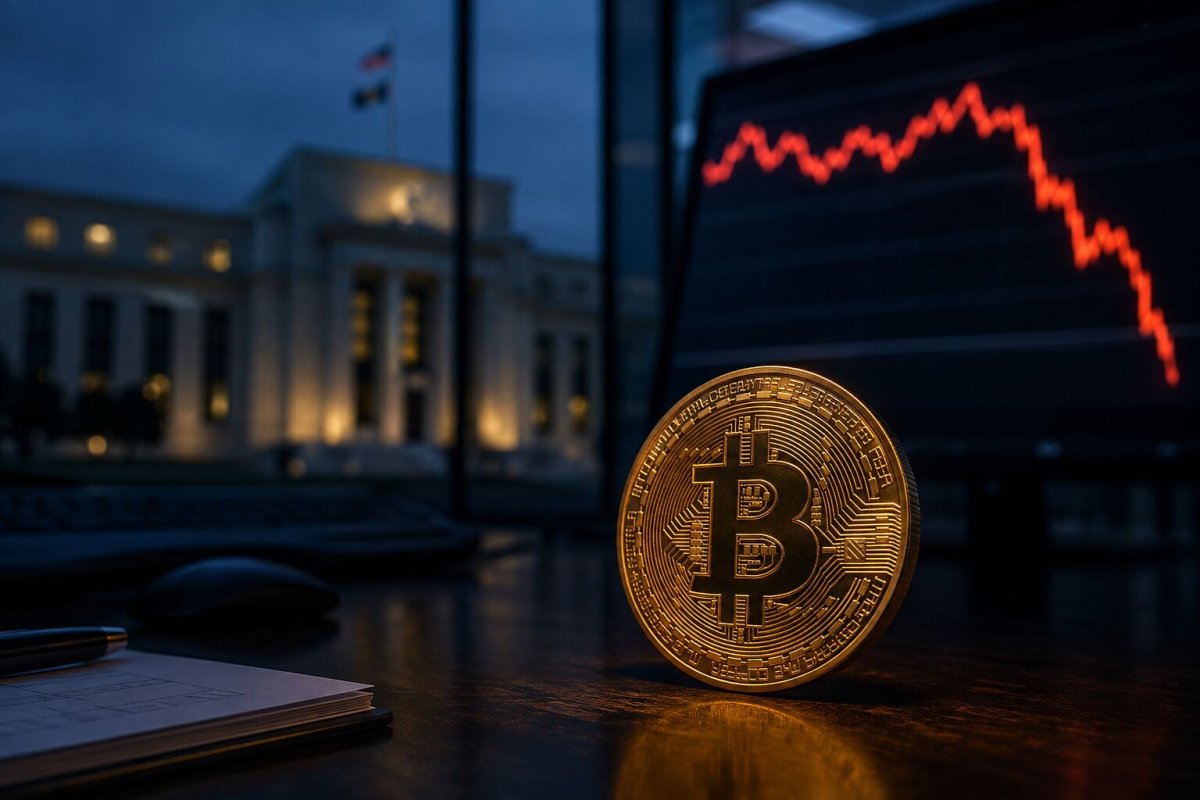
Bitcoin (BTC-USD) traded near $79,615 on Friday evening, erasing its recent climb above $80,000 in a rapid five-minute selloff. The digital asset's price action underscored its growing correlation with Federal Reserve policy expectations, as the latest macroeconomic data reshaped the outlook for interest rates.
The token slipped about 2% over the past 24 hours, according to Coinbase data. After reaching an overnight high of $81,438, it plunged to a low of $78,626 following the release of the U.S. jobs report. Although buyers managed to recoup some losses, they failed to reclaim the psychologically significant $80,000 level, leaving the market vulnerable during the weekend's thinner liquidity.
Jobs Report Triggers Sharp Reversal
The catalyst came from Washington, not the blockchain. The Bureau of Labor Statistics reported that U.S. employers added 162,000 jobs in August, far exceeding the consensus estimate of 53,000. Unemployment held steady at 4.1%, while average hourly earnings rose 0.3% month-over-month and 3.1% year-over-year.
The upside surprise reduced the case for the Fed to keep policy unchanged to protect employment. Two-year Treasury yields climbed to 4.37% by the close, reflecting increased expectations of a rate hike. Fed funds futures now price a 58% chance of a quarter-point increase in September, up from 49.4% on Thursday, according to Decrypt.
Bitcoin's reaction was immediate and sharp. The 8:30 a.m. EDT Coinbase candle opened at $81,336 and closed at $79,820, a 1.86% drop, with volume of 339.6 BTC—more than seven times the previous five-minute candle's volume.
ETF Inflows Provide Support
Despite the selloff, institutional interest remained robust. U.S. spot bitcoin ETFs attracted a net $730.8 million on Thursday, led by BlackRock's IBIT with $454 million in inflows. Fidelity's FBTC added $74.4 million, while ARKB took in $137.7 million. Friday's flow data was not yet available at publication time.
This ETF demand had helped push bitcoin above $80,000 before the payrolls release. However, the macro surprise overwhelmed that support. The next breakout will likely require either another wave of spot buying or a softer inflation signal—or both.
Key Levels to Watch
Market participants are now focusing on a range between $77,000 and $81,000 over the next ten days, according to Paul Howard, senior director at crypto trading firm Wincent. He noted that weekend liquidity is thinner, which could exacerbate moves in either direction.
Key price levels include $82,240, Friday's four-month high; $81,438, the highest Coinbase trade in the measured 24-hour window; $80,000, the round-number level lost after payrolls; $78,626, Friday's low; and $77,000, a support area watched by strategists.
Ether (ETH-USD) also declined about 2.1% to near $2,456, mirroring bitcoin's move and indicating a market-wide rate trade rather than a bitcoin-specific technical failure. Privacy coins were a notable exception, with Zcash still trading higher.
Inflation Data Next
The focus now shifts to the upcoming inflation reports. Producer price data for August is due Thursday, followed by the consumer price index on Friday at 8:30 a.m. EDT. The Federal Reserve's policy meeting is scheduled for September 15-16, and Governor Christopher Waller has already described the inflation print as central to his decision.
Waller's comments on Thursday had boosted sentiment when he suggested that improving inflation could justify holding rates steady. However, he also warned that a hot inflation reading could prompt a rate hike. Friday's jobs report did not settle that question but removed one obstacle to tighter policy.
For now, bitcoin remains a round-the-clock wager on the Fed. A reclaim of $80,000 would signal that spot demand can absorb tighter-rate expectations. Failure would keep the market exposed to thinner weekend liquidity before next Friday's CPI data.