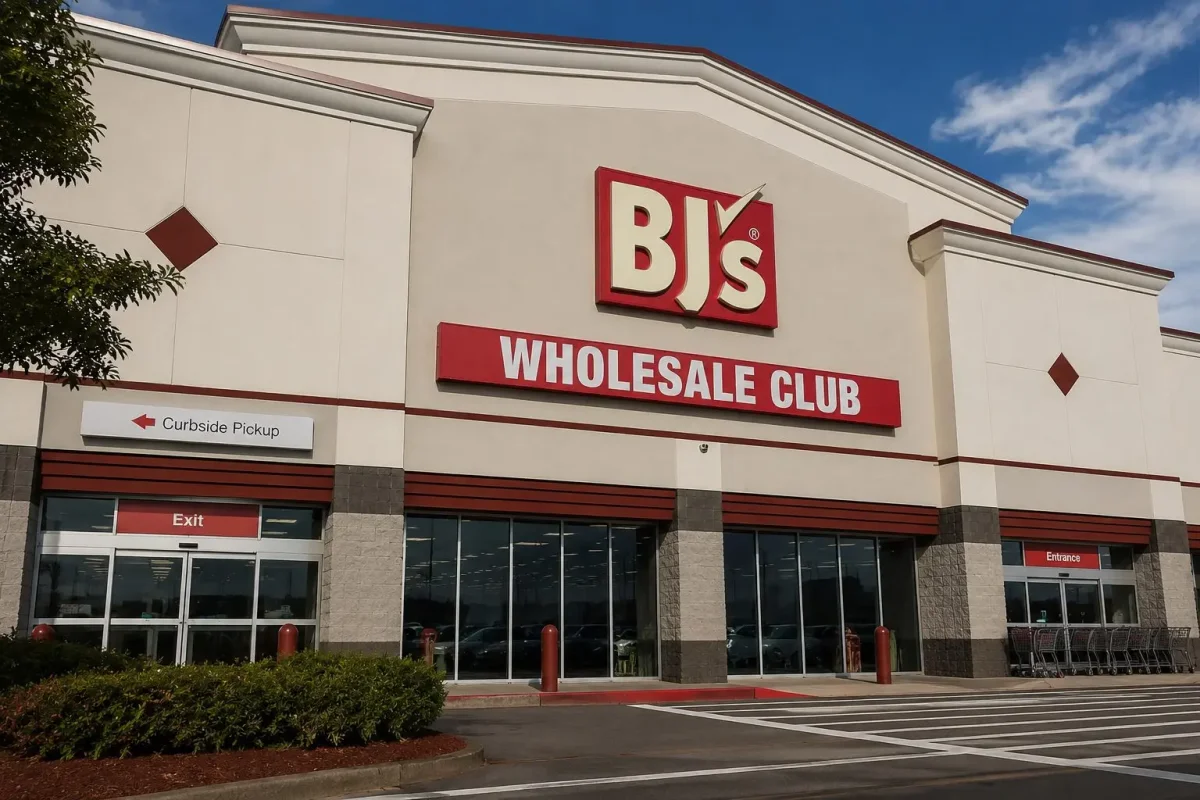
Shares of BJ's Wholesale Club Holdings experienced a sharp decline on Friday, falling more than 8% to around $86 in early afternoon trading. The drop came even as the membership warehouse chain reported quarterly earnings that exceeded Wall Street expectations, with investors instead focusing on sluggish growth in core comparable sales excluding gasoline.
Quarterly Performance Details
For the fiscal first quarter ended May 2, total revenue climbed 9.9% to $5.66 billion, surpassing the $5.44 billion consensus estimate cited by the Wall Street Journal. Net income, however, slipped 4.7% to $142.7 million, or $1.10 per diluted share. On an adjusted basis, earnings per share came in at $1.03, beating analyst projections.
Membership fee income, a key profitability driver for warehouse clubs, rose 9.9% to $132.4 million. Comparable club sales increased 6.3% overall, but when gasoline sales were excluded, the figure was just 1.5%—below the 1.6% forecast reported by MarketWatch.
Investor Concerns
The market reaction underscored a growing concern among investors that BJ's is being evaluated on more than just foot traffic. While gasoline sales help draw members to its lots, the stock movement indicated that stakeholders were looking for clearer evidence that those visits translate into larger in-club spending. The 1.5% core comparable sales growth missed expectations, highlighting a disconnect between traffic and basket size.
MarketWatch noted that gasoline drove traffic without producing the broader in-club spending lift investors wanted, drawing an unfavorable contrast with Walmart, where fuel-linked members tend to spend more across the business.
Management Guidance
Chief Executive Bob Eddy stated that BJ's value proposition "continued to resonate" with consumers. Meanwhile, Chief Financial Officer Laura Felice confirmed that fiscal 2026 guidance remains "unchanged." The company maintained its outlook for adjusted earnings of $4.40 to $4.60 per share and comparable sales excluding gasoline growth of 2% to 3%.
Competitive Landscape
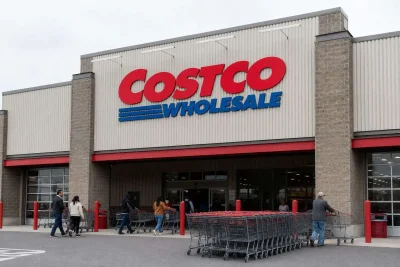
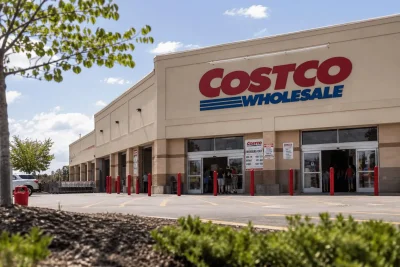
BJ's operates in a narrow but fiercely competitive segment of retail. In its latest annual filing, the company identified Costco Wholesale and Walmart's Sam's Club as its primary warehouse-club rivals. The filing emphasized that pricing is a key competitive factor, with larger competitors possessing greater financial and marketing resources.
Positive Indicators
Despite the market's negative reaction, there were some encouraging signs. Digitally enabled comparable sales rose 28%, reflecting strong growth in e-commerce. During the quarter, BJ's opened one new club and six gas stations, expanding its footprint. The company also repurchased 2.1 million shares for approximately $206.6 million, leaving about $545 million available under its buyback program.
Outlook and Risks
The downside scenario for BJ's is clear: if gasoline continues to prop up headline sales figures while merchandise demand remains modest, the company could face a less attractive sales mix. This comes at a time when BJ's is investing in new clubs, labor, occupancy, and distribution, leaving less room for error against well-capitalized rivals like Costco and Sam's Club.
The stock's decline occurred during a regular NYSE trading session ahead of the Memorial Day weekend. The exchange lists Monday, May 25, as a 2026 market holiday. The S&P 500 was up 0.6% in early afternoon trading, highlighting the stock-specific nature of BJ's selloff.