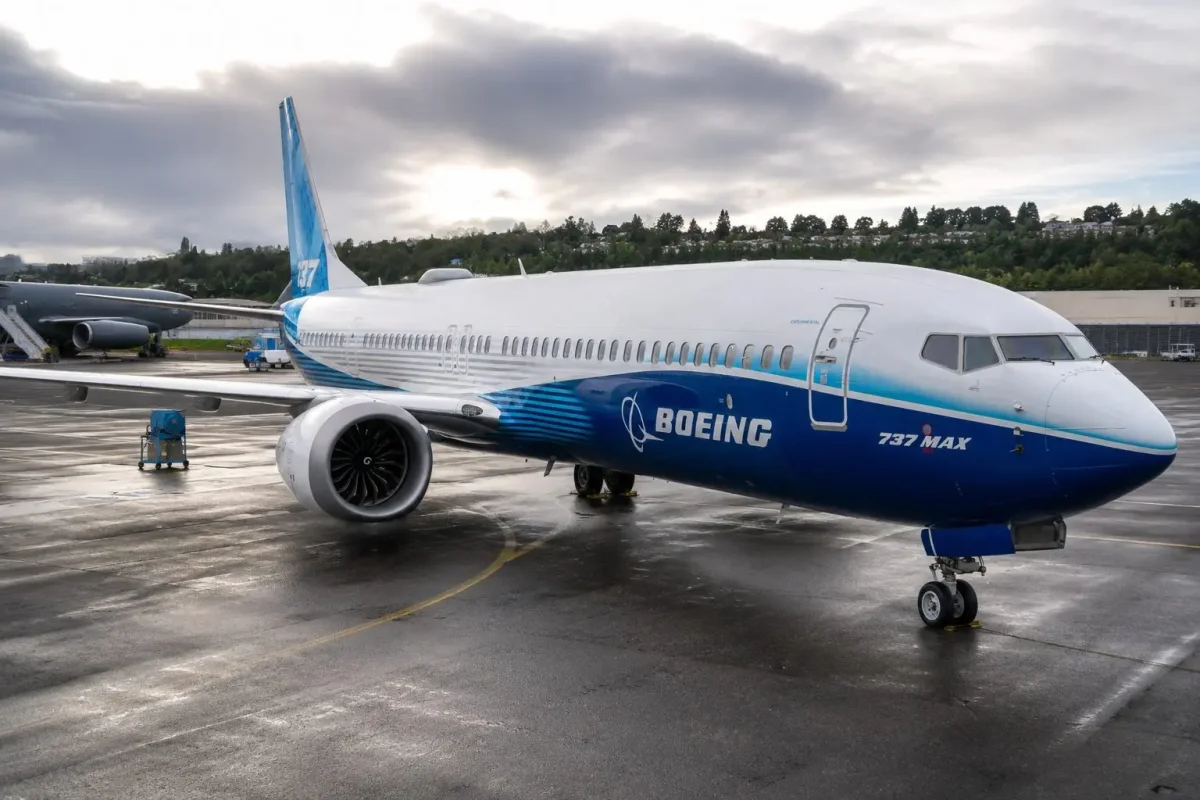
Boeing's (BA) 737 MAX 7 and MAX 10 aircraft are approaching the final stages of certification from U.S. and European regulators, officials announced on June 17, 2026. The remaining work is largely focused on documentation, signaling a potential end to prolonged delays that have hindered Boeing's recovery and affected key airline customers.
Regulatory Progress
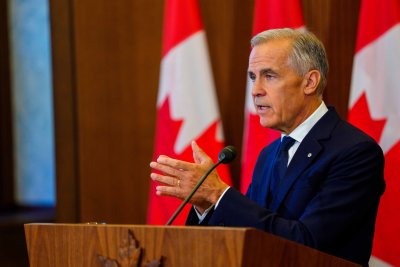
FAA Deputy Administrator Chris Rocheleau stated that the certification process in the U.S. is nearly complete, describing the remaining tasks as 'dotting i's and crossing t's.' In Europe, EASA Executive Director Florian Guillermet confirmed that approving the MAX 10 is a top priority, with regulators expecting to finalize the process within 'a few weeks.' The FAA has accelerated its timeline from earlier projections, which anticipated MAX 7 certification by summer 2026 and MAX 10 by year-end.
Impact on Boeing and Airlines
Certification is pivotal for Boeing's cash flow recovery, as the company seeks to ramp up production following years of quality issues and heightened regulatory scrutiny. The MAX 7 is central to Southwest Airlines' (LUV) fleet strategy, while the larger MAX 10 targets airlines like Gol (GOL) that need higher-capacity aircraft for busy routes. Boeing shares rose by $2.72 to $230.21 on the news, while Southwest added $0.49 to $47.92.
Technical Hurdle: Engine Anti-Ice System
The primary technical challenge has been an engine anti-ice system that can overheat if operated for more than five minutes in dry air, potentially causing damage to the engine inlet. The FAA addressed this in 2023 by mandating updates to flight manuals and minimum equipment lists. Boeing has worked to resolve this issue, which has been a key factor in the certification delays.
Airline Preparedness
Southwest Airlines expects the MAX 7 to begin revenue flights in 2027, with Chief Operating Officer Andrew Watterson noting that the airline requires approximately six months post-certification to update operating specifications and manuals. He emphasized that the delay has not disrupted routes but has created a mismatch in fleet capacity, with too many larger jets and not enough smaller aircraft for lighter demand. Watterson confirmed that Southwest will remain with the MAX family and will not introduce a second fleet type to avoid increased risk.
Market Context and Production Goals
The MAX 10 is a key competitor to the Airbus A321neo, with over 1,200 units in Boeing's backlog, according to Cirium data. Boeing CEO Kelly Ortberg recently indicated the company is exploring the possibility of increasing 737 MAX production to 70 jets per month, surpassing its current target of 63. Airbus aims to produce 70 to 75 A320neo-family jets monthly by the end of 2027. Brazil's ANAC is aligned with the FAA process, and its chief, Tiago Faierstein, expects FAA certification for the MAX 10 this year, with swift approval from Brazil. He noted that Gol 'really needs these aircraft.'
Remaining Risks
Despite the progress, certification does not guarantee immediate deliveries. Boeing must complete all documentation and ensure no further technical issues arise. Airlines also need to perform their own induction work. The MAX 10 enters a market where Airbus has gained ground during Boeing's delays. Scott Hamilton, principal at Leeham Company, cautioned earlier this year: 'It's progress, but until the MAX 10 is certified, it's not.'